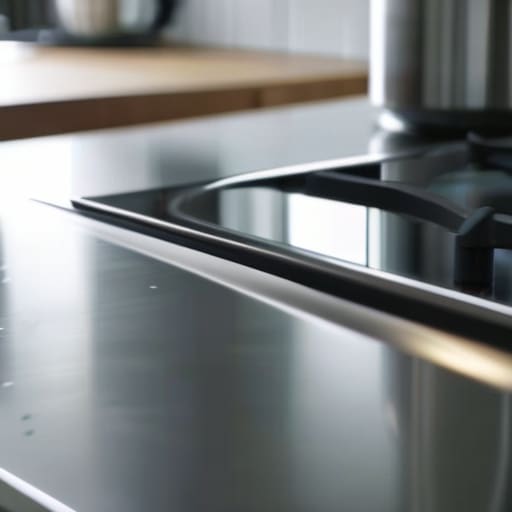
How to Clean Stainless Steel Without Streaks
I was standing in my kitchen last Tuesday, staring at a constellation of stubborn, greasy fingerprints on my fridge, feeling that familiar surge of frustration. I had just spent twenty minutes scrubbing with a heavy-duty, chemical-laden spray, only to realize I’d actually made the streaks worse. It’s a common trap: we think more aggressive chemicals equal a deeper clean, but when it comes to learning how to clean stainless steel, the truth is actually the exact opposite. Often, the most effective way to restore that mirror-like finish is to embrace simplicity rather than reaching for the harshest toxins in the cabinet.
In this guide, I’m stripping away the marketing hype to share my favorite low-impact, high-shine methods. We’re going to explore how you can achieve a professional-grade glow using basic pantry staples that are as kind to your lungs as they are to the planet. From mastering the perfect grain direction to creating my go-to DIY polishing spray, you’ll learn exactly how to clean stainless steel without compromising your commitment to a sustainable home. Let’s get your kitchen sparkling, the eco-chic way.
Table of Contents
- Step-by-Step Instructions
- Mastering the Grain Cleaning Grain Direction Stainless Steel Gently
- The Natural Ritual Cleaning Stainless Steel With Vinegar and Oil
- Pro-Tips for a Lasting, Eco-Friendly Luster
- Quick Wins for a Sustainable Shine
- [Reflecting on the Ritual]
- Finding Your Sustainable Shine
- Frequently Asked Questions
Guide Overview
Tools & Supplies
- Microfiber cloth for wiping and buffing
- Soft sponge for scrubbing light residue
- Mild dish soap, 1 bottle
- Warm water, 1 bowl
- White vinegar, 1 small bottle
- Olive oil or mineral oil, 1 small bottle
Step-by-Step Instructions
- 1. First things first, let’s identify the “grain” of your stainless steel. Just like the wood in a rustic Maine cottage, most metal surfaces have a subtle direction to their finish. Gently run your finger across the surface to see which way the microscopic lines run. Always wipe in the direction of the grain, because going against it can actually trap grime and cause tiny, permanent scratches that dull that beautiful luster we’re aiming for.
- 2. Grab a soft, reusable cloth—I personally love using old cotton t-shirts or even some microfiber cloths that I’ve washed without synthetic fabric softeners. Avoid those abrasive scouring pads at all costs; they are the natural enemy of a polished finish. You want to be gentle, treating your appliances with the same respect you’d give a delicate piece of sea glass.
- 3. Now, let’s ditch the heavy-duty chemical sprays that fill your home with synthetic fragrances. Instead, mix a simple solution of warm water and a few drops of eco-friendly, biodegradable dish soap. This is your go-to cleaning base for everyday smudges, fingerprints, and those pesky water spots that seem to appear out of nowhere.
- 4. For those stubborn, baked-on grease spots that refuse to budge, it’s time to bring out the secret weapon: white vinegar. Dampen a cloth with straight white vinegar and rub the affected area in circular motions, following the grain. The acidity is incredibly effective at cutting through oil and mineral buildup without leaving any toxic residue behind in your kitchen.
- 5. If you’re dealing with particularly tough stains or a dulling effect, a little bit of baking soda can work wonders. Create a thick, gentle paste by mixing baking soda with a tiny bit of water, apply it to the spot, and let it sit for a minute before wiping it away. Just remember to be mindful of the pressure you use; we want to lift the stain, not scrub the metal away.
- 6. Once everything is clean and the grime is gone, it’s time for the most satisfying part: the polish. To get that high-end, showroom glow, take a tiny drop of olive oil or a specialized plant-based stainless steel polish on a fresh, dry cloth. Buff the surface lightly in the direction of the grain until it shines like new, creating a thin protective layer that helps repel future fingerprints.
- 7. Finally, take a moment to do a quick “sanity check” by looking at your work from a few different angles under your kitchen lights. If you see any streaks, just go back in with a dry microfiber cloth for a quick buff. There is something so deeply rewarding about seeing a clean, sparkling kitchen that feels both modern and in harmony with a sustainable lifestyle.
Mastering the Grain Cleaning Grain Direction Stainless Steel Gently

One thing I learned early on—partly from my time working with delicate conservation materials and partly from just observing nature—is that direction matters. When you look closely at your appliances, you’ll notice faint, linear patterns. That’s the grain. Whether you’re removing fingerprints from stainless steel or tackling a stubborn smudge, always wipe in the same direction as those lines. Going against the grain is like trying to brush your hair against the grain; it just creates micro-scratches that dull that beautiful, brushed finish over time.
Think of it as a gentle massage for your kitchen rather than a scrub. If you’re cleaning grain direction stainless steel, use soft microfiber cloths to ensure you aren’t introducing any harsh abrasives. I often find that a light touch is much more effective than brute force. By following the natural flow of the metal, you aren’t just cleaning; you’re actually preserving the integrity of the surface, making it much easier to maintain that sleek, eco-chic look without needing heavy-duty chemicals every single week.
The Natural Ritual Cleaning Stainless Steel With Vinegar and Oil

There’s something incredibly grounding about turning to your pantry rather than a cabinet full of synthetic sprays. For me, cleaning stainless steel with vinegar and oil feels less like a chore and more like a mindful ritual. Start by misting a solution of white vinegar onto the surface; it’s a powerhouse for cutting through grime and effectively removing fingerprints from stainless steel without leaving behind any toxic residue. It’s the kind of simple, rhythmic movement that reminds me of the slow, steady tides back home in Maine—uncomplicated and deeply effective.
Once you’ve wiped away the vinegar with a microfiber cloth, the real magic happens during the finish. Take a tiny drop of olive or coconut oil on a fresh cloth and buff it in, always following that same grain we discussed earlier. This step is essential for polishing stainless steel appliances to a professional glow while creating a subtle, protective barrier. This thin layer of oil is a total game-changer for preventing water spots on steel, ensuring your kitchen stays luminous and bright long after you’ve finished your morning coffee.
Pro-Tips for a Lasting, Eco-Friendly Luster
- Always test a tiny, inconspicuous spot first—even with natural cleaners, it’s better to be safe than sorry when it comes to your favorite appliances.
- Ditch the abrasive sponges and those scratchy steel wool pads; they might feel effective, but they’ll leave micro-scratches that dull your steel over time.
- Keep a microfiber cloth handy for the final buff; it’s the secret weapon for lifting those pesky streaks without needing extra chemicals.
- Don’t let fingerprints become permanent residents—if you catch a smudge early with a damp cloth, it’s much easier to manage than a buildup of oils.
- Think of cleaning as a ritual rather than a chore; taking a moment to polish your surfaces can actually feel quite meditative, much like a quiet walk on the Maine coast.
Quick Wins for a Sustainable Shine
Always work with the grain of the metal to prevent micro-scratches and ensure a streak-free finish that truly lasts.
Ditch the heavy chemicals in favor of pantry staples like vinegar and olive oil; they’re gentler on your home and much kinder to our waterways.
Consistency is key—a quick, intentional wipe-down with eco-friendly tools prevents grime buildup and keeps your kitchen looking effortlessly chic.
[Reflecting on the Ritual]
“Cleaning your kitchen isn’t just a chore; it’s an opportunity to slow down and care for the tools that nourish us, proving that a little bit of natural intention can make even the toughest surfaces shine with a sustainable soul.”
Jordan Mitchell
Finding Your Sustainable Shine

As we wrap up our deep dive into stainless steel care, remember that maintaining that sleek, modern look doesn’t require a cabinet full of toxic chemicals. Whether you’re carefully following the grain to avoid those pesky micro-scratches or leaning into the classic vinegar and oil ritual for a streak-free finish, the goal is the same: efficiency without compromise. By swapping out harsh, synthetic cleaners for these gentle, plant-based alternatives, you aren’t just keeping your appliances looking brand new; you’re actively reducing the chemical footprint of your household. It’s all about using what you have to achieve a professional-grade glow while staying true to your eco-conscious values.
At the end of the day, these small shifts in our cleaning routines might seem minor, but they are part of a much larger, beautiful mosaic of change. Just like the way the ocean smooths out jagged shards of glass into something luminous and purposeful, our intentional daily choices refine our relationship with the planet. Every time you choose a sustainable method over a quick chemical fix, you are casting a vote for a cleaner, healthier world. Let’s keep finding those clever, resourceful ways to blend modern living with a deep respect for nature. Keep shining, both in your kitchen and in your commitment to the earth.
Frequently Asked Questions
Will using vinegar and oil leave a greasy residue on my appliances if I don't get the ratio just right?
That’s such a great question, and honestly, it’s one I’ve wrestled with myself! If your ratio leans too heavily on the oil, you might end up with a bit of a smudgey, greasy film. The trick is to think of the vinegar as your hardworking cleaner and the oil as the gentle polisher. Just use a tiny amount of oil—a few drops go a long way—to buff it in for that streak-free, eco-chic glow.
Are there any specific eco-friendly cleaners I should avoid that might actually scratch or dull the finish over time?
It’s a great question, and honestly, it’s where a lot of people trip up. Stay far away from anything abrasive—think scouring pads or even those “heavy-duty” powdered cleansers. They might feel effective in the moment, but they’ll leave microscopic scratches that dull that beautiful luster over time. Also, steer clear of bleach; it’s way too harsh and can actually pit the surface. Stick to soft cloths and gentle, plant-based solutions to keep things shining.
How often should I be doing these deep cleans versus just a quick wipe-down to keep everything looking polished?
Think of it like tending to a garden; consistency is key, but you don’t need to replant every day. For that daily glow, a quick wipe with a damp, microfiber cloth keeps fingerprints at bay. However, I’d recommend a proper deep clean—using our vinegar and oil ritual—about once a month. This prevents buildup and keeps the metal truly nourished, ensuring your kitchen stays as radiant as a sunlit Maine coastline.
