
How to Plan Your Day the Night Before
I remember sitting on my porch back in Maine, watching the tide pull away from the shore, feeling completely overwhelmed by a digital to-do list that felt more like a heavy anchor than a guide. We’ve been sold this lie that mastering how to plan your day requires a complex ecosystem of expensive apps, color-coded planners, and a level of hyper-productivity that feels entirely inhuman. It’s exhausting to feel like you’re failing at life just because you can’t keep up with a rigid, soul-crushing schedule that leaves zero room for the spontaneous beauty of the real world.
I’m not here to sell you on a new productivity cult or a complicated digital workflow. Instead, I want to share a more rhythmic, intentional approach—one that blends practical efficiency with the grace to breathe. We’re going to explore how to build a daily structure that actually serves your well-being and your environmental values, rather than draining them. I promise to give you honest, experience-based strategies to help you reclaim your time, turning your daily chaos into a purposeful, sustainable flow that feels as natural as the changing tides.
Table of Contents
Mastering Morning Routine for Success and Serenity

I’ve always found that the way we greet the sunrise sets the tone for our entire relationship with the world. For me, it isn’t about a frantic race against the clock, but rather about finding a gentle cadence. Instead of reaching for my phone first thing, I try to cultivate a morning routine for success that prioritizes stillness—perhaps a few minutes tending to my bees or simply watching the light shift through the window. When we start our day with intention rather than reaction, we create a buffer of calm that carries us through even the most chaotic afternoons.
To make this stick, I’ve moved away from rigid checklists and toward more fluid daily planner methods that allow for spontaneity. It’s about integrating small, sustainable habits—like prepping a reusable coffee cup or mindful stretching—that act as natural productivity hacks for daily routine. By weaving these tiny moments of care into your morning, you aren’t just checking boxes; you are building a foundation of serenity that makes the rest of your scheduled tasks feel less like chores and more like a natural extension of your purpose.
Effective Daily Planner Methods for a Mindful Life
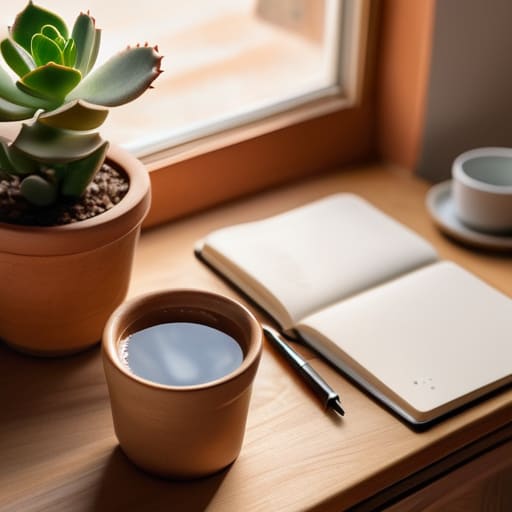
Once you’ve mastered that early morning stillness, the next step is deciding how to actually capture your intentions on paper—or screen. There isn’t a one-size-fits-all approach, but finding the right daily planner methods is deeply personal. I often find myself oscillating between a classic, tactile paper journal—which feels much more grounded and connected to the present moment—and a streamlined digital app when I’m on the move. The goal isn’t just to list chores; it’s to create a visual map that honors your energy levels.
If you find yourself feeling overwhelmed by a mounting to-do list, I highly recommend experimenting with different time management techniques to find your flow. One of my favorite ways of how to prioritize tasks is the “Rule of Three”: choosing just three meaningful objectives for the day. This prevents that frantic feeling of chasing endless checkboxes and instead allows you to focus on what truly aligns with your values. By narrowing your scope, you aren’t just being productive; you’re practicing a form of mental sustainability that protects you from burnout.
Cultivating Your Daily Flow: Five Ways to Align Your Schedule with Intention
- Embrace the Power of Batching: Instead of letting your day be pulled apart by constant digital pings, try grouping similar tasks together—like answering all your emails in one focused block. This mimics the natural rhythms of the world, allowing you to dive deep into creative work without the constant friction of context switching.
- Honor Your Energy Peaks: We aren’t machines, and our energy isn’t a flat line. Pay attention to when you feel most vibrant—perhaps it’s that crisp morning light—and reserve those high-energy windows for your most demanding projects, leaving the lighter, administrative tasks for your afternoon lull.
- Build in “Green Buffers”: We often overschedule ourselves, leaving zero room for the unexpected. I like to leave intentional gaps between tasks; think of them as breathing spaces that allow you to reset, grab a glass of water, or simply step outside for a moment of fresh air before moving to the next thing.
- Practice the Art of the “Top Three”: A massive to-do list can feel overwhelming and counterproductive. Each evening, identify just three essential intentions for the following day. By narrowing your focus, you transform a daunting mountain of tasks into a manageable, meaningful path forward.
- End with a Sunset Reflection: Just as the tide pulls back, your workday needs a graceful conclusion. Spend the last ten minutes of your professional hours reviewing what you achieved and jotting down a few notes for tomorrow. This ritual helps you mentally “close the loop,” allowing you to fully transition into your personal time without the lingering weight of unfinished business.
Cultivating Your Daily Intentionality
View your schedule not as a rigid cage of tasks, but as a flexible rhythm that honors both your personal productivity and your need for moments of stillness.
Prioritize small, sustainable habits—like a mindful morning ritual or a quick digital detox—to ensure your energy remains as resilient as the ecosystems we strive to protect.
Use your planning tools to bridge the gap between your daily to-dos and your larger environmental values, turning even the smallest time management wins into meaningful steps toward a conscious life.
## Finding Your Flow
“Planning your day isn’t about building a rigid cage of tasks, but about sketching a gentle roadmap that leaves room for both intentional progress and the spontaneous beauty of the world around you.”
Jordan Mitchell
Finding Your Flow
As we wrap up this exploration of intentional living, remember that planning your day isn’t about creating a rigid cage of tasks, but rather building a flexible framework that supports your well-being. We’ve looked at how a mindful morning routine can set a serene tone, and how choosing the right planning method—whether it’s a digital tool or a tactile paper journal—allows you to align your actions with your values. By integrating these small, deliberate rhythms, you aren’t just managing your time; you are curating an environment where your productivity and your peace of mind can finally coexist.
Ultimately, the goal is to move through your day with a sense of purpose rather than a sense of urgency. Think of your daily schedule like a piece of sea glass: it might start out rough and jagged, but through consistent, gentle refinement, it becomes something smooth, beautiful, and intentional. Don’t feel pressured to get everything perfect from day one; instead, focus on making small, meaningful adjustments that honor both your personal ambitions and the world around you. Every intentional choice is a step toward a more sustainable life, and I am so excited to see how you make these rhythms your own.
Frequently Asked Questions
How can I stay consistent with my intentional morning routine when my work schedule feels unpredictable or chaotic?
When chaos hits, don’t aim for perfection—aim for presence. If your schedule shifts, pivot to a “micro-routine.” Instead of a full hour, find ten intentional minutes for deep breathing or a quick stretch. Think of it like a tide; even when it’s unpredictable, the rhythm remains. By scaling your habits to fit the moment, you maintain that vital connection to yourself without feeling overwhelmed by the ebb and flow of work.
Are there specific digital tools or apps you recommend that align with a mindful, low-waste lifestyle rather than just adding more screen time?
It’s such a valid concern—the last thing we want is to trade mindful living for mindless scrolling. I personally lean toward “low-friction” tools. I love using Notion for its clean, minimalist aesthetic to organize my eco-projects, or simple, lightweight apps like Forest, which gamifies staying off your phone. My golden rule? Use tech as a compass, not a destination. If an app helps you transition back to the physical world, it’s a win.
How do I balance the need for a structured daily plan with the flexibility to respond to unexpected opportunities or nature's rhythms?
Think of your schedule not as a rigid cage, but as a trellis. A trellis provides the necessary structure for growth, yet it allows the vine to twist and turn toward the sunlight. I like to build “buffer zones”—intentional pockets of white space in my planner. This way, if a sudden opportunity arises or if I simply need to pause and watch the tide change, I’m not breaking my flow; I’m simply following the rhythm.
