
Public Speaking Tips for People Who’d Rather Not
I still remember the salt spray stinging my eyes and the sheer, paralyzing panic rising in my throat during my first big presentation for a local conservation group. I stood there, clutching my notes like a life raft, feeling less like a professional and more like a kid lost in a Maine fog. Most of the generic public speaking tips you find online suggest you should “just be yourself” or “visualize success,” but that’s easy for a guru to say when they aren’t the ones feeling their heart hammer against their ribs like a trapped bird. I realized then that true connection isn’t about polished perfection; it’s about finding your natural rhythm amidst the chaos.
I’m not here to sell you a high-priced seminar or a list of robotic stage presence hacks. Instead, I want to share the grounded, practical strategies I’ve gathered from years of blending digital storytelling with environmental advocacy. We’re going to skip the fluff and focus on how you can approach every presentation with the same intentionality and flow as the tides. Consider this your no-nonsense guide to turning those nervous jitters into a powerful wave of genuine connection.
Table of Contents
- Managing Stage Fright With the Serenity of the Maine Coast
- Speech Preparation Strategies for a Purposeful Intentional Message
- Cultivating Your Voice: 5 Ways to Speak with Authenticity and Flow
- Cultivating Your Voice: Three Ways to Speak with Purpose
- ## Finding Your Natural Resonance
- Finding Your Flow
- Frequently Asked Questions
Managing Stage Fright With the Serenity of the Maine Coast

Whenever the adrenaline starts to spike before a presentation, I find myself mentally drifting back to those quiet mornings on the Maine coast. There’s a specific kind of stillness there—the way the tide rolls in with a rhythmic, predictable grace. I’ve learned that managing stage fright isn’t about fighting the waves of anxiety; it’s about learning to surf them. Instead of viewing your racing heart as a sign of failure, try to reframe it as your body’s way of gathering energy, much like the ocean building momentum before a swell.
To channel that coastal calm, I focus heavily on my physical presence. I think of my body language for presenters as a way of grounding myself, much like a lighthouse standing firm against a storm. If you stand tall and keep your movements intentional rather than frantic, you project a sense of stability that settles the room. By slowing your breath to match that steady, oceanic rhythm, you’ll find it much easier to maintain the vocal variety and projection needed to truly connect with your listeners.
Speech Preparation Strategies for a Purposeful Intentional Message
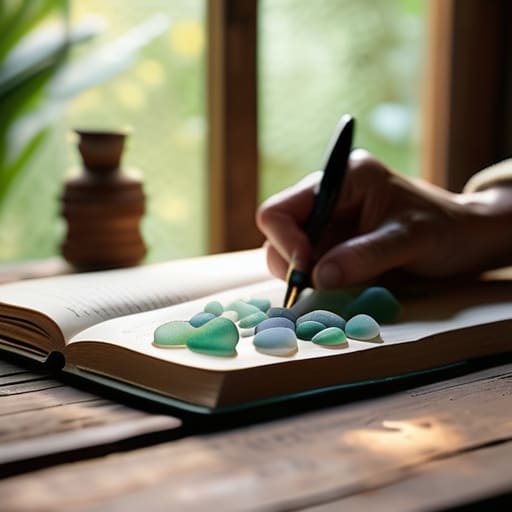
When it comes to crafting your message, think of your preparation like tending to a new garden: it requires patience, intention, and a clear vision of what you want to bloom. Rather than just memorizing a script, focus on developing robust speech preparation strategies that prioritize the heart of your story. I’ve found that when I structure my talks around a central, meaningful purpose—much like how I curate my sea glass collections—the flow becomes much more natural. You aren’t just delivering data; you are weaving a narrative that invites people into your world.
To truly master the art of engaging an audience, you need to look beyond the words on the page and consider the physical energy you bring to the room. This is where subtle body language for presenters becomes your most valuable tool. A relaxed posture and open gestures act as a bridge between your ideas and your listeners, creating a sense of trust and connection. When you prepare with this level of mindfulness, you stop performing and start sharing, turning a standard presentation into a genuine moment of human connection.
Cultivating Your Voice: 5 Ways to Speak with Authenticity and Flow
- Find Your Natural Rhythm: Don’t feel pressured to stick to a rigid, robotic script. Just like the tides, a great speech has its own ebb and flow. Allow yourself moments of silence to let your points breathe, creating a natural cadence that feels more like a conversation and less like a lecture.
- Use Visual Storytelling as Your Anchor: Instead of cluttering your slides with text, think like a digital creator. Use evocative imagery—perhaps a striking photo of a coastline or a piece of weathered sea glass—to anchor your message. Let your visuals support your words, not compete with them, allowing your audience to connect emotionally with your narrative.
- Harness the Power of Intentional Body Language: Your physical presence should reflect the substance of your message. Avoid the “deer in the headlights” stance; instead, ground yourself. Use open gestures that invite connection, much like how we open our hands to gather treasures from the shore, making your presence feel both steady and welcoming.
- Connect Through Shared Values: The most impactful speakers don’t just deliver information; they build bridges. Frame your topic through the lens of shared human experiences or collective goals. When you speak from a place of purpose, you aren’t just talking at an audience—you are inviting them to join you in a meaningful movement.
- Practice Mindful Reframing: When that familiar spike of adrenaline hits, don’t label it as “anxiety.” Reframe it as “energy” or “passion” for your cause. Treat that nervous buzz like the hum of a beehive—it’s a sign of vital, productive life force that can actually fuel a more dynamic and engaging delivery.
Cultivating Your Voice: Three Ways to Speak with Purpose
Treat your preparation like a DIY project; when you build your message with intention and authentic materials, you create something much more resilient than a rehearsed script.
Channel the steady rhythm of the tides to find your flow, allowing your natural presence to guide you through the nerves rather than fighting against them.
Remember that every word is a small, intentional action—focus on the impact of your message rather than the perfection of your delivery to create a real wave of connection.
## Finding Your Natural Resonance
“Don’t view a podium as a barrier, but as a tide coming in; instead of fighting the current of your nerves, learn to ride the energy of your message and let your authentic voice flow with the same effortless intention as the ocean.”
Jordan Mitchell
Finding Your Flow

As we wrap up our journey through the art of public speaking, remember that it’s not about achieving a flawless, sterile performance. It’s about the synergy of everything we’ve discussed: grounding yourself in the calmness of the tide to manage anxiety, and approaching your preparation with the same intentionality I use when curating a new DIY project. By focusing on a purposeful message rather than just a polished delivery, you transform a potentially stressful moment into a meaningful exchange. Whether you are mastering your breath or refining your core narrative, each small step is a building block toward authentic connection.
Ultimately, speaking your truth is a lot like the sea glass I collect on the Maine coast; it might start out jagged and uncertain, but through patience and consistent effort, it becomes something beautifully smooth and resonant. Don’t be afraid of the rough edges in your delivery—they are often where your most genuine human moments live. Step onto that stage with the confidence of someone who knows their voice has value and their message has weight. I truly believe that when we speak with intention, we don’t just share information; we create ripples of change that extend far beyond the room.
Frequently Asked Questions
How can I keep my message authentic and grounded when I feel the pressure to perform for a large audience?
When the spotlight feels heavy, remember that you aren’t there to “perform”—you’re there to share. Think of your message like a piece of sea glass: it’s been shaped by experience and has its own unique, weathered beauty. Instead of chasing perfection, lean into your truth. If you focus on the value you’re providing rather than the eyes watching you, your words will find their natural rhythm and stay rooted in purpose.
Are there ways to use digital tools or visual storytelling to enhance my speech without losing that personal, human connection?
Think of digital tools not as a barrier, but as a canvas for your message. Just like I use sea glass to add texture to a DIY project, use visuals to add depth to your words. Instead of cluttered slides, opt for striking, high-quality imagery that evokes emotion. Use tech to amplify your storytelling, not replace your presence. When the digital elements feel intentional and organic, they actually bridge the gap between your screen and your audience’s hearts.
How do I maintain my energy and "flow" throughout a long presentation without feeling completely drained?
Think of your energy like a tide; it needs moments to ebb so it can flow back in. Instead of trying to power through on pure adrenaline, build “micro-rest” moments into your presentation. Use a quick, grounding breath or a purposeful sip of water to reset. It’s about pacing, not just performing. By treating your stamina like a precious resource, you can maintain that steady, rhythmic connection with your audience from start to finish.
