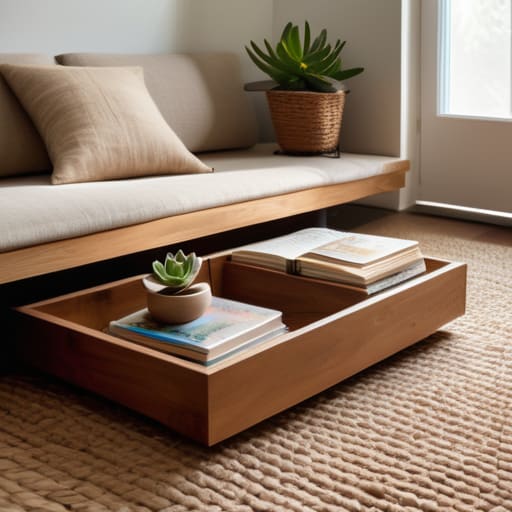
Clever Diy Storage Solutions for Small Homes
Have you ever walked into a big-box home goods store and felt that sudden, overwhelming urge to just give up? You’re surrounded by endless aisles of identical, sterile plastic bins—mass-produced clutter that promises order but actually just fuels a cycle of mindless consumption. It honestly breaks my heart to see so many people thinking they need to buy their way out of a mess, when the truth is that most of those expensive organizers are just more landfill in waiting. We don’t need more plastic; we need diy storage solutions that actually respect the resources they’re made from and the beautiful homes we’re trying to cultivate.
I’m not here to sell you on a lifestyle of perfection, but I am here to show you how to reclaim your space with intention and style. In this guide, I’m stripping away the hype to share the practical, hands-on methods I use to transform forgotten items into functional art. We’re going to explore creative ways to repurpose what you already own, ensuring your home feels like a sanctuary rather than a warehouse. Let’s dive into some honest, resourceful ideas that prove sustainability and organization can go hand in hand.
Table of Contents
- Upcycled Home Organization Projects for a Soulful Sanctuary
- Small Space Decluttering Tips to Restore Your Inner Calm
- Intentional Storage: 5 Ways to Curate Your Space with Purpose
- Small Steps, Big Impact: My Final Thoughts on Intentional Organization
- The Philosophy of Intentional Space
- Creating Space for What Matters
- Frequently Asked Questions
Upcycled Home Organization Projects for a Soulful Sanctuary
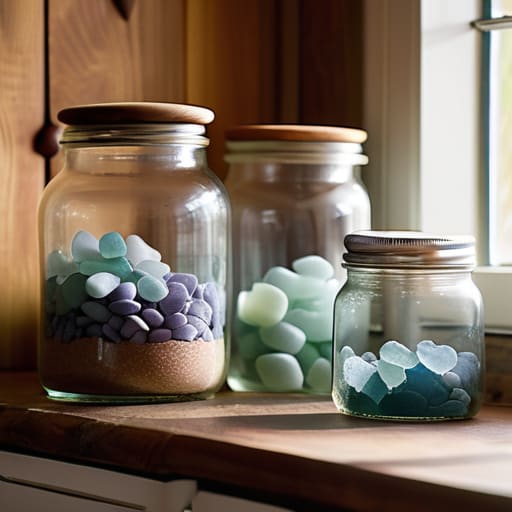
There is something incredibly grounding about breathing new life into objects that others might consider “finished.” I’ve found that the most soulful spaces aren’t filled with store-bought plastic bins, but with items that carry a history. For instance, I love using old, mismatched glass jars—sometimes I even find beautiful pieces of sea glass to glue to the lids—as a way of practicing repurposed container organization in the kitchen or bathroom. It turns a mundane task into a moment of creative connection, transforming your countertop from a cluttered mess into a curated display of intention.
If you’re feeling a bit more ambitious, let’s look toward your wardrobe. Instead of heading to a big-box retailer, try some budget friendly closet organization by using sturdy vintage wooden crates or even decorated shoeboxes to categorize your accessories. By giving these items a second act, you aren’t just tidying up; you’re honoring the resources used to make them. It’s about creating a home that feels deeply personal and thoughtfully composed, proving that sustainability and high-end aesthetics can live beautifully side-by-side.
Small Space Decluttering Tips to Restore Your Inner Calm
When we live in smaller footprints, our physical environment becomes a direct mirror of our mental state. If every surface is crowded with “just in case” items, it’s nearly impossible to find a moment of stillness. I’ve found that the secret to reclaiming your peace isn’t just about throwing things away; it’s about implementing intentional small space decluttering tips that prioritize function without sacrificing your aesthetic. Start by auditing your most high-traffic areas—like your entryway or bedside table—and ask yourself if each item truly serves a purpose or brings you joy.
If you’re feeling overwhelmed by a cramped wardrobe, don’t reach for those expensive plastic organizers just yet. Instead, try some budget friendly closet organization by using sturdy cardboard boxes wrapped in scrap fabric to categorize your accessories. For those of us living in urban apartments where every square inch counts, looking up is often the smartest move. Utilizing vertical storage space savers, such as floating reclaimed wood shelves or hanging organizers, can lift the visual weight off your floor, instantly making your sanctuary feel more expansive and breathable.
Intentional Storage: 5 Ways to Curate Your Space with Purpose
- Let’s breathe new life into those empty glass jars from your pantry; they make the perfect, aesthetic organizers for everything from loose tea to craft supplies, keeping your essentials visible and beautiful.
- Look upward to reclaim your floor space by installing floating shelves made from reclaimed wood, turning your storage needs into a way to showcase your favorite eco-friendly treasures.
- Instead of buying plastic bins, try repurposing sturdy cardboard boxes by wrapping them in scrap fabric or old linen to create chic, textured organizers that feel much more soulful.
- Utilize the often-forgotten vertical space behind doors with hanging organizers, which are absolute lifesavers for keeping your daily essentials within reach without adding to the visual clutter.
- Embrace the “one-in, one-out” philosophy as you design your storage; as you create a new dedicated spot for an item, ensure it’s something that truly serves a purpose or brings you genuine joy.
Small Steps, Big Impact: My Final Thoughts on Intentional Organization
Remember that true organization isn’t about perfection; it’s about creating a space that honors your values and reduces the mental clutter of a consumerist lifestyle.
Don’t be afraid to look at your “trash” through a new lens—a simple glass jar or an old wooden crate can become a beautiful, functional piece of your home’s story.
Start small and stay consistent; transforming your environment into a sustainable sanctuary is a journey of many tiny, intentional victories rather than a single overnight overhaul.
The Philosophy of Intentional Space
“Organizing your home shouldn’t feel like a chore of consumption; it should be a creative act of reclamation, where we breathe new life into forgotten objects to create a sanctuary that honors both our personal peace and the planet.”
Jordan Mitchell
Creating Space for What Matters
As we’ve explored today, organizing your home doesn’t have to mean a trip to a big-box retailer for plastic bins that will eventually end up in a landfill. By embracing upcycled projects to create a soulful sanctuary and utilizing intentional decluttering methods for those tricky small spaces, you are doing much more than just tidying up. You are actively choosing to reimagine the potential of the items already in your life. Whether it’s transforming a vintage glass jar into a chic desktop organizer or finding a clever way to maximize a corner of your apartment, these DIY storage solutions bridge the gap between functional living and environmental stewardship.
At the end of the day, a clutter-free home is really about making room for the things that truly nourish your spirit. When we clear away the physical excess, we create the mental bandwidth to focus on our passions—whether that’s tending to an urban beehive or simply enjoying a quiet morning coffee. Remember, you don’t need to overhaul your entire life overnight to make an impact. Every single repurposed container and every intentional decision to let go of what no longer serves you is a victory for both your well-being and our planet. Let’s keep moving forward, one mindful step at a time, creating spaces that reflect our deepest values.
Frequently Asked Questions
How can I ensure my upcycled storage solutions are actually durable enough for heavy everyday items?
That’s such a practical question—I’ve definitely learned the hard way that a beautiful project is only as good as its structural integrity! When I’m working with upcycled materials, I always prioritize the “bones.” If you’re repurposing glass jars, ensure your shelving is sturdy. For heavier items, I swear by reinforcing cardboard with natural beeswax or using reclaimed wood as a base. Think of it as building for longevity, not just for looks.
Are there specific eco-friendly adhesives or paints I should use to keep my DIY projects non-toxic?
That is such a thoughtful question—it’s the kind of detail that turns a simple craft into a truly mindful practice. To keep your sanctuary truly non-toxic, I always reach for milk paint or low-VOC mineral paints; they offer gorgeous, earthy textures without the chemical headache. For adhesives, skip the heavy synthetics and try natural wheat paste or even eco-friendly wood glues. It’s all about choosing materials that respect both your home and the planet.
What are some stylish ways to organize small, loose items without relying on buying new plastic bins?
Forget those sterile plastic bins; they just add to the clutter we’re trying to escape. Instead, look to your kitchen or your craft drawer. I love using vintage ceramic bowls or even smooth, weathered sea glass jars to corral loose items like jewelry or paperclips. For something a bit more rustic, small wooden crates or even repurposed tin canisters add a layer of texture and soul to your shelves while keeping everything perfectly in its place.
