
Career Advice Every Student Wishes They Heard Sooner
I remember sitting in a cramped university lecture hall, staring at a whiteboard filled with “industry-standard” frameworks that felt about as organic as a plastic bottle on a Maine beach. Everyone was preaching this high-octane, relentless grind, treating professional growth like a sprint rather than a season of cultivation. It felt incredibly hollow, and frankly, most of the generic career advice for students I was hearing back then felt more like a recipe for burnout than a blueprint for a meaningful life. I realized early on that you don’t build a lasting legacy by chasing every shiny trend; you build it by tending to your own unique ecosystem.
I’m not here to sell you on a “hustle harder” mentality or some expensive, polished seminar. Instead, I want to share the unfiltered, experience-based lessons I’ve gathered from navigating the intersection of digital media and environmental consulting. My promise to you is simple: we’re going to skip the fluff and focus on how to build a professional foundation that is both resilient and deeply intentional. We’ll look at how to cultivate skills that actually matter, ensuring your career path feels less like a frantic race and more like a purposeful journey toward something that truly sustains you.
Table of Contents
- Building a Student Resume With Style and Substance
- Mastering Internship Hunting Strategies for Lasting Impact
- Cultivating Your Professional Ecosystem: 5 Ways to Grow with Purpose
- Cultivating Your Career Ecosystem: Small Seeds for Long-Term Growth
- Cultivating Your Professional Roots
- Cultivating Your Future: The Journey Ahead
- Frequently Asked Questions
Building a Student Resume With Style and Substance

Think of building a student resume not as a dry checklist of chores, but as curating a digital ecosystem that tells your unique story. Just like I carefully select pieces of sea glass for a DIY project, you want to choose the experiences that truly reflect your values and capabilities. Instead of just listing courses, focus on how your specific projects or volunteer roles demonstrate your ability to solve real-world problems. It’s about showing the substance behind the title.
As you navigate the transition from college to the workforce, remember that your resume is a living document. Don’t just focus on where you worked; highlight your professional skill development by showcasing the tools and methodologies you’ve mastered along the way. Whether it’s a technical certification or a leadership role in a campus club, every entry should serve as a bridge between your academic foundation and your future aspirations. Aim for a balance of clean, modern aesthetics and deep, meaningful content that proves you aren’t just looking for a job, but for an opportunity to make an impact.
Mastering Internship Hunting Strategies for Lasting Impact
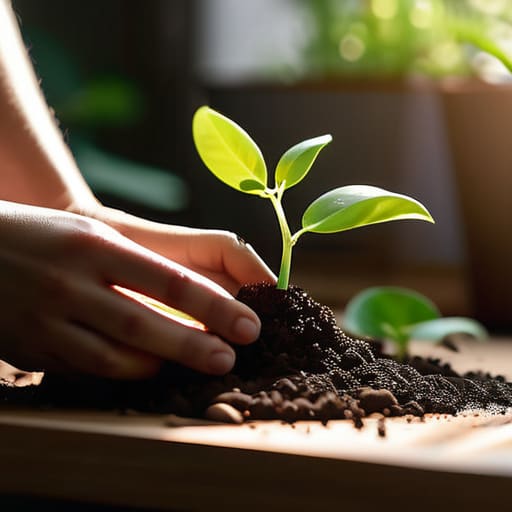
Think of your internship search less like a frantic race and more like tending to a new garden; it requires patience, the right tools, and a bit of strategic planting. While many dive straight into endless scrolling on job boards, the most effective internship hunting strategies involve looking for roles that align with your core values. I always tell my clients that an internship shouldn’t just be a line on a CV; it should be an ecosystem where you can actually grow. Look for organizations that prioritize impact, even if they aren’t household names, because that’s where the most authentic learning happens.
Beyond the application itself, don’t underestimate the power of nurturing genuine connections. For many of us, networking for undergraduates can feel incredibly daunting—almost like stepping into a wild, unfamiliar forest—but it’s really just about finding your tribe. Instead of asking for favors, try asking for stories. Reach out to professionals whose work resonates with you and ask how they navigated their own paths. This approach turns a cold outreach into a meaningful dialogue, laying the groundwork for a career built on substance rather than just survival.
Cultivating Your Professional Ecosystem: 5 Ways to Grow with Purpose
- Treat your network like a coastal garden—it’s not about how many people you know, but how deeply you nurture those connections. Instead of just collecting LinkedIn connections like pebbles on a beach, reach out to mentors with genuine curiosity. A thoughtful question or a sincere thank-you note can plant the seeds for a lifelong professional ecosystem.
- Curate your digital footprint with the same intention you’d use to design a sustainable home. In our digital age, your online presence is your storefront. Ensure your social profiles and personal website reflect your true values and passions, blending your technical skills with the unique stories that make you, you.
- Embrace the “Eco-Chic” approach to skill-building: prioritize quality over sheer volume. Rather than rushing to master every trendy software, focus on developing a core set of versatile, sustainable skills—like critical thinking and digital storytelling—that will remain relevant even as the professional landscape shifts.
- View every setback as a chance to repurpose and refine. Just as I take weathered sea glass and turn it into something beautiful, look at your “failed” interviews or rejected applications as raw material. Analyze what didn’t work, learn the lesson, and use that insight to polish your approach for the next opportunity.
- Seek out roles that align with your internal compass. There is no point in building a career if it doesn’t nourish your soul. When looking at job descriptions, look past the salary and the title; ask yourself if the organization’s mission resonates with your personal commitment to making a positive impact on the world.
Cultivating Your Career Ecosystem: Small Seeds for Long-Term Growth
View your professional development like a coastal garden; it’s not about the sudden harvest, but the consistent, intentional nurturing of your skills and connections that creates a resilient foundation.
Prioritize authenticity over perfection by showcasing your unique journey—much like the irregular beauty of sea glass—to stand out in a sea of polished but predictable resumes.
Treat every networking opportunity as a chance to plant a seed, understanding that the most meaningful professional relationships often grow from the smallest, most genuine interactions.
Cultivating Your Professional Roots
“Think of your early career steps like tending to a coastal tide pool—don’t just aim for the biggest catch; focus on building a resilient, intentional ecosystem of skills that will sustain you through every changing tide.”
Jordan Mitchell
Cultivating Your Future: The Journey Ahead
As we look back at the path we’ve mapped out, it’s clear that navigating your early career is much like tending to a delicate ecosystem. From crafting a resume that truly reflects your authentic self to strategically seeking out internships that offer more than just a line on a page, every step requires intention. Remember, it isn’t just about checking boxes or accumulating credentials; it’s about building a professional foundation that is as resilient as it is purposeful. By focusing on both the substance of your skills and the style of your presentation, you are setting the stage for a career that doesn’t just exist, but truly thrives.
I often think about the sea glass I find on the Maine coast—tiny, weathered fragments that have been transformed by the tides into something beautiful and unique. Your career will likely feel much the same way. There will be seasons of pressure and moments of uncertainty, but these are the very elements that polish your character and refine your vision. Don’t be afraid to embrace the process of growth, even when it feels slow. Trust that every small, mindful choice you make today is contributing to a much larger, impactful legacy. Keep pushing, keep learning, and most importantly, stay true to the values that drive you.
Frequently Asked Questions
How can I maintain my personal values and passion for sustainability when applying to larger, more corporate organizations?
It’s easy to feel like a tiny drop in a massive corporate ocean, but remember: even the largest tides are moved by individual currents. When approaching big firms, don’t just look at their bottom line; look at their ESG reports and sustainability commitments. Use your interviews to ask pointed, curious questions about their environmental footprint. By bringing your authentic, eco-conscious perspective to the table, you aren’t just applying for a job—you’re planting seeds for change from the inside.
Is it better to focus on gaining a wide variety of experiences, or should I specialize early to build a more cohesive professional identity?
Think of your career like a coastal ecosystem: you need a diverse foundation to remain resilient, but a clear direction to truly flourish. Early on, I’d advocate for a “broad-to-deep” approach. Seek out various experiences to discover where your passion truly intersects with your skills—much like how I found my niche between digital media and conservation. Once you spot that pattern, start specializing to cultivate a professional identity with real, lasting depth.
What are some creative ways to showcase my digital literacy and soft skills if I don't have much formal work experience yet?
Think of your digital presence like a carefully tended urban garden; it’s about what you cultivate, not just what you buy. If your resume feels a bit sparse, start a niche blog or a curated social media project. Whether you’re documenting a DIY upcycling series or managing a community Discord, you’re proving you can navigate digital landscapes and communicate with empathy. These “living” portfolios show employers your agility and heart far better than a static list of skills ever could.
