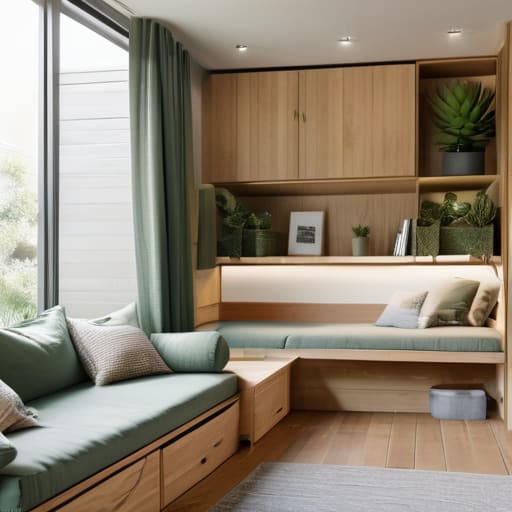
Small-space Organization Ideas That Really Work
I remember standing in my first tiny studio apartment in New York, surrounded by cardboard boxes and the overwhelming feeling that my life was literally closing in on me. The air felt heavy, not just from the humidity, but from the sheer weight of unmanaged belongings crowding every square inch of my floor. I realized then that most advice regarding small space organization is fundamentally broken; it tells you to just “buy more bins” or “invest in expensive modular systems” that ultimately just create more plastic waste. It’s a cycle of consumption that ignores the actual soul of a home, turning our sanctuaries into cluttered warehouses of stuff we don’t even need.
I’m not here to sell you a lifestyle of endless shopping or aesthetic minimalism that feels cold and unlivable. Instead, I want to share the intentional, low-waste strategies I’ve honed through years of living small and thinking sustainably. We’re going to dive into practical, resourceful ways to reclaim your square footage using what you already own and a few clever, eco-conscious tweaks. My goal is to help you master small space organization in a way that feels effortlessly stylish and, most importantly, deeply restorative to your spirit.
Table of Contents
- Decluttering Tiny Apartments for a Breath of Fresh Air
- Minimalist Living Tips to Find Your Inner Sanctuary
- Vertical Victories: Reclaiming Your Square Footage Without the Clutter
- Small Wins for a Sustainable, Organized Space
- The Soul of the Space
- Finding Your Flow in a Smaller Footprint
- Frequently Asked Questions
Decluttering Tiny Apartments for a Breath of Fresh Air
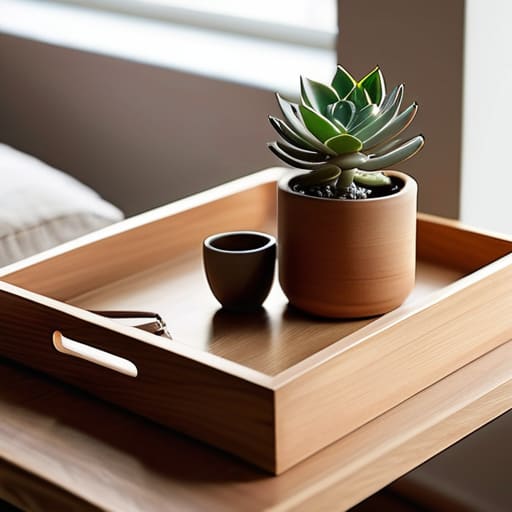
Before we can even think about where to put our things, we have to face the hard truth: we can’t organize our way out of excess. I’ve learned through my own journey that true sustainability starts with editing our belongings. When you’re living in a compact studio, every object needs to earn its keep. I like to approach decluttering tiny apartments like a tide coming in; we’re sweeping away the heavy, unused items to reveal the clean, functional space underneath. Ask yourself if that item truly serves your current lifestyle or if it’s just taking up precious mental and physical real estate.
Once the excess is gone, it’s time to look up. In a small footprint, your walls are your best friends. I’m a huge advocate for vertical storage solutions because they draw the eye upward, making a room feel much more expansive than it actually is. Think floating shelves for your favorite ceramic mugs or hanging planters to bring a bit of that Maine coastline greenery into your living room. By moving your essentials off the floor, you create a sense of flow and lightness that makes even the tightest quarters feel like a sanctuary.
Minimalist Living Tips to Find Your Inner Sanctuary
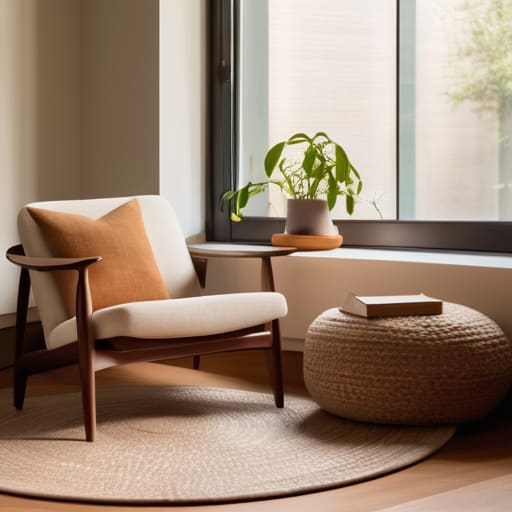
Once you’ve cleared the physical weight of excess belongings, the next step is shifting your mindset toward intentionality. True minimalism isn’t about living in a sterile, empty box; it’s about curating a space that actually serves your soul. I’ve found that when we stop viewing our homes as storage units and start seeing them as sanctuaries, our relationship with “stuff” changes. Instead of constantly chasing the next trend, try focusing on quality over quantity, choosing pieces that possess both beauty and longevity.
To keep that sense of peace from slipping away, I highly recommend leaning into multipurpose furniture ideas that work as hard as you do. Think of a sleek ottoman that doubles as a coffee table and a hidden chest for your seasonal linens, or a dining nook that transforms into a dedicated workspace. By utilizing these clever design shifts, you create a flow that feels expansive rather than cramped. It’s about making sure every single item in your view is there because it adds genuine value—or a little bit of joy—to your daily rhythm.
Vertical Victories: Reclaiming Your Square Footage Without the Clutter
- Think upward, not outward. Instead of letting floor space disappear under bulky furniture, I love using reclaimed wood floating shelves to display my favorite books or small plants. It draws the eye up and keeps your surfaces clear for actual living.
- Embrace the magic of multi-functional pieces. I’m a huge advocate for anything that pulls double duty—think a vintage trunk that serves as both a coffee table and a cozy storage spot for extra linens, or a bed frame with built-in drawers to tuck away those out-of-season sweaters.
- Curate your “micro-zones” with intentionality. In a small apartment, every nook counts. I like to turn an awkward corner into a dedicated reading nook or a tiny workspace using slim, sustainable bamboo organizers, ensuring every object has a designated home that serves a specific purpose.
- Utilize the “hidden” real estate behind closed doors. The back of a pantry door or a closet door is prime territory for hanging organizers. I often use these for everything from spice jars to eco-friendly cleaning supplies, keeping the visual noise to a minimum while maximizing utility.
- Invest in uniform, sustainable containers. There’s something so calming about seeing your pantry or bathroom organized in matching glass jars rather than a chaotic mix of plastic packaging. It reduces visual clutter and makes your sustainable lifestyle feel like a curated part of your home’s aesthetic.
Small Wins for a Sustainable, Organized Space
Focus on quality over quantity by investing in multi-functional, eco-friendly pieces that serve your space without crowding your soul.
Embrace the “one-in, one-out” rule to prevent clutter from creeping back in, ensuring every new addition is a conscious, intentional choice.
Utilize vertical space and repurposed containers to keep your essentials within reach while maintaining a clean, airy, and nature-inspired aesthetic.
The Soul of the Space
“Small space organization isn’t about cramming more into a corner; it’s about curating your surroundings so that every object you keep serves a purpose or feeds your soul, turning a cramped apartment into a mindful sanctuary.”
Jordan Mitchell
Finding Your Flow in a Smaller Footprint
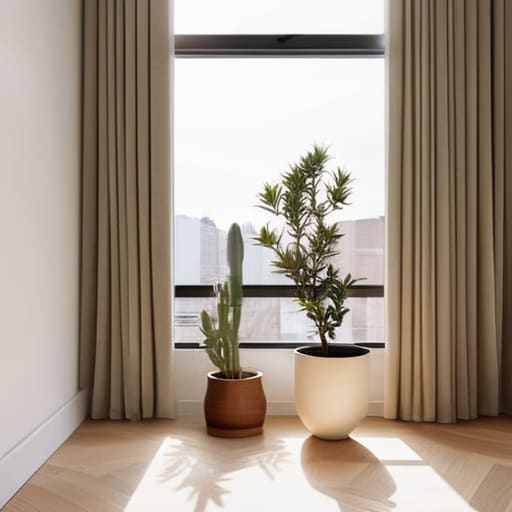
As we’ve explored, organizing a compact living space isn’t just about tucking away clutter; it’s about curating an environment that supports your values. From the initial, heavy lifting of decluttering to the intentional selection of minimalist essentials, every step you take serves to reduce the mental noise of a crowded room. By implementing these low-waste hacks and prioritizing quality over sheer quantity, you aren’t just tidying up—you are reclaiming your territory. Remember, the goal is to transform those cramped corners into a seamless, sustainable sanctuary where every object has a purpose and every inch of space breathes with intention.
Ultimately, I want you to remember that your home is a reflection of your journey toward a more mindful life. Just like the smooth, weathered pieces of sea glass I find on the Maine coast, a well-organized space is often the result of many small, patient refinements. Don’t feel pressured to achieve perfection overnight; instead, embrace the process of intentional evolution. Whether you’re rearranging a single shelf or reimagining your entire layout, you are making a choice to live more deeply and more lightly on this earth. Let’s continue to prove that living small doesn’t mean living less—it means living with extraordinary purpose.
Frequently Asked Questions
How can I incorporate sustainable, zero-waste storage solutions without breaking my budget?
Think of it as a treasure hunt rather than a shopping trip. Instead of hitting big-box retailers for plastic bins, scout your local thrift stores or even Facebook Marketplace for vintage wooden crates or wicker baskets—they add so much character! You can also upcycle glass jars from your pantry for small items. It’s about being resourcefully chic; repurposing what already exists keeps waste low and your budget intact, all while adding a soulful, curated feel to your home.
Are there specific eco-friendly materials I should look for when buying multi-functional furniture for tiny homes?
When hunting for multi-functional pieces, I always look for FSC-certified wood or reclaimed timber—it adds such a soulful, storied vibe to a room. Bamboo is another incredible, fast-growing superstar for durability. For upholstery, steer toward organic linen or hemp; they breathe beautifully and feel much more intentional than synthetics. Just a tip: check for low-VOC finishes to keep your indoor air as crisp and clean as a Maine morning. Quality over quantity, always.
How do I maintain a decluttered space when I'm living in a high-density urban area with limited access to recycling or composting?
Living in the urban jungle can feel like a constant battle against clutter and waste, especially when the infrastructure isn’t quite there yet. I focus on “pre-cycling”—choosing products with minimal, compostable packaging to stop the mess before it enters my door. For what does sneak in, I use small, discreet countertop bins for scraps and look for local community gardens or “scrappy” drop-off points. It’s about being intentional with what we bring home.
