Kitchen Organization Ideas for a Clutter-free Counter
Have you ever stood in front of your pantry, staring at a chaotic mountain of half-empty bags and mismatched containers, feeling more overwhelmed than inspired? We’ve all been there—that moment where the clutter starts to feel less like a mess and more like a heavy weight on our mental well-being. I’ve found that a disorganized kitchen often leads to more food waste and mindless spending, which goes against everything we’re trying to achieve in our journey toward intentional living. Finding the right kitchen organization ideas isn’t just about making your counters look “Instagram-ready”; it’s about creating a functional sanctuary that supports your eco-conscious goals and reduces the daily friction of a busy life.
In this post, I’m sharing five of my favorite, low-waste strategies to help you reclaim your space and your peace of mind. We’re going to move beyond those plastic-heavy bin systems and instead explore resourceful, aesthetic solutions that blend seamlessly with a sustainable lifestyle. From repurposing glass jars to mindful zoning, these five tips will transform your kitchen from a source of stress into a beautifully streamlined hub for mindful cooking. Let’s dive in and turn your kitchen into a space that truly breathes.
Table of Contents
Upcycle Your Glassware
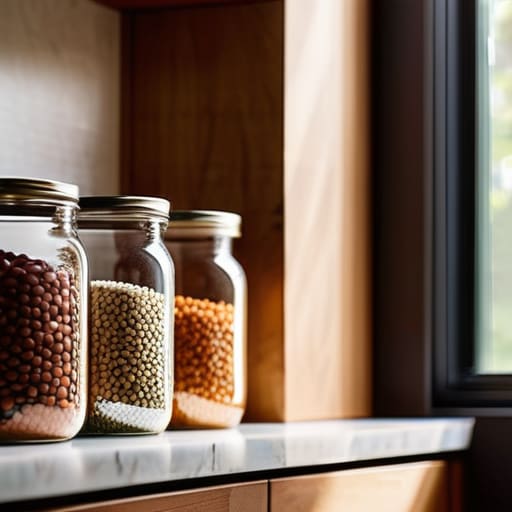
One of my favorite ways to bridge the gap between my Maine roots and my current urban life is through the art of repurposing. Instead of tossing those old pasta sauce jars or jam containers into the recycling bin, try cleaning them thoroughly and using them as modular storage units for your pantry staples. There is something so deeply satisfying about seeing lentils, quinoa, or even dried herbs lined up in clear glass, creating a visual rhythm that makes your kitchen feel instantly more intentional.
The Zero-Waste Bulk Station
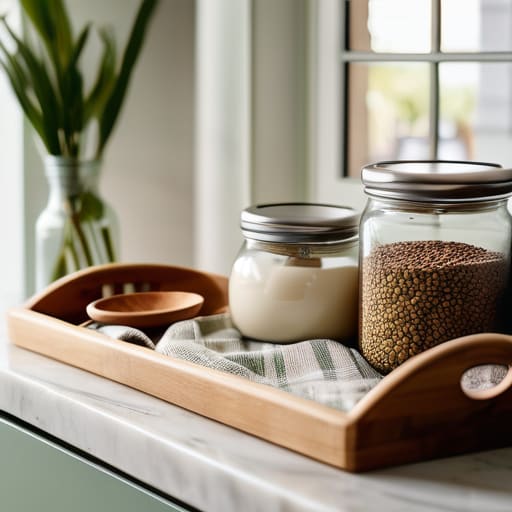
Transitioning to a more sustainable lifestyle often starts with how we source our ingredients, and creating a dedicated “bulk station” in your kitchen can make this process feel seamless rather than a chore. Dedicate a specific shelf or a small corner of your countertop to your reusable cloth bags and glass jars. By keeping these eco-friendly essentials right where you need them, you remove the friction that often leads to grabbing those convenient, plastic-wrapped options at the grocery store.
Repurposed Crates for Vertical Storage
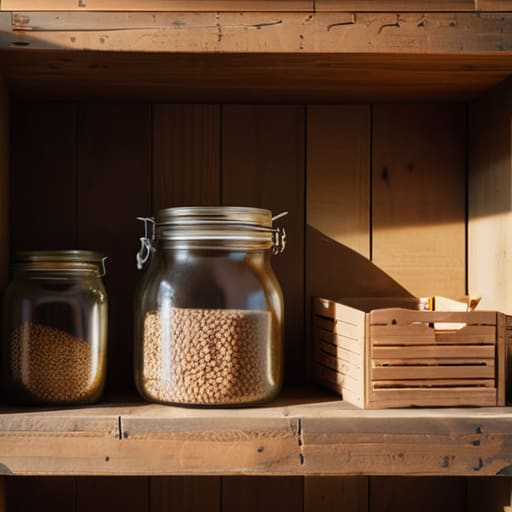
If you’re working with a smaller kitchen footprint, looking upward is one of the most effective ways to reclaim your space without buying a bunch of new, plastic organizers. I love the idea of sourcing old wooden crates or even sturdy cardboard boxes to create vertical storage layers on your pantry shelves. It adds a wonderful, rustic texture to the space that feels much more “home” than a sterile, modern plastic bin, echoing that natural aesthetic I grew up with.
Magnetic Spice Harmony
Spices are the soul of any kitchen, but they can quickly become a cluttered mess of mismatched plastic bottles that take up precious cabinet real estate. To solve this, I highly recommend exploring magnetic tins that can be attached to the side of your refrigerator or a dedicated metal backsplash. This not only frees up your drawers but also turns your spice collection into a vibrant, functional display that’s always within arm’s reach while you’re cooking.
Compost-Ready Countertop Caddies
We can’t talk about sustainable kitchen organization without addressing the inevitable organic waste that comes with cooking. Instead of hiding your scraps in a dark corner, I suggest investing in a beautiful, small countertop compost caddy made from sustainable materials like bamboo or stainless steel. Having a dedicated, stylish home for your vegetable peels and coffee grounds makes the habit of composting feel like a natural extension of your kitchen routine.
Small Wins for a Greener Kitchen
Remember that organization isn’t just about aesthetics; it’s about creating a mindful flow that naturally reduces food waste and minimizes our environmental footprint.
Prioritize intentionality over perfection by choosing reusable, low-waste storage solutions that serve both your culinary needs and your eco-conscious values.
View every organized drawer or pantry shelf as a small, beautiful victory that makes sustainable living feel less like a chore and more like a lifestyle.
The Heart of the Sustainable Home
“A truly organized kitchen isn’t about achieving a sterile, magazine-perfect aesthetic; it’s about creating a mindful flow that honors the resources we use and the planet we inhabit. When we clear the clutter, we make room for more intentional living.”
Jordan Mitchell
Small Steps, Big Impact
As we’ve explored today, reclaiming your kitchen isn’t about achieving some unattainable, sterile perfection; it’s about creating a space that works with your lifestyle rather than against it. From repurposing glass jars to store bulk grains to implementing a thoughtful “first-in, first-out” system for your produce, these organizational shifts do more than just clear the clutter. They serve as a practical framework to minimize food waste and reduce our reliance on single-use plastics. By giving every item a dedicated home, you’re not just tidying up a countertop—you’re intentionally designing a kitchen that supports a more mindful, low-waste way of living.
At the end of the day, I want you to remember that your kitchen is the heart of your home and a powerful staging ground for environmental change. Don’t feel like you have to overhaul everything overnight; start with one drawer, one shelf, or one repurposed container. It’s those tiny, consistent choices that eventually ripple outward, turning a simple daily routine into a meaningful environmental victory. Whether you’re prepping a seasonal meal or just grabbing a coffee, let your organized space remind you that you are making a difference. Let’s keep building these beautiful, sustainable habits together, one intentional step at a time.
Frequently Asked Questions
How can I transition to a zero-waste pantry without feeling overwhelmed by the upfront cost of glass jars?
I totally get it—stocking up on matching glass jars can feel like a massive, expensive hurdle. But here’s the secret: don’t buy a single new jar yet. Start by upcycling what you already have! Those pasta sauce jars and jam containers are absolute gems once you soak off the labels. Think of it as a slow, intentional curation rather than a shopping spree. It’s more sustainable (and way easier on your wallet) to repurpose before you replace.
Are there any specific eco-friendly materials I should look for when buying new organizational bins or dividers?
When you’re scouting for new bins, try to steer clear of virgin plastics. Instead, look for bamboo, cork, or even recycled PET—it’s a great way to give existing materials a second life. If you can find hand-woven seagrass or rattan baskets, go for it! They add such a lovely, organic texture to your shelves. Just remember: the most sustainable option is always using what you already have, like upcycled glass jars or sturdy cardboard boxes.
How do I manage food waste effectively while reorganizing my fridge for better visibility and longevity?
To tackle food waste, think of your fridge as a living ecosystem. Start by grouping items by “use-by” urgency—keep those leafy greens and perishables front and center where they can’t hide. I love using clear, reusable glass containers to maximize visibility; if you can see it, you’ll actually eat it. It’s about creating a visual flow that honors what we have, turning organization into a mindful practice of respecting our resources.
