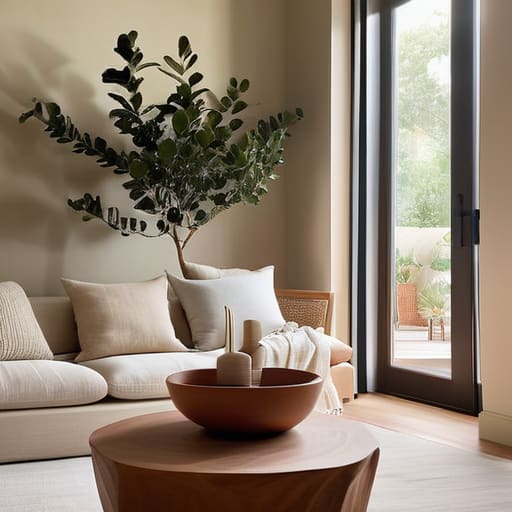
How to Create a Minimalist Home Without Feeling Empty
I remember sitting on the floor of my first tiny apartment in New York, surrounded by a mountain of “essential” gadgets and fast-fashion decor that I thought would make my space feel complete. Instead, all I felt was a heavy, suffocating sense of clutter that seemed to drain my energy every time I walked through the door. We’ve been sold this lie that following certain minimalist home tips means buying a whole new set of expensive, beige aesthetic items to replace the old ones, but that’s not minimalism—that’s just consumerism in a different outfit.
I’m not here to tell you to live in a sterile white box or to throw away everything you love. My goal is to share practical, earth-friendly ways to curate a home that actually breathes, focusing on quality over quantity and intention over impulse. I’ll be walking you through my own tried-and-true methods for decluttering without the guilt, offering honest, experience-based advice that respects both your budget and our planet. Let’s stop collecting “stuff” and start making room for a life that truly inspires you.
Table of Contents
- Mastering Decluttering Techniques for Beginners With Purpose
- Finding Calm Through Organizing for Simplicity
- Curating with Intention: Five Ways to Infuse Minimalism into Your Daily Rituals
- Small Shifts, Big Impact: Your Path to Intentional Living
- The Soul of a Minimalist Home
- Beyond the Clutter: Embracing a Life of Intention
- Frequently Asked Questions
Mastering Decluttering Techniques for Beginners With Purpose
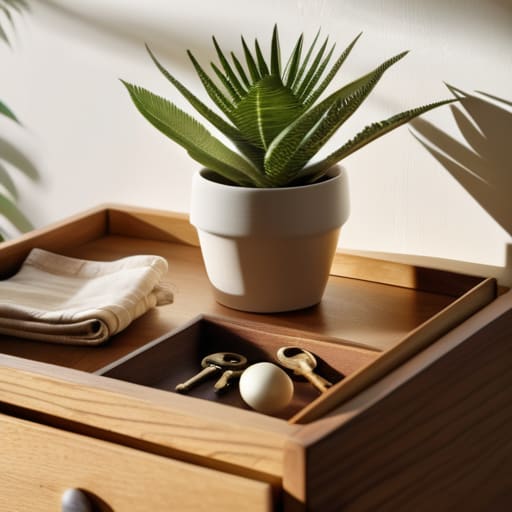
When you first start this journey, it’s easy to feel overwhelmed by the sheer volume of “stuff” surrounding us. I like to think of it not as a chore, but as a way of breathing life back into your surroundings. Instead of tackling the whole house in a frantic weekend blitz, I recommend starting with small, manageable zones. When exploring decluttering techniques for beginners, try the “one-in, one-out” rule or focus on a single drawer at a time. This prevents that mid-process burnout and allows you to truly reflect on why each item earned its place in your life.
As you clear the physical weight, you’ll start to see how intentional living spaces naturally emerge. It’s about more than just hiding things in bins; it’s about curating an environment that serves your soul. As you move through each room, ask yourself if an object brings utility or genuine joy, or if it’s simply taking up mental bandwidth. By reducing household clutter with this mindful approach, you aren’t just cleaning—you’re making room for more peace, more creativity, and a much lighter footprint.
Finding Calm Through Organizing for Simplicity
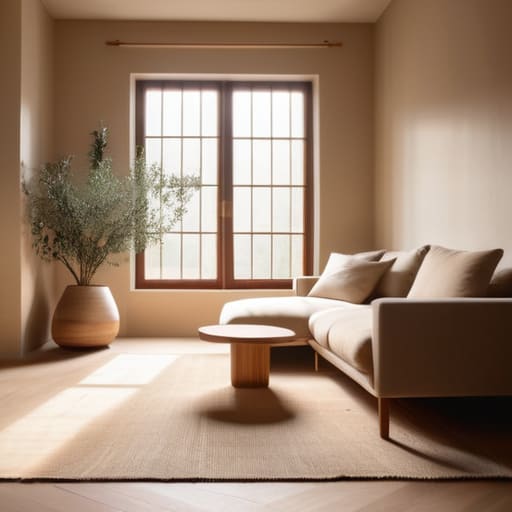
There’s a specific kind of mental fog that settles in when your physical surroundings are overflowing with “stuff.” I’ve felt it many times—that heavy, restless sensation when you walk through the door after a long day and find nothing but visual noise waiting for you. Transitioning toward organizing for simplicity isn’t just about aesthetic perfection; it’s about reclaiming your headspace. When we curate our belongings with intention, we aren’t just tidying up; we are actively reducing household clutter to make room for peace.
I like to think of my home as a sanctuary that breathes. To achieve this, I lean heavily into minimalist interior design principles, focusing on quality over sheer volume. Instead of filling every shelf with knick-knacks, I opt for pieces that hold meaning—perhaps a smooth piece of sea glass I found last summer or a single, well-loved ceramic vase. By creating intentional living spaces that prioritize function and beauty, we stop managing our possessions and start actually living within them. It’s a subtle shift, but one that transforms your home from a source of stress into a true place of restoration.
Curating with Intention: Five Ways to Infuse Minimalism into Your Daily Rituals
- Embrace the “One-In, One-Out” Rule to Prevent Creeping Clutter. Every time a new piece of decor or a fresh garment enters your sanctuary, commit to finding a new home for something old—whether that’s donating it to a local thrift shop or repurposing it. It keeps your space breathing and prevents that slow accumulation of “stuff” that often weighs us down.
- Prioritize Quality Over Quantity to Honor the Planet. Instead of filling your shelves with inexpensive, mass-produced trinkets, invest in a few meaningful pieces that tell a story. Think of it like the sea glass I find on the Maine coast; it’s not about having a bucket full of pebbles, but about finding those few, perfectly weathered treasures that truly resonate with your soul.
- Opt for Multi-Functional Decor That Serves a Purpose. In a minimalist home, every object should earn its keep. Look for furniture that pulls double duty—like a beautiful wooden bench that offers both seating and hidden storage—to reduce the sheer volume of items you need while maintaining a sleek, intentional aesthetic.
- Create “Negative Space” to Let Your Home Breathe. We often feel the urge to fill every empty corner, but there is profound beauty in emptiness. By leaving certain surfaces or walls bare, you allow the architecture of your home and the light from your windows to become the focal point, creating a sense of calm that no amount of decor can replicate.
- Digitalize Your Paper Trail to Reclaim Physical Space. We underestimate how much mental and physical clutter old receipts, manuals, and mail can create. Transitioning to a digital filing system isn’t just about saving shelf space; it’s about streamlining your life and reducing the environmental footprint of paper waste, one scanned document at a time.
Small Shifts, Big Impact: Your Path to Intentional Living
Minimalism isn’t about deprivation; it’s about making room for what truly nourishes your soul and respects our planet’s resources.
Every item you choose to let go of is a step toward a lighter footprint and a more mindful, intentional lifestyle.
Focus on quality over quantity by investing in sustainable, long-lasting pieces that honor both your aesthetic and the environment.
The Soul of a Minimalist Home
“Minimalism isn’t about stripping your life down to nothing; it’s about clearing away the noise so you can finally hear the quiet rhythm of a life lived with intention and respect for the world around us.”
Jordan Mitchell
Beyond the Clutter: Embracing a Life of Intention
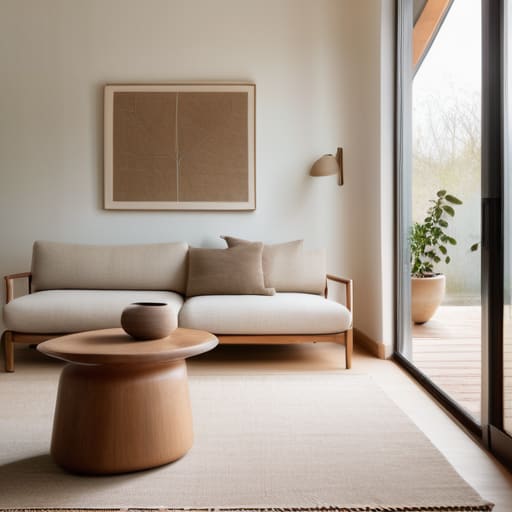
As we’ve explored, minimalism isn’t just about clearing off your kitchen counters or owning fewer things; it’s about reclaiming the mental and physical space required to actually live. By mastering intentional decluttering and finding calm through organized simplicity, you aren’t just tidying a room—you are actively curating an environment that supports your well-being and honors our planet’s finite resources. Every item you choose to let go of is a step toward a more mindful existence, reducing the cycle of mindless consumption that so often weighs us down. Remember, the goal isn’t perfection, but rather creating a sustainable rhythm that aligns your home with your deepest values.
As you move forward, I want you to view your home as a living, breathing reflection of your journey toward sustainability. Much like the sea glass I find on the Maine coast—once jagged and discarded, but transformed into something beautiful through time and the elements—our homes can be reshaped into something truly intentional and serene. Don’t feel pressured to overhaul everything overnight. Instead, embrace the small, quiet victories found in a single organized drawer or a cleared tabletop. These tiny shifts are the ripples that eventually create a tidal wave of change, proving that a simpler life is not about what we lose, but about the meaningful space we gain for what truly matters.
Frequently Asked Questions
How can I transition to a minimalist lifestyle without feeling like I'm losing the cozy, lived-in warmth of my home?
It’s a common fear—that minimalism means trading soul for sterility. But to me, true minimalism isn’t about emptiness; it’s about curation. Instead of stripping your home bare, focus on keeping the pieces that tell your story. Swap mass-produced clutter for meaningful treasures, like a collection of sea glass or a well-loved linen throw. When we replace “stuff” with intention, we create a space that feels both breezy and deeply, warmly alive.
What are some eco-friendly ways to responsibly rehome or recycle the items I declutter so they don't just end up in a landfill?
The real magic happens after the decluttering. Instead of letting good items languish in a landfill, let’s give them a second life. I love scouting local thrift stores or hosting a “swap party” with friends—it’s such a joyful way to circulate resources. For things that are truly worn out, look into textile recycling programs or specialized e-waste centers. It’s about being intentional with every object, ensuring its journey continues sustainably.
How do I resist the urge to buy new "minimalist" aesthetic products that might actually contribute to more consumer waste?
It’s a trap we’ve all fallen into—buying “minimalist” decor just to achieve a certain look. To resist, I practice the “pause and pivot” method. Before clicking ‘buy,’ ask: Does this serve a function, or am I just chasing an aesthetic? Instead of buying new, look at what you already own through a fresh lens. Can a thrifted ceramic vase or a piece of sea glass you found on the coast fill that void more authentically?
