
The First Apartment Checklist You’ll Actually Use
There is a specific kind of magic in those first few days of holding a set of keys to a place that is entirely your own. But if I’m being honest, that magic can quickly be eclipsed by the overwhelming realization of just how much stuff you actually need to function. Between the sudden urge to buy every trendy gadget on social media and the paralyzing fear of making wasteful purchases, navigating your first apartment checklist can feel like a minefield of consumerism. I remember standing in my very first studio, surrounded by cardboard boxes and feeling completely lost, wondering how I could build a home that felt like “me” without contributing to the endless cycle of disposable living.
I want to help you bypass that overwhelm and instead approach this milestone with intention. In the following guide, I’ve distilled my approach into five essential categories that prioritize both functionality and planet-friendly living. You aren’t just going to learn what to buy; you’ll discover how to curate a space that is beautifully resourceful and deeply personal. Let’s dive into these five pillars to ensure your new sanctuary is built on a foundation of style and substance.
Table of Contents
The Foundation of Low-Waste Kitchenware
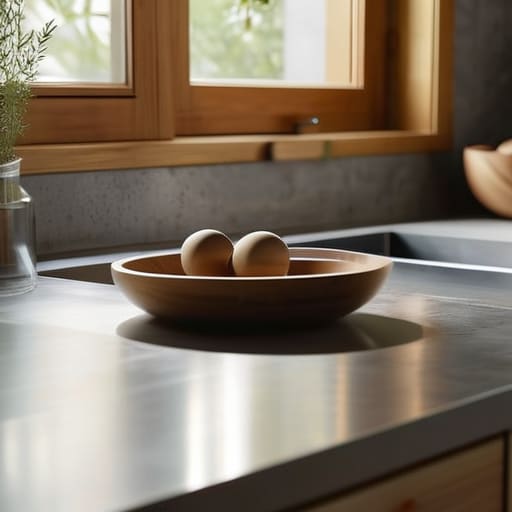
When you’re setting up your first kitchen, the temptation to grab a cheap, plastic-heavy starter set from a big-box retailer is incredibly strong. However, I’ve learned that investing in a few high-quality, durable pieces early on saves you so much heartache—and landfill space—in the long run. Instead of a dozen mismatched utensils, aim for a solid set of stainless steel or bamboo tools that feel good in your hand and are built to last through years of home-cooked meals.
Textiles with a Conscious Soul
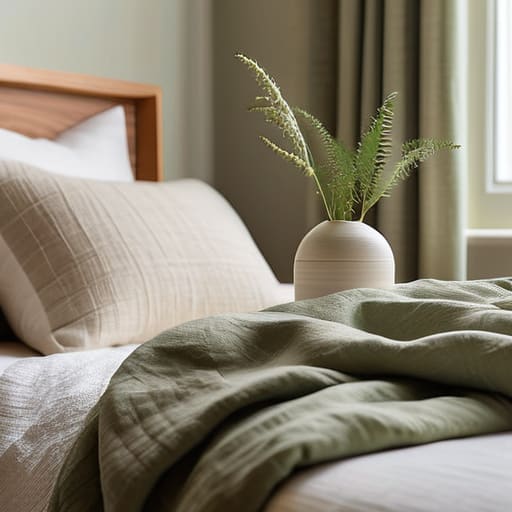
Your bed and bath are the sanctuaries of your home, so let’s make sure the fabrics touching your skin are as kind to the planet as they are to your body. I always suggest skipping the ultra-fast fashion linens and looking for organic cotton or hemp options. These materials are much more breathable and, more importantly, they are grown with significantly less water and fewer pesticides, which is a huge win for our ecosystems.
Intentional Lighting and Ambiance
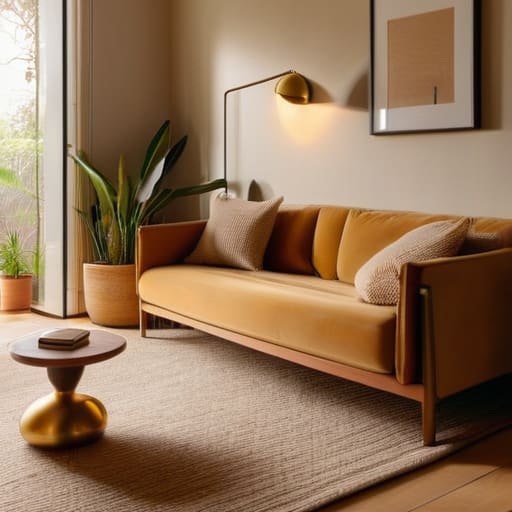
Lighting is one of those design elements that people often overlook during a move, but it’s actually the secret sauce to making a new space feel like home. Instead of relying on harsh, overhead fluorescent lights that can feel a bit clinical, try to curate a collection of lamps that offer a warm, layered glow. This not only creates a more inviting atmosphere for relaxing after a long day, but it also allows you to control the mood of each room.
The Greenery Growth Plan
There is something incredibly healing about bringing a bit of the outdoors inside, especially when you’re navigating the transition into a new urban environment. I can’t recommend enough starting a small indoor jungle to help purify your air and boost your mood. Plants act as living decor, adding texture and color to your shelves and windowsills in a way that synthetic decorations simply can’t match.
Mindful Cleaning Essentials
It’s easy to forget about cleaning supplies until you’re staring at a dusty shelf, but this is where many people accidentally accumulate a mountain of harsh chemicals. I’ve found that moving into a new space is the perfect time to establish a non-toxic cleaning routine. You don’t need a cabinet full of specialized sprays for every single surface; often, a few versatile, biodegradable ingredients are all you really need to keep things sparkling.
Final Thoughts: Small Steps, Big Impact
Remember that building a sustainable home isn’t about perfection; it’s about making intentional, mindful choices that honor both your space and the planet.
Focus on quality over quantity by investing in durable, eco-friendly essentials that will grow with you rather than ending up in a landfill.
Let your unique style shine through resourceful DIYs and second-hand finds, turning your first apartment into a sanctuary that reflects your values.
The Heart of Your New Space
“Your first apartment isn’t just a collection of furniture and boxes; it’s the canvas for your values. When we curate our space with intention, we aren’t just decorating a room—we’re building a sanctuary that honors both our personal style and the planet we call home.”
Jordan Mitchell
Creating Your Sustainable Sanctuary
As you begin to unpack and settle into your new space, remember that building an eco-conscious home isn’t about achieving perfection overnight; it’s about the intentional choices you make along the way. From prioritizing multi-functional furniture that grows with you to sourcing second-hand treasures that tell a unique story, every item you bring through your front door is an opportunity to align your lifestyle with your values. By focusing on quality over quantity and opting for renewable materials, you’ve already laid a solid foundation for a home that is as kind to the planet as it is beautiful to live in.
Moving into a first apartment can feel overwhelming, but I want you to view this transition as a blank canvas for your personal environmental legacy. Think of your new home as a living ecosystem where small, daily habits—like composting or choosing energy-efficient lighting—eventually ripple outward to create a much larger impact. You don’t need a massive budget or a designer showroom to make a difference; you just need the courage to choose better whenever possible. So, take a deep breath, enjoy the magic of your new beginnings, and remember that every mindful decision you make is a victory for our shared home.
Frequently Asked Questions
How can I balance my desire for a beautiful, eco-chic aesthetic with the reality of a tight first-apartment budget?
I totally hear you—the “aesthetic vs. budget” struggle is real. My secret? Think like a collector, not a consumer. Instead of buying new, hunt for high-quality secondhand pieces that just need a little love. A thrifted wooden table can feel incredibly high-end with the right linen runner. Focus your budget on a few “anchor” sustainable pieces, then layer in character with DIYs—like using that sea glass I love—to create a space that feels curated, soulful, and distinctly yours.
What are some effective ways to source high-quality, sustainable furniture without relying on fast-furniture retailers?
To avoid the “fast-furniture” trap, think like a curator rather than a consumer. I love scouring local estate sales and Facebook Marketplace—it’s like a treasure hunt for pieces with real soul. If you want something more polished, look into certified refurbished brands or local artisans who work with reclaimed wood. It takes a little more patience than a one-click checkout, but building a home with storied, high-quality pieces is so much more rewarding.
If I'm renting, how much flexibility do I actually have to implement eco-friendly upgrades like low-flow fixtures or composting systems?
That’s the golden question, isn’t it? Since you don’t own the walls, your strategy shifts from “renovating” to “swapping.” For fixtures, I always suggest “temporary upgrades”—keep the original showerhead in a box and swap it for a low-flow version when you move. It’s a tiny change with a huge impact. As for composting, if a bin isn’t an option, look into small-scale bokashi buckets or even local community drop-offs. It’s all about being resourceful without breaking your lease!
