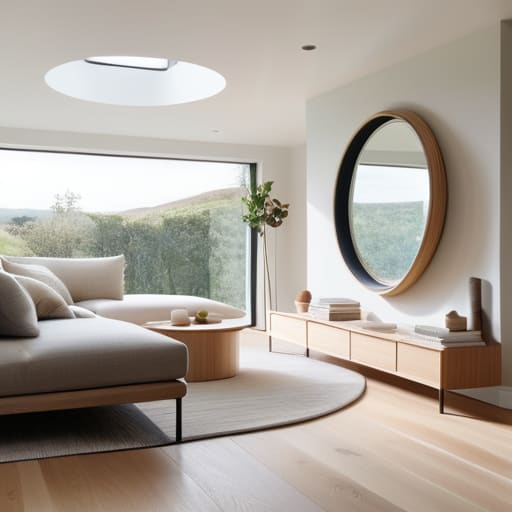
How to Make a Small Room Look and Feel Bigger
I remember sitting on the floor of my first tiny studio apartment in New York, surrounded by half-unpacked boxes and feeling like the walls were physically closing in on me. I’d spent hours scrolling through endless, glossy interior design feeds, feeling utterly defeated by the suggestion that I needed a massive renovation or a mountain of expensive, minimalist furniture just to breathe. It felt like everyone was selling this expensive lie that you can’t have a soulful, lived-in home if you don’t have the square footage to match. But I’ve learned that figuring out how to make a small room look bigger isn’t about buying more stuff; it’s about intentionality and how we direct the light and energy within our four walls.
In this guide, I’m stripping away the high-end showroom hype to share the practical, resourceful strategies that actually work for real life. We aren’t going to talk about empty, sterile spaces that feel more like a museum than a home. Instead, I’ll show you how to use light, texture, and clever placement to create an airy, intentional sanctuary that feels as expansive and refreshing as a morning walk along the Maine coast.
Table of Contents
- Harnessing Neutral Color Palettes for Small Rooms
- Using Mirrors for Spatial Illusion and Natural Light
- Breathing Room: Five Ways to Expand Your Personal Sanctuary
- Small Changes, Big Impact: My Final Thoughts on Mindful Spaces
- The Philosophy of Spatial Flow
- Creating Room to Breathe
- Frequently Asked Questions
Harnessing Neutral Color Palettes for Small Rooms
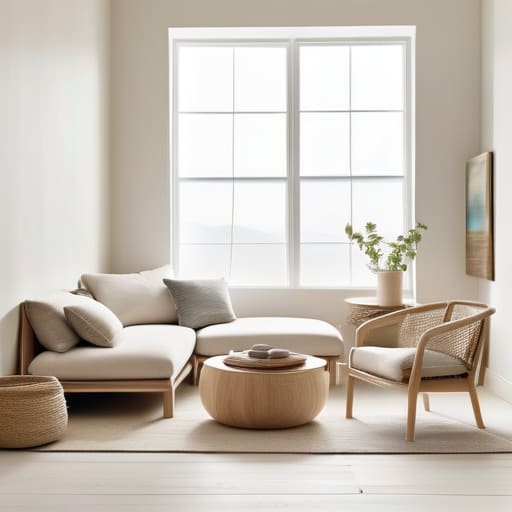
When I’m out walking along the Maine coast, I’m often struck by how the soft, muted tones of sea glass and weathered driftwood seem to blend seamlessly into the horizon. There’s a reason that vastness feels so calming—it’s because there are no harsh boundaries. You can bring that same sense of serenity into your home by leaning into neutral color palettes for small rooms. Instead of reaching for heavy, dark pigments that seem to “close in” the walls, try layering soft whites, warm sands, or gentle greys. These tones act like a canvas, reflecting natural light rather than absorbing it, which helps the eye travel further without hitting a visual roadblock.
The secret isn’t just about the color itself, but how those hues interact with the light moving through your space. By keeping your walls and larger surfaces in a cohesive, light spectrum, you’re essentially maximizing small space living through visual continuity. It’s about creating a flow that feels intentional and breezy, much like a morning fog lifting to reveal a wide, open seascape. When you reduce the visual noise of clashing colors, your room finally has the permission to breathe.
Using Mirrors for Spatial Illusion and Natural Light
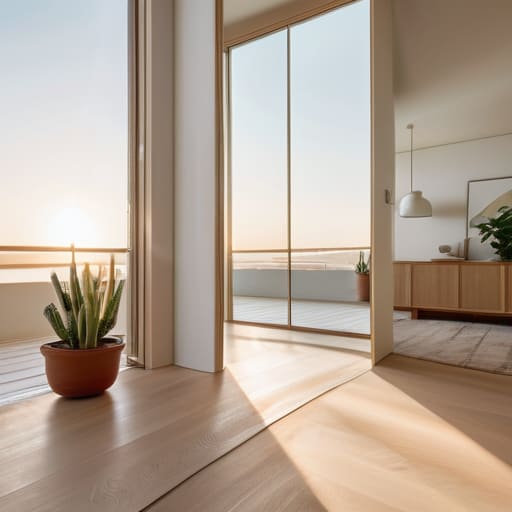
If there’s one trick I’ve learned from my time spent in cramped urban apartments, it’s that light is your greatest ally. Think of mirrors not just as tools for checking your reflection, but as windows to another dimension. By strategically placing mirrors for spatial illusion directly across from your primary light source—be it a sun-drenched window or a warm floor lamp—you effectively bounce that radiance into the darker corners of the room. It’s a simple way to mimic the expansive feeling of the Maine coast, making even the tightest nook feel like it has room to breathe.
Beyond just adding depth, mirrors can fundamentally change the energy of a room. I love using large, floor-length mirrors to create a sense of continuous flow, which is a cornerstone of maximizing small space living. Instead of feeling boxed in by four walls, the reflected light and imagery trick the eye into perceiving a much deeper floor plan. It’s about creating an intentional sense of openness that invites the outside in, turning a restrictive layout into a bright, airy sanctuary.
Breathing Room: Five Ways to Expand Your Personal Sanctuary
- Embrace the “Less is More” Philosophy: Just like the minimalist beauty of a tide pool, a cluttered room feels cramped. Instead of filling every corner with decor, choose a few meaningful, high-quality pieces that allow your space to actually breathe.
- Think Vertically to Draw the Eye Upward: When floor space is a premium, look to the walls. Installing floor-to-ceiling shelving or hanging curtains higher than the window frame mimics the expansive feeling of looking up at a forest canopy, tricking the eye into seeing more height.
- Select Furniture with “Leggy” Profiles: Avoid heavy, bulky pieces that sit flush against the floor. Opting for mid-century modern styles or furniture with slender, exposed legs allows light and sightlines to flow underneath, creating an illusion of continuous floor space.
- Harness the Power of Multi-Functional Pieces: In a small footprint, every object should earn its keep. A sleek ottoman with hidden storage or a coffee table that doubles as a workspace keeps the visual noise down while maximizing your home’s utility.
- Incorporate Natural Textures and Light Materials: Instead of heavy, dark fabrics that swallow light, lean into airy linens and light woods. Bringing in these organic elements—much like the driftwood I find on my walks—adds depth and a sense of openness without weighing the room down.
Small Changes, Big Impact: My Final Thoughts on Mindful Spaces
Think of your color palette and light as the breath of your room; by choosing airy tones and strategically placed mirrors, you aren’t just decorating, you’re allowing your living space to expand and feel as boundless as the Maine horizon.
Remember that intentionality is your greatest tool—it’s not about how much stuff you can fit into a corner, but about curating a space that feels purposeful, uncluttered, and restorative to your spirit.
Every small, mindful adjustment you make to your environment is a step toward a more sustainable and harmonious lifestyle, proving that we don’t need more square footage to find true peace and room to grow.
The Philosophy of Spatial Flow
“Making a small room feel expansive isn’t about adding more stuff; it’s about curating the space so that light and intention can flow through it, much like the tide moving freely across a shoreline.”
Jordan Mitchell
Creating Room to Breathe
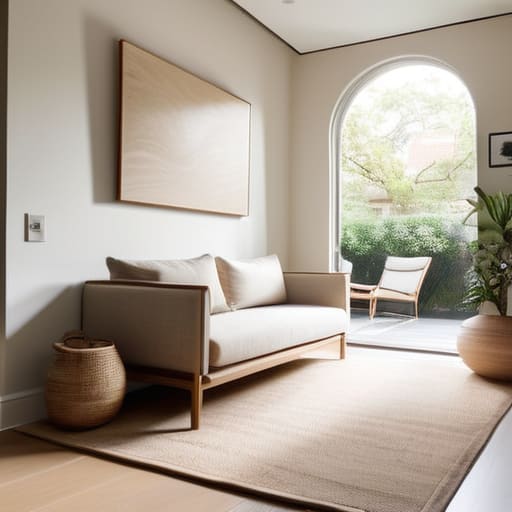
At the end of the day, transforming a cramped apartment into an airy sanctuary isn’t about magic; it’s about being intentional with what we bring into our personal ecosystems. By leaning into those soft, neutral color palettes and strategically placing mirrors to catch the morning light, you aren’t just playing with visual tricks—you are curating a sense of openness. Whether it’s through clever lighting or simply decluttering to let your furniture breathe, these small, thoughtful adjustments work together to ensure your home feels less like a box and more like a truly expansive retreat.
As I often remind myself while tending to my urban beehives, even the most confined spaces can thrive if they are given the right environment to flourish. Making your home feel bigger is a lot like my sea glass projects; it’s about taking the small, scattered pieces of your life and arranging them in a way that creates something beautiful and harmonious. I hope these tips inspire you to look at your living space not as a limitation, but as a canvas for mindful living. Remember, you don’t need a sprawling estate to find peace—you just need a space that reflects the intentionality of your journey.
Frequently Asked Questions
How can I incorporate my favorite colorful decor or plants without making the space feel cluttered and cramped?
Think of your decor like a coastal tide—it’s all about balance. Instead of scattering colorful trinkets everywhere, try grouping them in “vignettes” on a single shelf or tray; it creates a focal point rather than visual noise. For your plants, go vertical! Using hanging planters or a tiered plant stand draws the eye upward, mimicking the lush canopy of a forest without eating up your precious floor space.
Are there specific types of furniture or layouts that help maintain an open, airy flow in a tiny apartment?
Think of your furniture like the tide—it needs room to move. Instead of bulky, heavy pieces that swallow the light, opt for furniture with “legs.” Seeing the floor extend underneath a sofa or sideboard creates an instant sense of openness. I’m also a huge fan of multi-functional pieces; a nesting table or a slim console that doubles as a desk keeps the layout intentional rather than cluttered, allowing your sanctuary to truly breathe.
Can I use sustainable or upcycled materials to decorate a small room without it looking overwhelming?
Absolutely! In fact, I think upcycling is the secret sauce to making a small space feel soulful rather than cramped. The trick is “curated intentionality.” Instead of crowding every corner, pick a few standout pieces—like a reclaimed wood side table or a vase filled with sea glass I’ve collected. By choosing items with clean lines and a natural aesthetic, you add character and warmth without the visual noise that makes a room feel cluttered.
