
How to Sleep Better Starting Tonight
I remember sitting on the edge of my bed in a cramped Brooklyn apartment, the blue light of my laptop stinging my eyes and the hum of the city vibrating through the floorboards. I was exhausted, yet my mind was racing with a thousand digital threads, making me wonder if I was the only one who felt like sleep was something I had to earn rather than something that just happened. We’ve been sold this idea that mastering how to sleep better requires a mountain of expensive, high-tech gadgets or a complete lifestyle overhaul that feels more like a chore than a relief.
I’m not here to sell you a $500 weighted blanket or a subscription to a sleep-tracking app that only serves to stress you out more. Instead, I want to share how we can approach rest through the lens of intentional, sustainable rituals—the kind that honor both your body and your environment. I’m going to walk you through some practical, low-impact shifts that align your nightly routine with a more natural rhythm. Let’s strip away the hype and focus on meaningful, everyday changes that actually allow you to wake up feeling truly restored.
Table of Contents
Mastering Sleep Hygiene Habits for Mindful Rest

Think of your nightly routine as a delicate ecosystem that needs tending. Just as I carefully balance the needs of my urban beehives, mastering sleep hygiene habits requires a gentle, consistent approach to your environment. It’s not about drastic overhauls; it’s about optimizing your sleep environment to signal to your body that the day’s work is done. This might mean swapping out harsh, blue-light-emitting screens for a warm, amber-toned reading lamp or introducing soft, organic textures like linen sheets that ground your senses.
Beyond the physical space, we have to consider our internal biological clock. Prioritizing circadian rhythm regulation is perhaps the most impactful way to align your body with the natural world. I’ve found that seeking out morning sunlight and winding down with herbal teas acts as a beautiful bridge between the chaos of digital life and the stillness of rest. By reducing artificial stimulation in the evening, you’re essentially lowering your cognitive noise, making it much easier for your mind to drift into a deep, restorative slumber without the usual midnight restlessness.
Optimizing Sleep Environment With Coastal Calm

When I think back to those quiet, misty mornings on the Maine coast, it’s the sense of stillness that stays with me. We can recreate that same serenity in our bedrooms by focusing on optimizing your sleep environment to mirror that natural calm. It’s not just about a tidy room; it’s about curating a sanctuary. I love using textures that feel grounded—think organic linen sheets or a soft, recycled cotton throw. These tactile elements do more than just look “eco-chic”; they signal to your nervous system that it is finally time to decompress.
Beyond the aesthetics, we have to consider how our space interacts with our biology. Light is perhaps our most powerful tool for circadian rhythm regulation. I’ve found that swapping out harsh, blue-toned smart bulbs for warm, amber-hued lamps in the evening makes a world of difference. By dimming the lights and minimizing digital glare, you’re essentially sending a gentle signal to your brain to begin its natural transition toward rest. It’s these small, intentional shifts in our surroundings that turn a mere bedroom into a true haven for restorative sleep.
Small Shifts for Deep Rest: My Five Favorite Rituals
- Honor Your Natural Rhythm: Just as the tides in Maine follow a predictable, calming pulse, our bodies thrive on consistency. Try to head to bed and wake up at the same time every day—even on weekends—to sync your internal clock with the natural world.
- Digital Sunset: We all know the pull of the infinite scroll, but the blue light from our screens is a thief of restful sleep. I recommend implementing a “digital sunset” an hour before bed, swapping the smartphone for a physical book or a quick sketch in a journal.
- Mindful Movement over Evening Intensity: While a morning jog is great for the soul, heavy workouts late at night can leave your nervous system buzzing. Instead, try some gentle, restorative stretching or a slow walk to help your body transition from the day’s hustle into a state of calm.
- Sip on Something Soulful: Ditch the late-afternoon caffeine trap. Instead, cultivate a ritual of sipping herbal teas—like chamomile or lavender—which act as a gentle signal to your brain that it’s time to wind down and embrace the stillness.
- The Power of Mindful Decompression: Sometimes our minds race faster than a coastal wind. Before you tuck in, try a quick grounding exercise or a gratitude practice to release the day’s mental clutter, ensuring you aren’t carrying yesterday’s stressors into your dreams.
Small Shifts for a Restful Rhythm
Treat your sleep routine like a coastal tide; it’s not about sudden changes, but about finding a consistent, natural rhythm through small, intentional nightly rituals.
Curate your bedroom into a sanctuary of “coastal calm” by prioritizing natural textures and dimming the digital noise to let your senses truly reset.
Remember that sustainable rest is an investment in your long-term well-being, proving that mindful, low-impact lifestyle shifts can yield the highest returns for your health.
The Rhythm of Rest
“Think of your sleep not as a luxury to be squeezed into a busy schedule, but as a natural tide that needs the right conditions to roll in; when we honor our body’s need for stillness, we aren’t just resting, we’re recharging our capacity to care for the world around us.”
Jordan Mitchell
Finding Your Rhythm
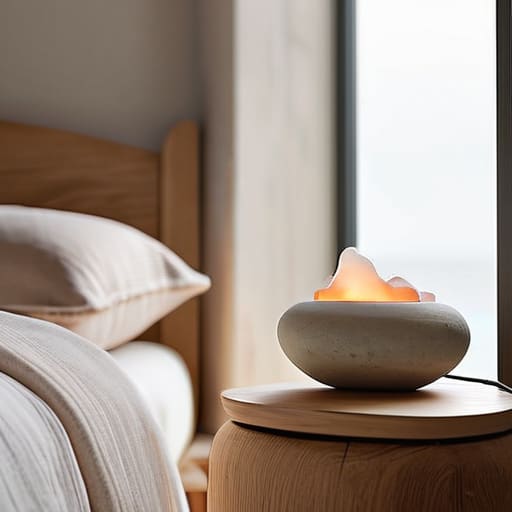
As we’ve explored, achieving truly restorative sleep isn’t about a single overnight transformation; it’s about the gentle, cumulative impact of our daily choices. From the way we curate our physical space with a sense of coastal calm to the intentionality we bring to our evening hygiene rituals, every small adjustment serves as a building block for better health. By treating our sleep environments and habits with the same respect we give to the natural world, we aren’t just fixing a biological necessity—we are actively cultivating a lifestyle of mindfulness that honors both our bodies and our mental clarity.
I often think back to those quiet mornings on the Maine coast, watching the tide slowly reshape the shoreline. Change, much like the ocean, doesn’t happen all at once, but through consistent, rhythmic movement. I encourage you to view your journey toward better sleep through that same lens. Don’t feel pressured to overhaul your entire life by tomorrow morning. Instead, pick one small, sustainable shift—perhaps a tech-free wind-down or a more soothing bedroom scent—and let it take root. Remember, when we align our personal rhythms with a more intentional way of living, we create the space to truly thrive.
Frequently Asked Questions
How can I transition to a more sustainable sleep routine without it feeling overwhelming or expensive?
Think of it like tending to a new garden; you don’t plant everything at once. Start small by swapping one synthetic item for a natural one, like a bamboo pillowcase or organic cotton sheets. You can even upcycle what you have! Instead of buying new, try washing your existing bedding in eco-friendly, scent-free detergents. It’s about those gentle, intentional shifts rather than a total overhaul—making progress, not perfection, is where the real magic happens.
Are there specific eco-friendly materials or natural textiles I should look for in bedding to help regulate my body temperature?
When it comes to temperature regulation, think of your bedding like a breathable coastal breeze. I’m a huge advocate for organic linen and bamboo; they’re incredibly moisture-wicking and keep you cool during those humid summer nights. If you prefer something a bit more cozy, look for Tencel—it’s derived from wood pulp and feels wonderfully silky. Choosing these natural, biodegradable fibers isn’t just better for your sleep cycle; it’s a beautiful way to honor the planet.
Can digital detoxing actually improve my sleep quality, or is it just another wellness trend?
It’s definitely more than just a passing trend; it’s about reclaiming your natural rhythm. Think of it like a digital tide coming in—constant notifications and blue light act as a relentless wave that keeps our brains in high alert. By stepping away from the screen, you’re essentially letting the mental silt settle. This intentional pause allows your nervous system to transition from “always on” to that restorative, quiet state we all need to truly recharge.
