
Desk Stretches to Undo a Day of Sitting
I remember sitting in my old studio in New York, the blue light of my monitor washing over me while the hum of the city buzzed outside. I’d spend hours hunched over a keyboard, completely lost in a digital project, only to realize my shoulders felt like they were made of solid granite. It’s that heavy, stagnant feeling we all know too well—that physical disconnect that happens when we let our work consume our presence. I used to think I needed a fancy ergonomic chair or a high-end wellness retreat to fix it, but I’ve learned that the most effective desk stretches aren’t about expensive gear; they are about reclaiming small, intentional moments of movement amidst the chaos of a busy workday.
I’m not here to sell you on a complicated thirty-minute yoga routine that you’ll never actually have time to do. Instead, I want to share a few resourceful, no-nonsense movements that I’ve integrated into my own life to stay grounded and agile. Think of this as a toolkit for the modern professional: simple, effective, and designed to fit seamlessly into your existing flow. We’re going to focus on practical ways to nurture your body right where you sit, ensuring you stay energized for the bigger, more meaningful things waiting for you outside the screen.
Table of Contents
Relieve Neck Tension at Work With Mindful Flow
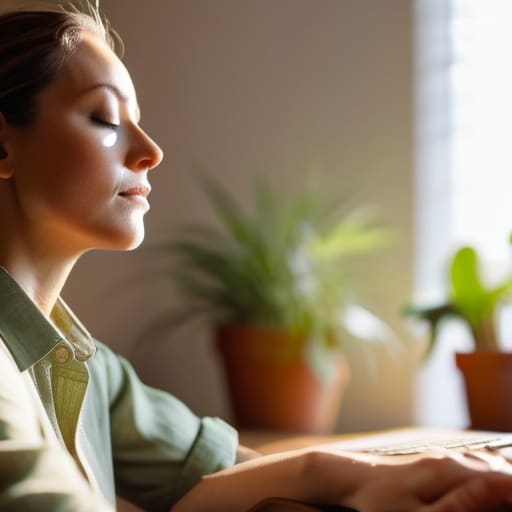
We’ve all been there—hunched over a glowing screen, feeling that familiar, heavy tightness creeping up from our shoulders. It’s easy to lose ourselves in the digital flow, but our bodies often pay the price for our focus. To relieve neck tension at work, I like to think of my neck as a delicate coastal willow; it needs flexibility, not rigidity. Try a simple seated ear-to-shoulder stretch. Slowly drop your right ear toward your right shoulder, holding for three deep breaths, and feel that immediate release of pressure. It’s a small, quiet moment of recalibration that keeps you grounded.
If you find yourself leaning forward into your monitor, you might also benefit from incorporating some gentle posture correction exercises into your midday routine. Try the “chin tuck”: pull your head straight back as if making a double chin, lengthening the back of your neck. This simple movement helps reset your alignment, countering the “tech neck” we all struggle with. Think of it as realigning your internal compass so you can return to your tasks with a clearer, more centered perspective.
Seated Yoga for Professionals to Restore Inner Balance
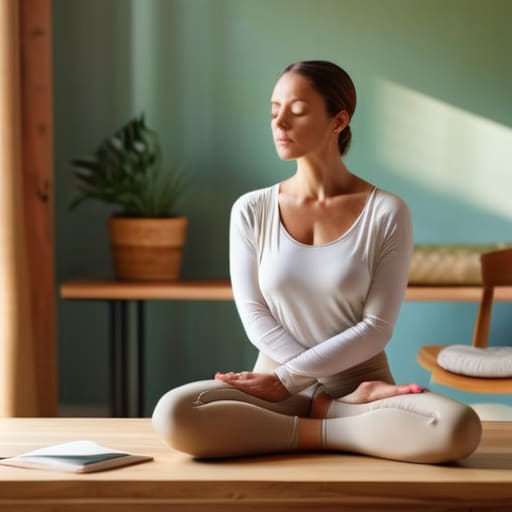
When the midday rush hits and your focus starts to flicker, I find that shifting from a mindset of “output” to one of “presence” is a game-changer. Much like how I tend to my beehives, requiring patience and a steady hand, your body needs those quiet moments of recalibration to function at its best. Incorporating seated yoga for professionals isn’t about performing a complex routine; it’s about finding a sense of groundedness amidst the digital noise. Try a seated spinal twist: sit tall, place your left hand on your right knee, and gently rotate to look over your shoulder. It’s a beautiful way to realign your energy and release the physical weight of the morning’s emails.
Beyond just mental clarity, these movements serve as vital posture correction exercises that keep us from becoming hunched over our screens. As we lean into our devices, we often forget the space between our ears and our shoulders. By integrating slow, intentional flows—like a gentle seated cat-cow—you can actively work on preventing lower back pain sitting for long stretches. Think of it as a small, restorative ritual to honor your physical self while you navigate your professional world.
Small Rituals of Renewal: Five Ways to Reclaim Your Vitality
- Listen to your body’s subtle cues, much like watching the tide turn; if you feel a tightness creeping in, don’t wait for a full-blown ache to take a mindful movement break.
- Incorporate “micro-movements” throughout the day, treating each quick stretch like a small, intentional seed planted toward your long-term physical well-being.
- Use a standing desk or a makeshift elevation for short intervals, mirroring the way we shift our perspectives to see the beauty in a new landscape.
- Pair your stretches with deep, rhythmic breathing to anchor yourself, creating a momentary sanctuary of calm amidst the digital whirlwind of your workday.
- Keep your workspace inviting with a few natural elements, like a small plant or a piece of sea glass, to remind you that even in a high-tech world, we are deeply connected to the physical rhythm of nature.
Small Shifts for a More Sustainable You
Think of these stretches not as chores, but as brief, intentional moments to reconnect with your body, much like taking a slow breath during a coastal sunset.
Consistency is more impactful than intensity; integrating these tiny movements into your daily routine creates a lasting ripple effect for your long-term well-being.
Listen to your body’s unique rhythm, treating your physical health with the same mindful care and respect you give to the natural world around you.
Finding Your Flow in the Digital Grind
“Just as we must tend to our urban hives to keep them thriving, we have to tend to our own bodies amidst the digital rush; a simple desk stretch isn’t just a break—it’s a small, intentional act of self-stewardship that keeps our inner ecosystem in balance.”
Jordan Mitchell
Nurturing Your Natural Rhythm

As we’ve explored today, finding moments to breathe and move amidst the digital hustle isn’t just about physical relief; it’s about reclaiming your space. Whether you are easing that persistent tightness in your neck with mindful flow or using seated yoga to find your center during a hectic afternoon, these movements serve as vital checkpoints for your well-being. Integrating these small, intentional stretches into your daily routine helps prevent the stagnation that so often comes with a desk-bound lifestyle. Remember, just like tending to a coastal garden, consistency is what allows for long-term growth and resilience. By prioritizing these micro-moments of movement, you are actively protecting your most valuable resource: your health.
At the end of the day, I like to think of these stretches as small ripples in a much larger ocean of self-care. We often feel like we need to make massive, sweeping changes to see an impact, but true transformation is almost always built on the foundation of tiny, daily victories. Taking five minutes to reconnect with your body is a beautiful way to honor the vessel that carries you through this life. So, as you close your laptop and transition out of your workspace, carry that sense of intentionality with you. Let’s continue to prove that living sustainably starts with how we treat ourselves, one mindful breath at a time.
Frequently Asked Questions
Are there specific stretches I should avoid if I already have chronic back pain from sitting too long?
I’m so glad you asked, because listening to your body is the ultimate form of mindfulness. If you’re dealing with chronic back pain, please steer clear of deep, aggressive spinal twists or intense forward folds that force a rounded back; these can sometimes aggravate compressed discs. Instead, think of it like working with delicate sea glass—be gentle. Focus on gentle, supported movements and always prioritize comfort over intensity. If it stings, back off.
How often should I actually be stepping away from my screen to make these movements effective?
Think of it like tending to my urban beehives; you can’t just walk up once a week and expect everything to thrive. Consistency is everything. I find that setting a gentle rhythm—aiming for a quick two-minute movement break every 45 to 60 minutes—works wonders. It prevents that heavy, stagnant feeling from setting in. Even if it’s just a momentary pause to breathe and reset, those small, frequent intervals are where the real transformation happens.
Can I do these stretches without looking too "out of place" or disruptive in a busy office setting?
I completely hear you—the last thing anyone wants is to feel like they’re drawing unwanted attention during a hectic workday. Think of these movements more like subtle, intentional resets rather than a full yoga session. Most of these are “micro-movements” that look just like a natural shift in posture. By keeping them low-key and rhythmic, you’re not disrupting the office flow; you’re simply reclaiming a moment of calm amidst the digital noise.
