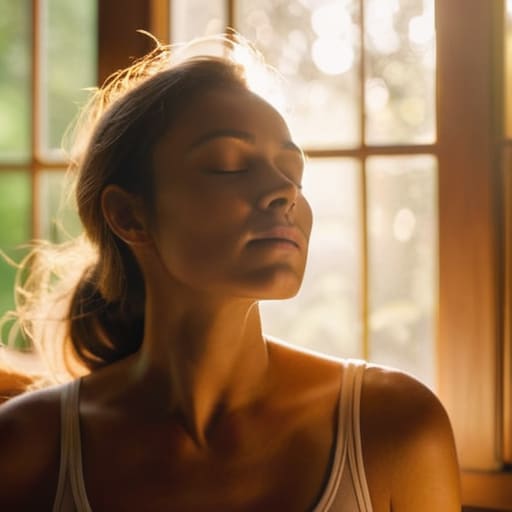
Breathing Exercises That Calm You Down in Minutes
I remember sitting on a jagged cliffside back in Maine, the salt spray hitting my face and the rhythmic crash of the Atlantic providing the only soundtrack I needed. But even then, during those moments of supposed peace, my mind would race with deadlines and digital noise, making it feel like my lungs were physically too small for the air I needed. We’ve been told that finding calm requires expensive retreats or high-tech biofeedback gadgets, but honestly, that’s just more clutter in an already crowded life. Real breathing exercises for stress shouldn’t feel like another chore on your to-do list or a luxury you can’t afford; they should be as effortless and natural as the tide coming in.
I’m not here to sell you on a mystical transformation or a complicated ritual that takes an hour of your day. Instead, I want to share the practical, grounded techniques that I actually use when the digital world feels like it’s closing in. I promise to give you straightforward, experience-based methods that you can integrate into your existing routine without any of the fluff. Let’s strip away the hype and focus on reclaiming your natural rhythm, one intentional breath at a time.
Table of Contents
- Harnessing Diaphragmatic Breathing Benefits for Inner Stillness
- Mastering Box Breathing for Anxiety in Lifes Storms
- Integrating Breath into Your Daily Rhythm: 5 Ways to Stay Grounded
- Bringing the Calm Home: Small Steps to Lasting Peace
- The Rhythm of Resilience
- Finding Your Rhythm in the Chaos
- Frequently Asked Questions
Harnessing Diaphragmatic Breathing Benefits for Inner Stillness

When I was working in the fast-paced world of digital media, I often felt my breath becoming shallow and frantic—that classic “fight or flight” response that leaves you feeling completely unmoored. One of the most transformative shifts I made was leaning into diaphragmatic breathing benefits. Instead of letting my chest do all the heavy lifting, I started focusing on expanding my belly with every inhale. This simple shift is a direct line to parasympathetic nervous system activation, essentially sending a biological signal to your brain that the coast is clear and it is safe to relax.
It isn’t just about feeling calmer in the moment; it’s about physiological recalibration. By consciously slowing down the tempo of your breath, you are actively engaging in breathing for cortisol reduction, helping to wash away that lingering chemical residue of a high-pressure day. I like to think of it as clearing the silt from a tidal pool—once the turbulence settles, the water becomes clear again. When you master this rhythmic, deep connection to your core, you aren’t just managing tension; you are cultivating a sustainable internal ecosystem.
Mastering Box Breathing for Anxiety in Lifes Storms

We’ve all had those moments where life feels less like a gentle tide and more like a sudden Atlantic gale—sudden, overwhelming, and impossible to ignore. When that internal storm hits and your heart starts racing, I find that box breathing for anxiety is my most reliable anchor. It’s a rhythmic, structured technique that acts like a stabilizer for your entire system. By inhaling, holding, exhaling, and holding again for equal counts, you aren’t just counting numbers; you are intentionally signaling to your brain that you are safe.
This practice is particularly powerful because it facilitates direct parasympathetic nervous system activation, effectively pulling the emergency brake on your body’s fight-or-flight response. Instead of letting a stressful email or a chaotic morning spiral out of control, this method allows you to reclaim your composure. It’s about creating a mental container for your tension, much like how I use found sea glass to frame a beautiful piece of art. By mastering this simple rhythm, you learn how to navigate life’s unpredictable swells with a sense of grounded, quiet strength.
Integrating Breath into Your Daily Rhythm: 5 Ways to Stay Grounded
- Create a “Breath Anchor” in your routine. Just like I check on my beehives every morning, try linking a specific breathing pattern to a daily habit—like your first cup of coffee or your commute—to make mindfulness feel less like a chore and more like a natural part of your day.
- Curate your sensory environment. It’s hard to find stillness if your space feels chaotic; try dimming the lights or adding a touch of nature, perhaps a small succulent or even a piece of sea glass on your desk, to signal to your nervous system that it’s safe to slow down.
- Use the “Nature Reset” technique. When the digital noise gets too loud, step outside for just five minutes. Mimic the steady, rhythmic ebb and flow of the Maine tides with your breath, letting the fresh air act as a physical reset button for your stress levels.
- Practice micro-sessions throughout the day. You don’t need a meditation cushion and an hour of silence to see results; even sixty seconds of intentional, deep inhales during a hectic workday can prevent that “overflowing” feeling and keep you centered.
- Listen to your body’s subtle cues. Instead of waiting for a full-blown anxiety spike, learn to recognize the tension in your shoulders or the shallow rise of your chest. Treat these physical signals as gentle nudges to pause and reclaim your calm before the storm hits.
Bringing the Calm Home: Small Steps to Lasting Peace
Think of your breath as an anchor; just as the tide eventually settles after a storm, using techniques like box breathing helps you find your center when life feels particularly turbulent.
Consistency is more impactful than intensity—incorporating just a few minutes of diaphragmatic breathing into your daily rhythm can create a sustainable foundation for long-term mental resilience.
Listen to your body’s natural cues to reset, treating these breathing rituals not as chores, but as intentional moments of self-care that honor your connection to your own inner landscape.
The Rhythm of Resilience
“Just as the tide eventually finds its way back to a steady rhythm against the Maine coastline, our breath serves as a natural anchor, reminding us that even in life’s most turbulent storms, we have the innate power to find our way back to center.”
Jordan Mitchell
Finding Your Rhythm in the Chaos

As we’ve explored, reclaiming your calm doesn’t require a complete lifestyle overhaul or a retreat to a remote cabin; it simply starts with the air moving in and out of your lungs. Whether you are leaning into the deep, grounding power of diaphragmatic breathing to settle your nervous system or using the structured cadence of box breathing to weather a sudden mental storm, these tools are always within your reach. By integrating these intentional pauses into your daily routine, you aren’t just managing stress—you are actively building a resilient foundation for your mental well-being, much like the steady, rhythmic ebb and flow of the Atlantic tides back home in Maine.
I like to think of these breathing rituals as small, sustainable seeds planted in the garden of your daily life. Just as a single sea glass fragment tells a story of patience and transformation, each mindful breath serves as a tiny, intentional act that contributes to a much larger shift in your internal ecosystem. Don’t feel pressured to be perfect; just aim to be present. Remember, the goal isn’t to eliminate the storms of life, but to learn how to breathe through them with grace and steady purpose. You have the power to transform your inner landscape, one breath at a time.
Frequently Asked Questions
How can I tell if I'm actually breathing deeply enough versus just shallowly chest-breathing?
It’s a common struggle—most of us spend our days stuck in that shallow, “survival mode” chest breathing. A quick way to tell is by placing one hand on your chest and the other on your belly. If you breathe deeply, only your bottom hand should move, while your chest stays relatively still. Think of it like the tide coming in; your abdomen should gently expand outward, creating space for a full, calming breath.
Are there specific times during a busy workday when these exercises might be most effective without feeling awkward?
I totally get that—nobody wants to look like they’re meditating mid-meeting! I find the best moments are those “micro-transitions.” Try a few rounds of box breathing while your coffee is brewing or during that awkward minute when you’re waiting for a Zoom call to start. Even a quick, subtle diaphragmatic breath while reading an email can reset your nervous system without anyone ever noticing. It’s about finding those quiet gaps in the digital rush.
Can practicing these breathing techniques help me connect more deeply with my surroundings when I'm outdoors?
Absolutely. I’ve found that when I’m out on a coastal trail or tending to my hives, breathing isn’t just about calming my nerves—it’s a bridge. By slowing your rhythm, you stop rushing through nature and start experiencing it. It shifts your focus from your internal chatter to the tactile reality of the world: the scent of pine, the texture of the earth, and the subtle movement of the wind. It’s pure presence.
