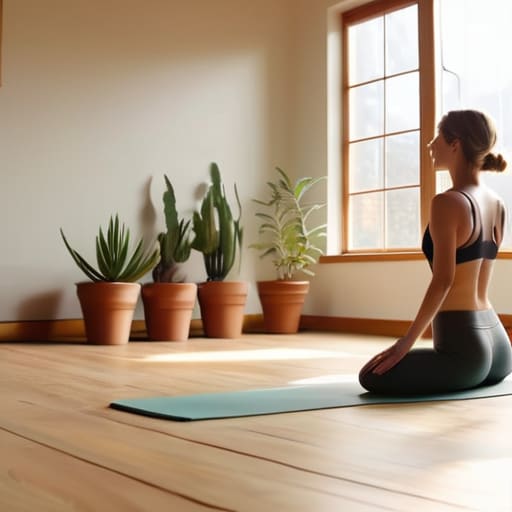
Yoga for Beginners: Poses to Start With Today
I remember sitting on a weathered driftwood log back in Maine, watching the tide pull away from the shore, and feeling that same restless, disconnected energy I feel now in the middle of a bustling city. I used to think that starting yoga for beginners required a pristine, minimalist studio and a wardrobe of expensive, high-tech leggings that cost more than my monthly grocery bill. Honestly? That whole aesthetic is just performative noise that keeps people from actually connecting with themselves. We’ve turned a practice of grounding and presence into a luxury commodity, making it feel inaccessible to anyone who doesn’t fit a specific, polished mold.
I’m not here to sell you a lifestyle or a filtered version of wellness; I’m here to share what actually works when you’re trying to find your center amidst the chaos. In this guide, I’m stripping away the hype to give you a practical, no-nonsense roadmap to starting your practice. We’ll focus on intentional movement and mindful breathing—the kind of sustainable habits that actually stick. Think of this as your permission slip to start exactly where you are, without the need for fancy gear or perfection.
Table of Contents
Mastering Yoga Breathing Techniques for Beginners
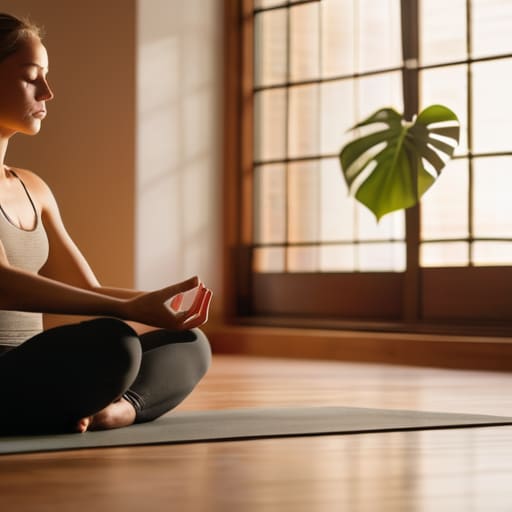
Before you even step onto your mat, the real magic of yoga begins with your breath. I like to think of it as the anchor that keeps you steady when the world feels a bit too chaotic—much like how the rhythmic tide keeps the Maine coast in balance. When exploring yoga breathing techniques for beginners, the goal isn’t to achieve perfection, but to find a sense of presence. Start by simply noticing the air entering your lungs. Try the “Ujjayi” breath, where you slightly constrict your throat to create a soft, ocean-like sound. It’s a beautiful way to deepen that mindfulness and yoga connection, turning a simple physical exercise into a moving meditation.
As you settle into your practice, let your breath dictate your pace rather than forcing your body into rigid shapes. If you find yourself holding your breath during a tricky pose, that’s your signal to soften. Integrating intentional breathing into your daily yoga routine for flexibility ensures that you aren’t just stretching muscles, but also releasing stored tension from your nervous system. It’s about creating a sustainable rhythm that honors your body’s natural boundaries.
Essential Yoga Props for Home Practice
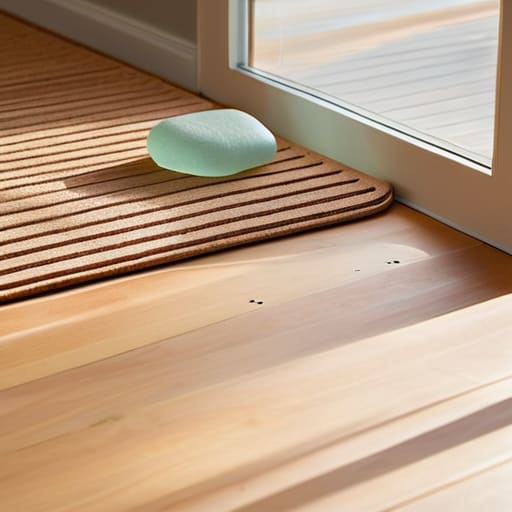
When you’re setting up your little sanctuary at home, don’t feel like you need a studio-grade setup to make it meaningful. Much like how I carefully curate my sea glass collections, choosing the right tools is about intention rather than excess. If you’re just starting out, investing in a few essential yoga props for home practice can be a total game-changer. A high-quality, non-toxic cork mat is a wonderful place to start; it feels grounded and organic underfoot, much like the textured sand of my childhood beaches in Maine.
Beyond the mat, I highly recommend incorporating a couple of firm blocks and a soft bolster. These aren’t just “extra” items; they act as extensions of your own limbs, helping you find stability when your balance feels a bit wobbly. Using props allows you to deepen your daily yoga routine for flexibility without straining your joints or losing that sense of calm. Think of them as your supportive companions, helping you bridge the gap between where you are and where you want to be, ensuring every movement feels both safe and deeply restorative.
Cultivating Your Practice: Five Ways to Root Your Yoga Journey
- Listen to your body’s internal compass. Just like reading the tides back home in Maine, your body will tell you when to push and when to retreat. Yoga isn’t a competition; it’s a conversation between your breath and your muscles. If a pose feels like a strain rather than a stretch, honor that feeling and back off.
- Create a sanctuary, not just a workout space. You don’t need a dedicated studio to find your center. Even a small corner of your living room, cleared of clutter and perhaps adorned with a few pieces of sea glass or a favorite plant, can become a sacred space that signals to your brain it’s time to decompress.
- Prioritize consistency over intensity. I’ve learned through my urban beekeeping that small, daily rhythms are what build a thriving ecosystem. Similarly, ten minutes of mindful movement every morning will do far more for your nervous system than one grueling hour-long session once a week.
- Embrace the beauty of imperfection. In my digital media days, I learned that the most authentic stories aren’t the most polished ones. Your yoga practice is the same. Don’t worry about looking like a professional in a social media reel; focus on the sensation of the movement and the stillness you find within it.
- Connect your practice to a larger purpose. When you move with intention, you aren’t just stretching your hamstrings—you’re cultivating the patience and mindfulness needed to show up more fully for the world around you. Let your mat be the place where you recharge your capacity for kindness and environmental stewardship.
Cultivating Your Practice: Three Paths to Mindful Movement
View yoga not as a rigid workout, but as a rhythmic ritual—much like the ebb and flow of the Maine tides—where the goal is connection rather than perfection.
Embrace the “resourceful” approach to your space by using what you already own, like firm pillows or thick books, to support your body and reduce unnecessary consumption.
Remember that sustainability extends to your own energy; listen to your body’s cues to ensure your practice nourishes you rather than depleting you.
Finding Your Center
“Think of your first yoga practice not as a performance to be mastered, but as a way to ground yourself—much like the steady rhythm of the Maine tides—allowing each intentional breath to reconnect you to the natural world within.”
Jordan Mitchell
Embracing Your Personal Flow
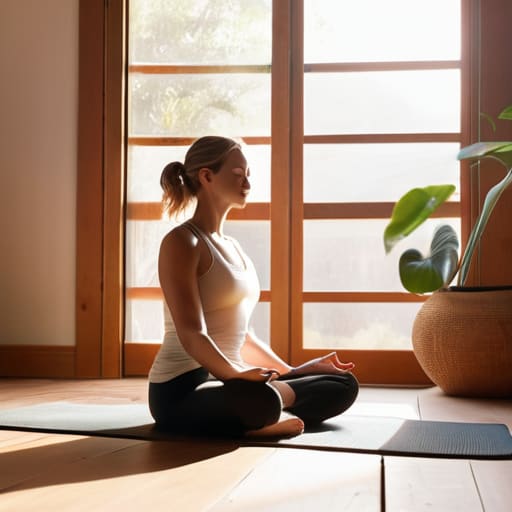
As you begin this journey, remember that yoga is far more than just a series of physical postures; it is a holistic practice of returning to yourself. By mastering those foundational breathing techniques, you’ve already unlocked a way to calm your nervous system, and by curating your own space with mindful props, you’ve created a sanctuary for growth. Whether you are working with a high-end mat or a repurposed cushion from a local thrift shop, the goal is to build a practice that is authentically yours. Don’t worry about achieving perfect alignment right away; instead, focus on how each movement feels and how your breath supports your body through the transition. It is about cultivating consistency over perfection, allowing your practice to evolve as naturally as the tides back home in Maine.
Ultimately, I hope you view your yoga mat as a place to practice the same intentionality we strive for in our sustainable lifestyles. Just as one small, eco-conscious choice can ripple outward to change an ecosystem, each mindful breath you take serves as a building block for a more grounded, resilient version of yourself. Let this practice be your daily moment of intentional stillness in an otherwise chaotic world. Trust the process, be patient with your progress, and remember that every single session is a victory for your well-being. Namaste, and happy flowing.
Frequently Asked Questions
How can I tell if I'm pushing my body too far versus just feeling a healthy, productive stretch?
Listen, I get it—there’s a fine line between a rewarding stretch and overdoing it. Think of it like navigating a coastal tide: you want to feel the pull, but you never want to get swept away. A healthy stretch feels like a deep, productive release, often accompanied by a bit of heat. But if you feel sharp, stabbing pain or a sense of panic, that’s your body’s way of saying “stop.” Honor those signals; sustainability applies to your body, too.
Do I really need a fancy mat to start, or can I find a way to practice that's more resourceful and budget-friendly?
Honestly, you absolutely do not need a high-end, designer mat to begin your journey. I’m a big believer in resourceful living, so why invest a fortune before you even know if it sticks? If you’re looking to be budget-friendly and eco-conscious, try a thick, repurposed cotton rug or even a few layered towels on a firm carpet. It’s about finding what grounds you—much like the textures I find in my DIY projects.
How do I stay consistent with a practice when my daily schedule feels like it's constantly pulling me in different directions?
I totally get it—life can feel like a chaotic tide pulling you away from your center. When my schedule gets overwhelming, I stop viewing yoga as a “destination” and start seeing it as micro-moments of intention. Even five minutes of mindful stretching between meetings counts. Think of it like tending to my bees; consistency isn’t about grand gestures, but showing up in small, sustainable ways that honor your rhythm without burning out.
