Sleep Hygiene Tips for Deeper, Better Rest
I remember sitting on my porch in Maine last autumn, watching the tide pull away from the shore, feeling completely disconnected from the natural rhythms of the world. My mind was racing with digital deadlines and project spreadsheets, making the very idea of “rest” feel like another chore on an endless to-do list. We’ve been sold this idea that achieving deep sleep requires a suite of expensive, high-tech gadgets or a complete lifestyle overhaul, but honestly? Most of the mainstream sleep hygiene tips I see online feel more like consumerist clutter than actual wellness. It’s frustrating when the pursuit of rest becomes just another way to consume rather than a way to reconnect.
I’m not here to sell you a $300 weighted blanket or a subscription to a meditation app you won’t use. Instead, I want to share a more intentional, resourceful approach to reclaiming your nights. I’ll be walking you through practical, low-impact shifts that align your environment with your body’s natural needs—focusing on simplicity and sustainable habits. My goal is to provide you with honest, experience-based guidance that helps you cultivate a restorative sanctuary without the unnecessary hype.
Table of Contents
- Circadian Rhythm Regulation Syncing Your Soul With Natures Pace
- Optimizing Your Sleep Environment for a Serene Sanctuary
- Mindful Transitions: Five Rituals to Anchor Your Rest
- Small Shifts, Big Impact: Your Sustainable Sleep Blueprint
- The Ripple Effect of Rest
- Finding Your Natural Rhythm
- Frequently Asked Questions
Circadian Rhythm Regulation Syncing Your Soul With Natures Pace

Circadian rhythm regulation is more than just a biological concept; it’s about finding your personal tempo within the larger symphony of the natural world. Growing up in Maine, I watched how the tides and the shifting coastal light dictated the rhythm of life, and I’ve realized our bodies crave that same connection. When we ignore these natural cycles, we often face the heavy sleep deprivation effects that cloud our creativity and drain our energy. To truly thrive, we need to stop fighting our biology and start dancing to its beat.
One of the most impactful ways to begin this alignment is by being mindful of blue light exposure and sleep. Our modern devices act like artificial suns, tricking our brains into thinking the day is still unfolding long after the sun has dipped below the horizon. By dimming the lights and swapping screen time for a few quiet moments of reflection, you aren’t just resting—you are reclaiming your internal compass. This simple shift helps signal to your nervous system that it is finally safe to let go, allowing you to drift into a restorative slumber that feels as natural as the turning of the seasons.
Optimizing Your Sleep Environment for a Serene Sanctuary
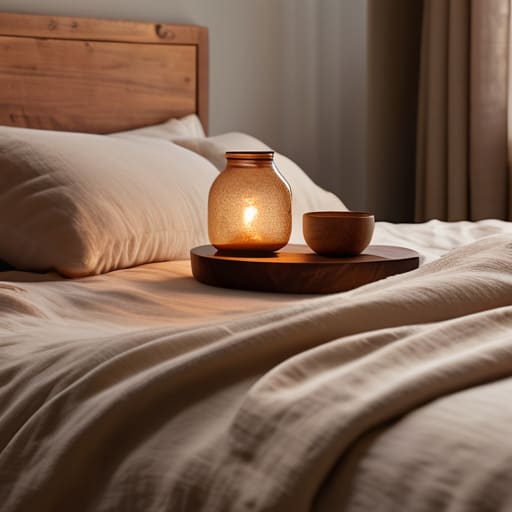
Think of your bedroom not just as a place to crash, but as a sacred sanctuary designed for restoration. Just as I carefully curate my workspace to foster creativity, optimizing your sleep environment is about removing the friction between you and deep, restorative rest. I’ve found that even the smallest sensory shifts—like swapping out harsh, overhead lighting for the soft glow of a salt lamp or choosing organic linen sheets—can signal to your nervous system that the day’s labor is officially over.
One of the most significant hurdles we face in our hyper-connected world is the constant pull of our devices. We often underestimate how much blue light exposure and sleep quality are intrinsically linked; that late-night scroll through social media is essentially a digital sunrise, tricking your brain into staying alert. To combat this, try creating a “tech-free zone” an hour before bed. Instead, lean into tactile, grounding activities—perhaps a bit of journaling or a gentle stretch—to cultivate a space where your mind can finally drift into a peaceful, natural slumber.
Mindful Transitions: Five Rituals to Anchor Your Rest
- Digital Sunset: Treat your evening screen time like a fading tide; instead of the harsh glare of blue light, let your devices drift away an hour before bed to allow your mind to settle into a natural, quiet rhythm.
- Conscious Consumption: Be mindful of what you invite into your body after sundown, opting for calming herbal infusions over caffeine to ensure your internal ecosystem remains balanced and ready for stillness.
- The Art of Unloading: Much like tidying a workspace, try a “brain dump” in a physical journal to offload the day’s mental clutter, preventing those lingering to-do lists from disrupting your nightly peace.
- Temperature Harmony: Aim for a cool, breathable sleeping space—think of it as the refreshing breeze of a Maine evening—to help your body temperature drop naturally as you drift into deep rest.
- Sensory Grounding: Incorporate gentle, natural scents like lavender or cedarwood into your routine to create an olfactory anchor that signals to your nervous system that it is finally safe to let go.
Small Shifts, Big Impact: Your Sustainable Sleep Blueprint
Think of your sleep hygiene not as a rigid checklist, but as a gentle, intentional ritual—much like tending to a coastal garden—that honors your body’s natural need for restorative rhythm.
By curating a low-impact, serene sanctuary, you aren’t just improving your rest; you’re creating a mindful space that aligns your modern lifestyle with the grounding energy of the natural world.
Remember that true environmental change starts with the small, daily victories we win within ourselves, and a well-rested mind is your most powerful tool for living an eco-conscious, purposeful life.
The Ripple Effect of Rest
“Think of your nightly routine not as a chore, but as a gentle way of tending to your own internal ecosystem; when we honor our need for rest, we create the steady, calm energy required to show up fully for the world and the planet every single day.”
Jordan Mitchell
Finding Your Natural Rhythm

As we’ve explored, reclaiming your rest isn’t about achieving some impossible standard of perfection; it’s about the intentionality of your daily rhythms. By honoring your circadian rhythm and curating a bedroom that feels more like a tranquil coastal retreat than a mere sleeping quarters, you are setting the foundation for a more resilient self. Whether it’s dimming the lights as the sun dips below the horizon or swapping out digital noise for the quiet stillness of a nighttime ritual, these small shifts in your environment and habits act as the building blocks for long-term wellness and environmental harmony.
Ultimately, I want you to view your sleep hygiene not as a chore on a checklist, but as an act of profound self-stewardship. Just as I carefully tend to my urban beehives or hunt for the perfect piece of sea glass, tending to your rest requires patience, presence, and a gentle touch. Remember, the most significant environmental changes often begin with the way we care for our own internal ecosystems. Start small, be kind to yourself through the process, and trust that by nurturing your own vitality, you are better equipped to show up fully for the world around you.
Frequently Asked Questions
How can I maintain a consistent sleep schedule when my work life or social commitments feel unpredictable?
Navigating the ebb and flow of a busy life can feel like trying to find rhythm in a restless tide. When your schedule shifts, focus on “anchor habits” rather than rigid hours. Even if your bedtime fluctuates, try to keep your morning ritual—like a moment of sunlight or a quiet cup of tea—consistent. By creating these small, predictable islands of stability, you signal to your body that it’s safe to rest, regardless of the chaos outside.
Are there specific eco-friendly or non-toxic materials I should look for when choosing bedding to ensure my sleep sanctuary is truly healthy?
When curating your sleep sanctuary, think of your bedding as a second skin. To keep things truly non-toxic, steer clear of synthetic polyesters that trap heat and chemicals. Instead, look for organic cotton, linen, or Tencel—materials that breathe beautifully and feel like a gentle coastal breeze. Always check for certifications like GOTS (Global Organic Textile Standard) to ensure no harsh pesticides or dyes touch your skin. It’s about choosing comfort that honors both you and the Earth.
If I struggle with nighttime anxiety, what are some gentle, low-tech rituals I can use to wind down without reaching for my phone?
When the nighttime anxiety starts to feel like a rising tide, reach for something tactile rather than digital. I love turning to a simple, analog ritual—like sketching in a journal or even just sorting through my latest sea glass collection. It grounds your senses. Try a warm herbal tea or a few minutes of gentle stretching. These low-tech moments act as an anchor, pulling you away from the digital noise and back to your own steady rhythm.
