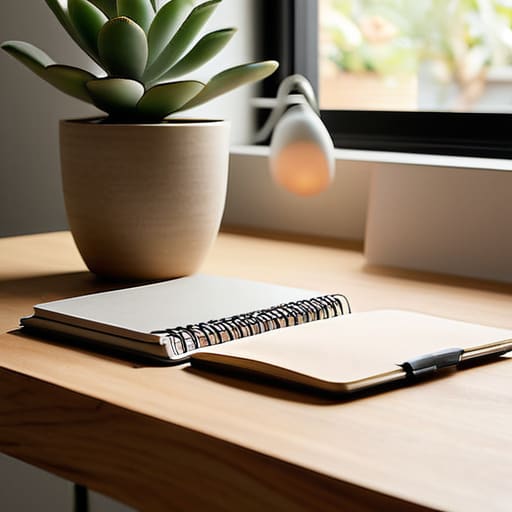
How to Set Up a Workspace That Helps You Focus
I remember sitting in my tiny apartment after graduation, surrounded by a mountain of cheap, plastic organizers and a desk that felt more like a graveyard for discarded gadgets than a place of creation. I was convinced that if I just bought that specific ergonomic chair or the latest high-tech gadget, I’d finally figure out how to build a productive workspace that actually worked. But all those shiny, mass-produced items just added to the noise, making my small corner feel cluttered and disconnected from the natural rhythm I craved. It turns out, true focus isn’t something you can buy in a box; it’s something you cultivate through intentionality and a bit of soulful design.
I’m not here to sell you on expensive, landfill-bound tech or complicated organizational systems that break within a month. Instead, I want to share a more grounded approach to setting up your creative sanctuary—one that prioritizes sustainability, mental clarity, and resourceful DIY solutions. We’re going to look at how to curate a space that breathes, blending modern functionality with the kind of natural elements that actually fuel your focus. Let’s transform your desk from a source of stress into a purposeful ecosystem where your best ideas can truly flourish.
Table of Contents
Ergonomic Office Setup Tips for Mindful Movement
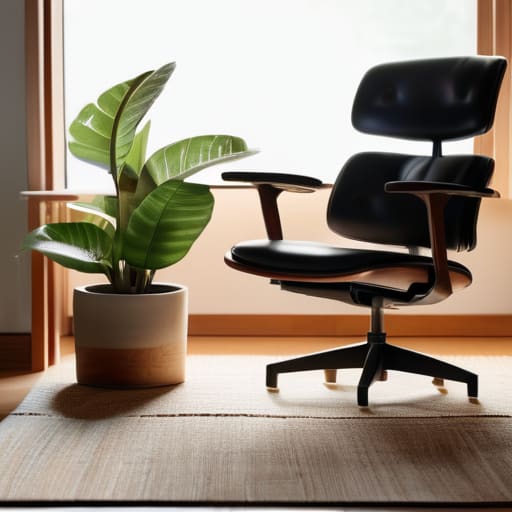
We often treat our desks like static monuments, but I’ve learned that a truly effective space needs to breathe alongside you. If you’re feeling that mid-afternoon slump, it might not be a lack of caffeine; it could be your physical alignment. When looking for ergonomic office setup tips, don’t just focus on the gear—focus on the flow. I like to think of my chair and desk as partners in a dance. Your monitor should be at eye level to prevent that dreaded “tech neck,” and your feet should rest flat, grounding you just like my feet do on the Maine coastline.
Movement is the secret ingredient to sustained energy. Instead of staying frozen in one position for hours, try integrating micro-movements into your routine. Perhaps you use a standing desk converter for an hour, or simply stretch your wrists between deep-work sessions. By improving workflow with desk layout—keeping your most-used tools within an easy, natural reach—you reduce the repetitive strain that pulls you out of your creative zone. A workspace that respects your body’s need for motion is a workspace that truly supports your soul.
Workspace Lighting for Focus and Natural Flow
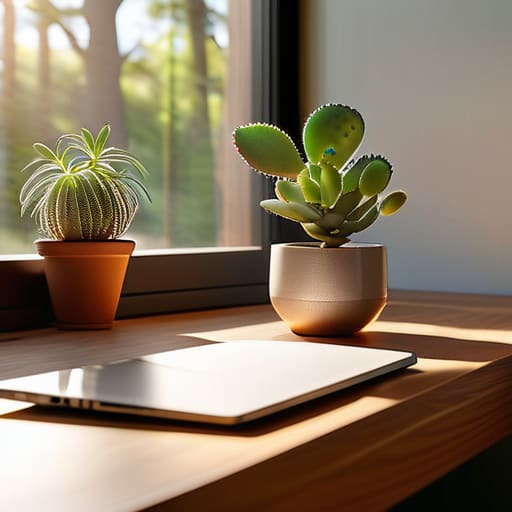
We often overlook how much the quality of light dictates our internal rhythm. I’ve found that leaning into natural light is the most effective way of improving workflow with desk layout, as it aligns our circadian rhythms with the natural world. If you can, position your desk near a window to catch those soft, morning hues. However, be mindful of glare on your screen; there’s nothing quite as draining as squinting through a reflection all afternoon.
When the sun dips low, this is where intentionality comes in. Instead of relying on a harsh, overhead fluorescent bulb that feels more like a sterile lab than a creative sanctuary, try layering your light. I love using a mix of warm-toned LED desk lamps and even a few salt lamps to create a soft, diffused glow. Prioritizing workspace lighting for focus isn’t just about seeing your keyboard; it’s about creating a visual atmosphere that signals to your brain it’s time to dive deep. When the lighting feels right, the transition from “busy mode” to “flow state” feels almost effortless.
Cultivating Your Creative Ecosystem: 5 Ways to Ground Your Workspace
- Curating a Minimalist Desktop: Think of your physical desk like a small ecosystem; when you clear the digital and physical clutter, you make room for your most intentional ideas to actually breathe and grow.
- Integrating Living Decor: Bring the outside in by adding a few hardy indoor plants, like a Snake Plant or Pothos, which not only purify your air but provide a vital, calming connection to the natural world while you work.
- Sourcing Sustainable Tools: Swap out those single-use plastic organizers for something with a story—think reclaimed wood trays, cork mats, or even a beautiful glass jar you found on a beach walk to hold your pens.
- The Power of Olfactory Anchors: Use essential oil diffusers with scents like cedarwood or eucalyptus to signal to your brain that it’s time to focus, creating a sensory ritual that bridges the gap between a chaotic day and a productive flow.
- Intentional Soundscapes: Instead of harsh white noise, try layering your environment with soft, ambient sounds from nature—like distant rainfall or a gentle forest breeze—to create a rhythmic backdrop that supports deep, sustained concentration.
Cultivating a Workspace That Sustains You
Treat your setup as a living ecosystem where ergonomic movement and natural light aren’t just luxuries, but essential nutrients for your focus and long-term well-being.
Minimize digital and physical clutter to reduce mental noise, allowing your creative energy to flow as freely as the tide.
Integrate small, intentional elements—like a single hardy plant or a piece of found sea glass—to ground your high-tech workspace in the calming rhythms of the natural world.
The Ecosystem of Efficiency
“Don’t just view your desk as a place to grind through tasks; treat it like a small, curated ecosystem. When you introduce intention—through natural light, mindful movement, and sustainable tools—you aren’t just organizing a workspace, you’re cultivating a sanctuary where your best, most creative self can actually breathe and grow.”
Jordan Mitchell
Nurturing Your Productive Ecosystem
As we wrap up this journey of curating your sanctuary, remember that a truly productive workspace isn’t just about the gear you buy; it’s about how you harmonize your physical environment with your mental well-being. From prioritizing ergonomic movement that respects your body’s natural rhythms to harnessing the gentle, restorative power of natural light, every choice you make serves a purpose. By integrating these elements, you aren’t just setting up a desk—you are cultivating a deliberate ecosystem that supports both your professional output and your personal peace. When we align our surroundings with our values, we find that efficiency flows much more naturally.
I often think about those smooth pieces of sea glass I find on the Maine coast; they start as something weathered and chaotic, but through time and gentle persistence, they become something beautiful and intentional. Your workspace is much the same. It might feel cluttered or uninspired today, but with small, mindful adjustments, you can shape it into a space that truly breathes. Don’t feel pressured to overhaul everything overnight. Instead, focus on one small, sustainable change at a time. Remember, the goal isn’t perfection—it’s about creating a space that inspires you to show up as your best self every single day. Let’s make every intentional moment count.
Frequently Asked Questions
How can I incorporate more living elements, like plants or even a small herb garden, without creating a cluttered or distracting workspace?
Think of your desk as a micro-ecosystem rather than just a workstation. To avoid the clutter, I love using vertical space—think a sleek, wall-mounted planter for herbs or a single, sculptural succulent on a dedicated riser. This keeps your surface clear for deep work while still bringing that restorative greenery into your line of sight. It’s about intentionality; choosing one or two vibrant, living elements that breathe life into your space without overwhelming your focus.
Are there specific sustainable materials I should look for when upgrading to more ergonomic furniture?
When you’re upgrading, think about the lifecycle of the piece. I always look for FSC-certified wood or bamboo—they grow incredibly fast and feel much more grounded in a room. For seating, keep an eye out for recycled ocean plastics or textiles made from organic hemp. It’s all about finding that sweet spot where high-performance ergonomics meet low-impact materials. Choosing something built to last, rather than “fast furniture,” is the ultimate sustainable win.
How do I balance the need for a high-tech digital setup with the desire to keep my environment low-waste and minimally processed?
It’s a delicate dance, isn’t it? I often struggle with this myself. I find the sweet spot by choosing “quality over quantity.” Instead of chasing every shiny new gadget, I invest in high-quality, modular tech that’s built to last and easily repairable. Think of it as curating a digital toolkit rather than collecting clutter. Pair your tech with organic textures—like a cork mousepad or a reclaimed wood stand—to ground that digital energy in something tactile and earth-friendly.
