The Benefits of Stretching and How to Start
I remember sitting on the damp, salt-crusted rocks of my hometown in Maine, trying to haul a heavy crate of sea glass I’d found earlier that morning. My lower back let out this sharp, unforgiving protest that made me freeze mid-motion, a jarring reminder that my body wasn’t as resilient as the coastline I loved. It’s easy to fall into the trap of thinking that the benefits of stretching require a high-end gym membership or an hour of intense, punishing yoga sessions, but that’s just not the truth of it. For most of us, the real magic isn’t in the complexity; it’s in the small, intentional movements that keep us from feeling like a rusty hinge.
I’m not here to sell you on a lifestyle overhaul or some expensive, complicated wellness regimen. Instead, I want to share what I’ve learned through years of balancing digital deadlines with the physical demands of an active life: a practical, no-nonsense approach to mobility. We’re going to explore how simple, mindful stretches can actually reclaim your energy and ground your daily routine. Consider this your guide to integrating movement into your life with the same ease you’d find in a natural rhythm.
Table of Contents
- Improving Range of Motion Like the Oceans Tide
- Preventing Injury Through Flexibility and Intentional Movement
- Cultivating Your Inner Ecosystem: 5 Rituals for a More Fluid Life
- Rooting Your Routine: Three Small Shifts for Lasting Vitality
- The Ripple Effect of a Single Stretch
- Finding Your Flow in the Everyday
- Frequently Asked Questions
Improving Range of Motion Like the Oceans Tide
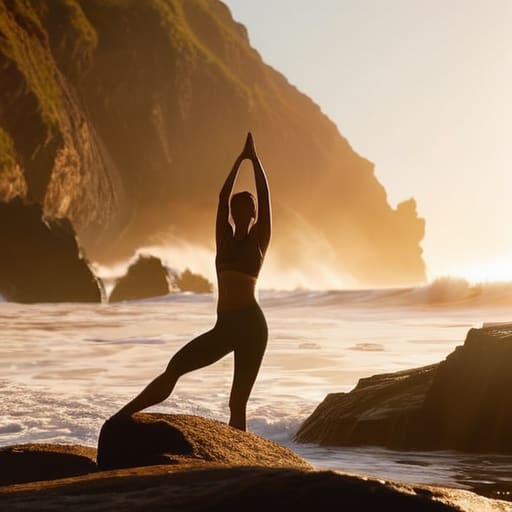
Think of your body’s mobility like the rhythm of the Atlantic back home—it needs a natural, fluid ebb and flow to stay healthy. When we talk about improving range of motion, we aren’t just looking for a temporary feeling of looseness; we are working to restore the body’s natural capacity to move without restriction. Much like how the tides reshape the coastline over time, consistent movement helps reshape our physical boundaries, allowing us to navigate our daily lives with a sense of ease rather than stiffness.
To achieve this, I’ve found that understanding the nuance between static vs dynamic stretching is a total game-changer. Dynamic movements act like the rising tide, gradually waking up your joints and preparing your muscles for the day’s demands. On the other hand, holding a pose more deeply at the end of a session allows for a more profound release. By integrating both, you aren’t just moving; you are preventing injury through flexibility, ensuring that your physical vessel remains as resilient and adaptable as the ecosystems we strive to protect.
Preventing Injury Through Flexibility and Intentional Movement

Think of your body like the delicate ecosystems I study; when things become too rigid or out of balance, they become vulnerable to sudden, jarring shifts. In my own life, I’ve found that preventing injury through flexibility isn’t just about being able to touch your toes; it’s about building a resilient foundation that can handle the unexpected. Whether you’re carrying heavy groceries or navigating a rocky trail, having supple muscles acts as a natural shock absorber, protecting your joints from the wear and tear of daily life.
To truly cultivate this resilience, I’ve learned to embrace the nuance between static vs dynamic stretching. I love starting my mornings with dynamic movements to wake up my nervous system—kind of like the rhythmic surge of the Atlantic—before settling into deeper, static holds later in the evening. Incorporating stretching for muscle recovery into your wind-down ritual helps soothe those tiny tensions that accumulate throughout the day. It’s a small, intentional way to honor your physical self, ensuring you stay mobile and ready for whatever adventures nature throws your way.
Cultivating Your Inner Ecosystem: 5 Rituals for a More Fluid Life
- Listen to Your Body’s Natural Rhythm: Just as we observe the shifting tides, treat stretching as a way to tune into your body’s subtle cues. Don’t force a pose; instead, find that sweet spot of tension that feels like a gentle, productive stretch rather than a strain.
- Integrate Micro-Moments of Movement: You don’t need a marathon session to see results. Think of these as small, intentional seeds planted throughout your day—a quick neck release between meetings or a standing stretch while your morning coffee brews.
- Breathe Deeply to Ground Your Practice: Use your breath as an anchor. Deep, rhythmic breathing helps signal to your nervous system that it’s safe to let go of tension, much like the calming effect of a walk along the Maine coastline.
- Consistency Over Intensity: Much like the steady erosion of sea glass into smooth gems, it’s the repetitive, gentle actions that create lasting change. Aim for daily, moderate movement rather than one intense, overwhelming session once a week.
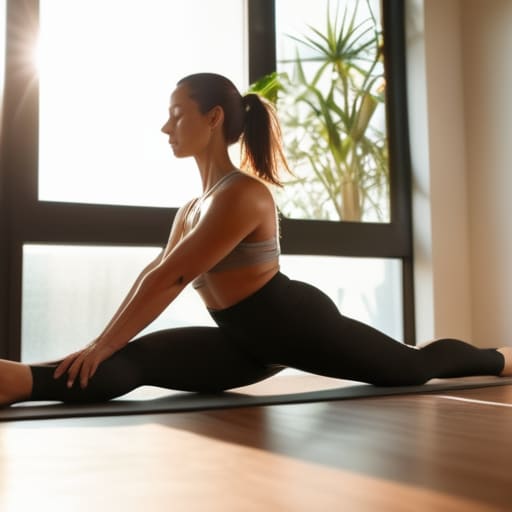
- Create a Mindful Space for Connection: Whether it’s a corner of your living room or a patch of grass in a local park, dedicate a small space to your practice. Surrounding yourself with natural light or a few indoor plants can turn a simple stretch into a restorative ritual.
Rooting Your Routine: Three Small Shifts for Lasting Vitality
View stretching not as a chore, but as a mindful ritual—a way to honor your body’s natural rhythm just as we honor the cycles of the earth.
Prioritize consistency over intensity; much like the steady, persistent erosion that shapes beautiful sea glass, small daily movements yield the most profound long-term transformations.
Listen to your body’s intuitive signals to prevent injury, treating your physical well-being with the same intentionality and respect we give to the ecosystems we strive to protect.
The Ripple Effect of a Single Stretch
“Just as a single piece of sea glass is shaped by the constant, rhythmic movement of the tide, our bodies find their greatest resilience not through force, but through the gentle, intentional flow of flexibility. Stretching isn’t just a physical reset; it’s a small, daily commitment to staying fluid in a world that often demands we stay rigid.”
Jordan Mitchell
Finding Your Flow in the Everyday
As we’ve explored, embracing a regular stretching practice isn’t just about reaching for your toes; it’s about cultivating a more resilient, fluid relationship with your own body. By prioritizing your range of motion and listening to the subtle cues of your muscles, you are effectively building a foundation of physical longevity. Just as we work to protect our coastal ecosystems by addressing small, individual impacts, these intentional moments of movement serve as a preventative measure against injury and a way to ensure your body can navigate the world with ease and grace.
Ultimately, I want you to view stretching not as another chore on a mounting to-do list, but as a small, intentional ritual that honors your well-being. Much like the way I find peace in the rhythmic ebb and flow of the Maine tides, or the patience required to tend to my urban beehives, movement allows us to reconnect with our natural rhythm. Start small, be consistent, and remember that every single stretch is a step toward a more vibrant, sustainable version of yourself. Let’s make these tiny, mindful shifts together, creating a ripple effect of wellness that lasts a lifetime.
Frequently Asked Questions
How can I tell the difference between a "good" stretch that builds flexibility and a "bad" pain that might actually cause injury?
Listen closely: there’s a beautiful difference between “productive tension” and “alarm bells.” Think of a good stretch like the steady pull of a tide—it’s a deep, intense sensation that feels like it’s opening you up, but it remains manageable. If you feel a sharp, stabbing, or electric sensation, that’s your body’s way of signaling a boundary. Respect that signal. Just like we tread lightly in nature, we must move with intention, never forcing progress at the expense of our well-being.
Is it better to focus on dynamic movement before a workout or save the deep, static stretches for my evening wind-down ritual?
Think of your movement like the rhythm of the coast: you wouldn’t want a sudden, jarring storm without a gradual swell. I always recommend dynamic movement—think gentle, flowing motions—to wake up your muscles before a workout. Save those deep, static stretches for your evening ritual. It’s a beautiful way to signal to your body that the day’s work is done, allowing you to wind down with the same intentionality we bring to mindful living.
How much time do I actually need to dedicate to stretching each day to see a real difference in my mobility?
Think of stretching not as a grueling chore, but as a daily ritual—much like tending to a garden. You don’t need hours; just 10 to 15 minutes of intentional, mindful movement can work wonders. Consistency is your greatest ally here. Even a brief, daily session helps cultivate mobility over time, proving that small, steady ripples truly do create the most significant waves in our physical well-being.
