Work-life Balance Tips That Actually Work
I remember sitting on my porch in Maine last autumn, the air smelling of salt and damp pine, staring at a glowing laptop screen while my bees were busy pollinating the garden just a few feet away. I was physically present in one of the most beautiful places on earth, yet mentally, I was buried under a mountain of unread emails and digital noise. It’s a hollow feeling, isn’t it? We’ve been sold this lie that finding work life balance tips means buying a luxury retreat or performing a total life overhaul, when in reality, the struggle is much more granular and much more exhausting.
I’m not here to give you a polished, aesthetic version of productivity that looks good on a mood board but fails in the real world. Instead, I want to share the messy, practical rituals I’ve cultivated to protect my own energy—the kind of small, intentional shifts that actually work when life gets loud. We’re going to dive into some no-nonsense strategies to help you reclaim your time and mental space, ensuring your professional hustle doesn’t come at the expense of your personal ecosystem.
Table of Contents
- Nurturing Mental Health at Work Through Intentional Stillness
- Setting Professional Boundaries to Protect Your Personal Ecosystem
- Cultivating Your Daily Rhythm: 5 Ways to Reclaim Your Energy
- Cultivating Your Sustainable Rhythm
- The Rhythm of Resilience
- Finding Your Rhythm in the Flow
- Frequently Asked Questions
Nurturing Mental Health at Work Through Intentional Stillness

In my urban beehives, I’ve noticed that even the most industrious workers need moments of absolute stillness to keep the colony thriving. Our minds are much the same. We often treat our brains like high-speed processors that never need to cool down, but ignoring that internal heat is a fast track toward recognizing the signs of occupational burnout. Nurturing your mental health at work isn’t about a grand vacation; it’s about finding those micro-moments of quiet amidst the digital noise.
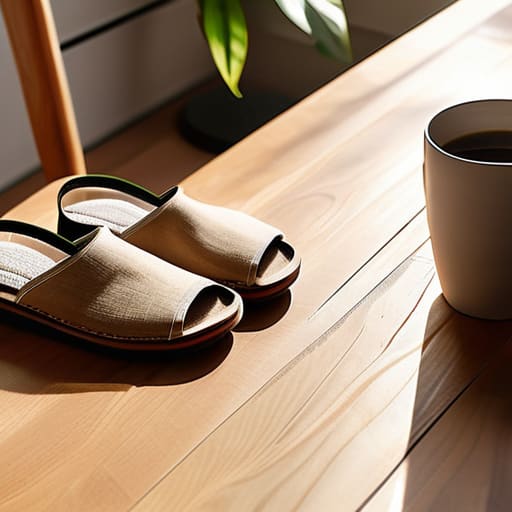
Try implementing a “sensory reset” during your lunch break. Instead of scrolling through endless feeds, step outside or simply sit with a cup of tea and focus entirely on the warmth of the mug. This intentional stillness acts as a buffer against the constant ping of notifications. By setting professional boundaries around these small pockets of peace, you aren’t just resting—you are actively protecting your inner ecosystem. It’s these quiet, deliberate pauses that allow us to return to our tasks with a sense of clarity rather than just frantic momentum.
Setting Professional Boundaries to Protect Your Personal Ecosystem

Think of your personal energy like a delicate coastal tide pool; if you let too many outside forces rush in without a barrier, the ecosystem becomes cluttered and chaotic. In our hyper-connected era, especially when navigating remote work productivity hacks, it’s incredibly easy for the lines between “office hours” and “living hours” to blur into a muddy gray area. I’ve learned the hard way that if you don’t build a fence around your time, the digital world will happily graze on it until there’s nothing left for you to recharge.
Setting professional boundaries isn’t about being difficult or unapproachable; it’s about creating the necessary structure to prevent the creeping signs of occupational burnout. I like to treat my “off-clock” time with the same reverence I give to my beehives—it’s a sacred space that requires protection to thrive. Whether it’s silencing notifications after 6 PM or designating a specific corner of your home as a “no-work zone,” these small, intentional partitions are what allow you to show up fully, both in your career and in your life.
Cultivating Your Daily Rhythm: 5 Ways to Reclaim Your Energy
- Designate a “Digital Sunset” to signal the end of your workday. Just as the tide pulls back from the shore, you need a ritual to transition away from the screen. Whether it’s closing your laptop and tucking it away or switching to a non-digital hobby like tending to my bees, creating a hard stop prevents the “always-on” burnout from creeping into your evening.
- Practice Micro-Restoration throughout your hours. We often think we need a week in the mountains to recharge, but true sustainability happens in the small gaps. Try five minutes of intentional breathing or a quick walk outside—think of it as a quick nutrient boost for your mental soil rather than waiting for a seasonal overhaul.
- Curate your physical workspace for sensory calm. Your environment dictates your internal state. I like to keep a few pieces of sea glass on my desk or a small plant nearby; these tiny, nature-inspired anchors can ground you when a flurry of emails starts to feel overwhelming.
- Learn the art of the “Graceful No.” Protecting your energy is a lot like protecting a coastal ecosystem—you have to prevent invasive stressors from taking over. Saying no to a non-essential meeting or an extra project isn’t being difficult; it’s being resourceful with the limited bandwidth you have.
- Schedule your joy with the same rigor as your meetings. We tend to prioritize our professional obligations while leaving our personal passions to the leftovers of our energy. Try blocking out time for a hobby or a quiet walk in the park as if it were a high-stakes client call—because, in reality, your well-being is the most important project you’ll ever manage.
Cultivating Your Sustainable Rhythm
Remember that balance isn’t a destination you reach, but a continuous practice of checking in with yourself, much like monitoring the health of a beehive.
Protect your energy by treating your personal time as a non-negotiable sanctuary, ensuring you have the mental space to recharge and remain creative.
Focus on the small, intentional shifts—like a five-minute screen break or a mindful walk—because these tiny ripples eventually create a much larger wave of well-being.
The Rhythm of Resilience
“Think of your energy like the tides in my hometown—it’s not meant to be a constant, crashing wave of productivity. True balance is learning when to surge forward with purpose and when to pull back, allowing yourself the stillness necessary to recharge for the next cycle.”
Jordan Mitchell
Finding Your Rhythm in the Flow
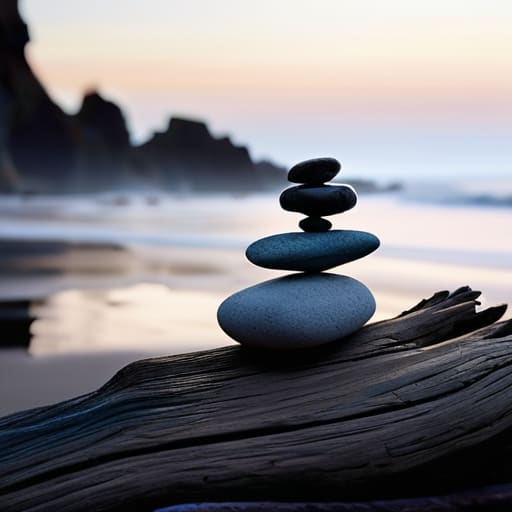
As we wrap up this exploration of professional equilibrium, I hope you see that reclaiming your time isn’t about a radical, overnight transformation. It’s about the subtle, intentional shifts we discussed—finding those pockets of intentional stillness to quiet the mental noise and drawing those necessary lines in the sand to protect your personal ecosystem. Just as a coastal tide relies on a consistent rhythm to maintain its health, your productivity and well-being depend on respecting your natural cycles rather than constantly pushing against them. By integrating these small rituals, you aren’t just managing a schedule; you are actively tending to the most important environment you will ever inhabit: yourself.
Ultimately, I want you to remember that your worth is never defined by the sheer volume of your output or the length of your to-do list. Like the sea glass I find on my walks in Maine, the most beautiful things often come from enduring the rough waves and finding a way to smooth out the edges through patience and resilience. Don’t be afraid to let go of the hustle that no longer serves you to make room for the passions that make you feel alive. Start small, stay consistent, and trust that by nurturing your own inner ecosystem, you are creating a more sustainable, vibrant life that can truly weather any storm.
Frequently Asked Questions
How do I maintain these boundaries when my job culture seems to reward constant availability and "always-on" behavior?
It’s tough when the “always-on” culture feels like a rising tide you can’t escape. I’ve been there. Instead of a sudden rebellion, try micro-boundaries. Start by reclaiming your lunch hour or silencing notifications after a specific time. When you model these small, intentional pauses, you subtly shift the narrative. It’s about proving that your best, most creative work happens when you’re recharged, not just when you’re available.
I struggle with guilt whenever I step away from my desk; how can I reframe that feeling to see rest as a productive necessity rather than a luxury?
I hear you—that guilt can feel as heavy as a coastal fog. But think of it this way: even the most vibrant ecosystems need fallow periods to regenerate. If you constantly over-extract from your own resources, you’ll eventually face burnout. Reframing rest isn’t about indulgence; it’s about maintenance. View stepping away as a strategic investment in your long-term capacity. You aren’t “doing nothing”; you’re recharging the very engine that drives your impact.
For those of us working in fast-paced digital roles, what are some realistic ways to practice "intentional stillness" without falling behind on our deadlines?
I totally get it—in the digital world, “stillness” can feel like a luxury we can’t afford. But think of it like a quick tide change; it’s brief but essential. Try “micro-moments” of stillness: a two-minute breathing ritual between back-to-back Zoom calls, or stepping away from the screen to water your plants. These tiny, intentional pauses actually prevent burnout, keeping your creative engine running smoother without letting your deadlines drift away.
