
How to Say No Without Feeling Guilty
I remember sitting on my porch last summer, the scent of salt air thick in the breeze, staring at a calendar that felt more like a prison sentence than a schedule. I had spent years saying “yes” to every committee, every extra project, and every social obligation, thinking that being helpful was the same thing as being impactful. But as I watched my urban beehives struggle because I simply didn’t have the mental bandwidth to tend to them, it hit me: my inability to master how to say no was actually sabotaging the very things I cared about most. I wasn’t being kind; I was just being spread too thin to be truly effective.
I’m not here to give you some polished, corporate lecture on “boundary setting” or hand you a list of hollow platitudes. Instead, I want to share the messy, real-world tactics I’ve learned while balancing environmental consulting with a life that actually feels meaningful. We’re going to dive into how you can reclaim your time and energy without the crushing guilt, treating your personal capacity like a precious natural resource that deserves intentional protection.
Table of Contents
- Overcoming People Pleasing to Reclaim Your Natural Rhythm
- Using Emotional Intelligence in Communication for Graceful Boundaries
- Five Ways to Cultivate Your Personal Ecosystem of Boundaries
- Cultivating Your Inner Ecosystem: Three Lessons in Intentionality
- ## The Ecology of Your Energy
- Cultivating Your Personal Ecosystem
- Frequently Asked Questions
Overcoming People Pleasing to Reclaim Your Natural Rhythm

For a long time, I fell into the trap of thinking that saying “yes” to everyone was the ultimate way to be helpful. I viewed my availability as an infinite resource, much like a coastline that never erodes, only to realize I was actually depleting my own internal reserves. Overcoming people pleasing isn’t about becoming cold or indifferent; it’s about recognizing that your energy is a finite, precious ecosystem that requires careful stewardship. When we constantly overextend ourselves to appease others, we lose our connection to our own internal compass.
Reclaiming that rhythm requires a shift toward emotional intelligence in communication. Instead of reacting out of a reflexive need to be liked, try pausing to check in with your own capacity. It’s about learning to honor your limits so you can show up fully for the things that actually align with your values. Think of it as pruning a garden—it might feel a bit sharp at first, but it’s the only way to ensure the most meaningful parts of your life have the nutrients they need to truly flourish.
Using Emotional Intelligence in Communication for Graceful Boundaries
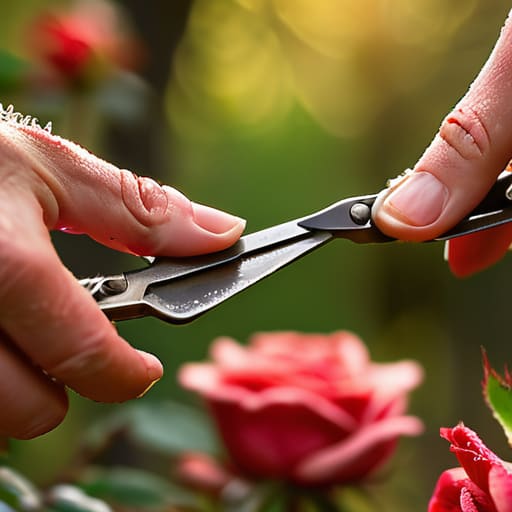
Setting a boundary doesn’t have to feel like building a wall; think of it more like pruning a rosebush to encourage healthier growth. This is where emotional intelligence in communication becomes your greatest tool. Instead of reacting out of fear or retreating into silence, take a moment to breathe and observe your own internal landscape. When we approach a refusal with self-awareness, we can distinguish between a genuine desire to help and a frantic attempt to avoid discomfort. By recognizing these internal cues, you move from a place of reactivity to one of intentionality.
When the moment arrives to speak your truth, lean into assertive communication techniques that prioritize clarity over apology. You don’t need to provide a laundry list of excuses to justify your choice. A simple, “I’d love to support this, but I don’t have the capacity to give it the attention it deserves right now,” is both kind and firm. It’s about honoring your own limits while still extending respect to the other person. Mastering this balance is the key to managing guilt when saying no, allowing you to stay true to your values without feeling like you’ve let the world down.
Five Ways to Cultivate Your Personal Ecosystem of Boundaries
- The “Pause and Pollinate” Method: Before you reflexively say “yes” to every request, give yourself a moment of stillness. Just like waiting for a season to turn, taking twenty-four hours to reflect on a commitment allows you to respond from a place of intention rather than social pressure.
- Practice the Soft Refusal: You don’t need a fortress of words to set a boundary. A gentle, “I’d love to help, but my capacity is full right now,” is often more effective than a long-winded excuse. Think of it as pruning a plant—you aren’t being harsh; you’re just ensuring the core remains healthy.
- Offer an Alternative Path: If you truly want to support someone but can’t commit your time, redirect their energy. Suggest a resource, a different person, or a future window of time. It’s like sharing a map of a hiking trail when you can’t lead the trek yourself.
- Audit Your “Energy Leaks”: Start viewing your time as a finite, precious resource, much like the local honey from my hives. If a commitment feels like it’s draining your vitality without offering any restorative value, it’s a sign that your “no” is long overdue.
- Embrace the Imperfect No: You might feel a twinge of guilt at first—that’s natural. But remember, every time you say no to something that doesn’t align with your values, you are saying a resounding “yes” to your own well-being and purpose.
Cultivating Your Inner Ecosystem: Three Lessons in Intentionality
View your “yes” as a finite resource, much like the precious coastline of my Maine hometown; if you give it away to everything that washes ashore, you’ll have nothing left to protect what truly matters.
Practice the “gentle pause” to distinguish between a genuine desire to help and the reflexive urge to please, ensuring your boundaries are built on authenticity rather than social obligation.
Remember that setting a boundary isn’t an act of isolation, but a way to nourish your own energy so you can show up more vibrantly and sustainably for the people and causes you truly love.
## The Ecology of Your Energy
“Think of your capacity like a coastal ecosystem; if you let every passing tide deplete your resources, nothing vital will have the strength to bloom. Saying ‘no’ isn’t about closing doors—it’s about tending to your own soil so that when you finally do say ‘yes,’ you’re offering something rooted, resilient, and real.”
Jordan Mitchell
Cultivating Your Personal Ecosystem

At the end of the day, mastering the art of the intentional “no” isn’t about building walls; it’s about tending to your own internal garden. We’ve explored how breaking free from the cycle of people-pleasing allows you to rediscover your natural rhythm, and how leaning into emotional intelligence can turn a difficult boundary into a moment of genuine connection. By applying these tools, you aren’t just declining an invitation or a task—you are actively managing your most precious, non-renewable resource: your energy. Remember, every time you say no to something that drains you, you are effectively saying a much more powerful yes to your purpose and the things that truly nourish your soul.
As you move forward, try to view your boundaries not as rigid barriers, but as the gentle, necessary trellises that allow your life to grow upward and outward with intention. Just like the sea glass I find on the Maine coast, our experiences are often shaped and smoothed by the pressures of the world, but it is our choices that determine how we shine in the light. Don’t be afraid to protect your space so you can show up fully for the things that matter most. Start small, stay consistent, and trust that by honoring your limits, you are creating the sustainable foundation needed to make a lasting impact on the world around you.
Frequently Asked Questions
How do I handle the guilt that inevitably creeps in when I say no to someone I truly care about?
That guilt? It’s just a bit of emotional silt settling after you’ve stirred things up. When you say no to someone you love, it feels heavy, like a storm rolling in over the Maine coast. But remember: setting a boundary isn’t an act of rejection; it’s an act of preservation. You aren’t pushing them away; you’re simply tending to your own soil so you don’t burn out. Honor your limits to honor them, too.
What are some gentle, eco-friendly ways to rephrase a "no" so it feels less like a rejection and more like a boundary?
Think of your words like sea glass—smoothed by intention rather than jagged and sharp. Instead of a blunt “no,” try framing it around your capacity. Try: “I’d love to support this, but my current commitments don’t allow me to give it the energy it deserves,” or “I’m honoring my need for downtime right now to stay balanced.” It’s not about closing a door; it’s about tending to your own ecosystem so you can show up fully later.
How can I stay consistent with my boundaries when I'm feeling overwhelmed by the pressure to be "productive" or "available" in a digital world?
Think of your digital availability like a coastal tide—it needs to ebb so it can flow again. When that “always-on” pressure hits, treat your boundaries like a sanctuary rather than a chore. I find that scheduling “analog hours” helps me disconnect from the digital noise. Remember, being productive isn’t about constant movement; it’s about intentionality. Protecting your space isn’t selfish; it’s how you ensure you have the energy to truly show up.
