
How to Stop Procrastinating and Start Doing
I remember sitting on a weathered driftwood log back in Maine, staring at a half-finished DIY project and a pile of sea glass that should have been integrated into my latest blog post weeks ago. The salt air was crisp, but my mind was heavy with that familiar, paralyzing fog of avoidance. We’ve all been there—staring at a screen or a task, feeling the weight of everything we should be doing while we busy ourselves with things that don’t actually matter. Most productivity gurus will tell you that you need a complex, high-tech system or a thousand-dollar planner to fix your life, but honestly? That’s just more noise. If you’re searching for how to stop procrastinating, you don’t need a digital overhaul; you need to reconnect with your intentionality.
I’m not here to sell you on a lifestyle of relentless, soul-crushing hustle. Instead, I want to share the practical, grounded strategies I’ve used to bridge the gap between big environmental dreams and the small, daily actions required to achieve them. We’re going to strip away the fluff and focus on meaningful momentum. I promise to give you honest, experience-based tactics that treat your time with the respect it deserves, helping you turn that stagnant hesitation into impactful victories.
Table of Contents
Navigating the Tides of Overcoming Task Paralysis

We’ve all been there: staring at a mounting to-do list that feels less like a guide and more like an incoming storm surge. That heavy, frozen sensation isn’t just laziness; it’s often the result of overcoming task paralysis, where the sheer scale of what needs to be done creates a mental blockade. When I’m working on a complex environmental impact report, I sometimes feel that same paralysis. It’s as if my brain is trying to process the entire ocean at once instead of just watching the tide come in.
The secret isn’t to fight the wave, but to learn how to surf it. Instead of viewing a project as one monolithic mountain, try breaking down large tasks into tiny, manageable ripples. If you’re struggling to start a sustainable home audit, don’t aim to finish the whole house today. Just commit to looking at one single drawer or one lightbulb. By shrinking the scope, you bypass that overwhelming neurological “freeze” response and begin building the momentum necessary to keep moving forward.
Small Ripples Breaking Down Large Tasks Into Sea Glass Pieces
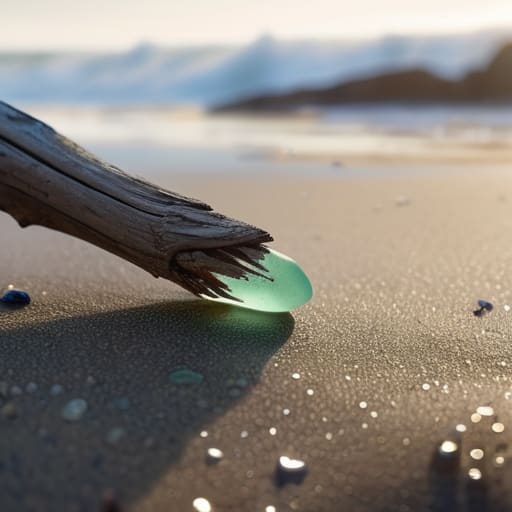
Think of a massive, daunting project like a giant, jagged piece of driftwood washed up on the shore. It looks impossible to move, doesn’t it? When we face a mountain of work, we often fall victim to overcoming task paralysis because the sheer scale of the goal feels overwhelming to our nervous systems. But if you look closely at the treasures I find on my walks in Maine, you’ll see that even the most complex pieces of sea glass started as rough, intimidating shards. They became beautiful through the gentle, repetitive motion of the tides.
To find that same flow, you have to start breaking down large tasks into those tiny, manageable “sea glass” pieces. Instead of telling yourself you need to “reorganize the entire home garden,” tell yourself you’re just going to clear one small patch of weeds this afternoon. This isn’t just about simple time management techniques; it’s about tricking your brain into a state of momentum. By focusing on one small, shimmering micro-task at a time, you stop staring at the horizon and start enjoying the rhythm of the work itself.
Cultivating Your Momentum: 5 Ways to Root Your Intentions in Action
- Curate Your Environment to Minimize “Digital Drift”: Just as I try to keep my beekeeping tools organized to avoid chaos, your workspace needs a reset. Clear the physical clutter and, more importantly, silence those digital notifications that pull you away from your purpose like a sudden coastal fog.
- The Five-Minute Foraging Rule: When a task feels as daunting as a massive cleanup project, tell yourself you’ll only work on it for five minutes. Often, the hardest part isn’t the labor itself, but the friction of starting; once you break that surface tension, you’ll find your flow.
- Schedule Your “Low-Tide” Moments: We all have periods where our energy naturally ebbs. Instead of fighting the slump and feeling guilty, schedule your most demanding tasks for your “high tide” energy peaks and save the administrative, low-energy chores for when you’re feeling more reflective and quiet.
- Forgive the Drift to Find Your Way Back: If you lose a day to procrastination, don’t let it turn into a storm that sinks your whole week. In Maine, we know the tide always comes back; treat your setbacks with grace, learn what triggered the stall, and simply refocus on the next small, intentional move.
- Use Visual Anchors for Accountability: I keep my favorite pieces of sea glass on my desk as a reminder of beauty found in patience. Find a physical object or a digital visual that represents your ultimate goal—be it a cleaner home or a finished project—to ground you when your focus starts to wander.
Turning the Tide: Your Action Plan for Momentum
Stop viewing your massive goals as overwhelming waves; instead, treat them like scattered sea glass—collect and tackle one small, beautiful piece at a time to prevent paralysis.
Recognize that perfectionism is often just a form of environmental clutter for your mind; embrace the “good enough” approach to get your momentum flowing before you worry about the fine details.
Cultivate a rhythm of intentionality by scheduling small, non-negotiable wins that build the psychological resilience needed to weather more demanding projects.
Finding Your Flow
“Don’t let your intentions drift away like tide debris; instead, treat every small task like a single piece of sea glass—rough at first, but with consistent, intentional movement, you’ll eventually shape them into something beautiful and complete.”
Jordan Mitchell
From Inertia to Impact

As we look back on the path we’ve charted, remember that overcoming procrastination isn’t about achieving instant perfection; it’s about navigating those heavy tides of task paralysis with grace. We’ve explored how to stop viewing our goals as overwhelming storms and instead start seeing them as collections of small, manageable sea glass pieces. By breaking down those massive, intimidating projects into bite-sized, intentional steps, you effectively strip away the power that hesitation holds over you. It’s about moving from a state of frozen inaction to a rhythm of steady, purposeful momentum, ensuring that no task remains adrift simply because it felt too large to tackle head-on.
Ultimately, the way you manage your time and energy is a reflection of how you respect your own potential. Just as a single drop of water can eventually reshape a coastline, your decision to stop waiting for the “perfect moment” and start acting right now creates a ripple effect that touches every corner of your life. Don’t let your dreams become nothing more than tide debris washed up on the shore of “someday.” Embrace the beauty of the small start, trust in your ability to adapt, and let’s turn those quiet intentions into vibrant, environmental victories for your personal growth.
Frequently Asked Questions
How do I stop the cycle of guilt that hits me every time I realize I've wasted a whole afternoon?
Listen, I’ve been there—staring at a wasted afternoon like it’s plastic washed up on a shoreline. That guilt is heavy, but beating yourself up only creates more mental debris. Instead of spiraling, treat that moment like a tide turning. Forgive yourself immediately. That time is gone, but the next hour is a fresh canvas. Acknowledge the slip, take one tiny, intentional breath, and let’s start a new ripple right now.
When I'm feeling totally overwhelmed by a massive project, what's the very first physical step I can take to break that paralysis?
When that tidal wave of overwhelm hits, don’t try to tackle the whole ocean at once. Your very first physical step? Just clear your immediate workspace. Grab a reusable cloth, wipe away the clutter, and create a small, intentional sanctuary for your focus. It’s like finding one beautiful piece of sea glass amidst the sand; by grounding yourself in a clean, physical space, you signal to your brain that it’s time to move from paralysis to purpose.
Can you suggest some ways to make my sustainable living goals feel less like a daunting chore and more like a rewarding habit?
Think of your goals not as a mountain to climb, but as a garden to tend. Instead of forcing a massive lifestyle overhaul, try “habit stacking”—tack a new eco-friendly action onto something you already love, like listening to a podcast while composting. Focus on the joy of the process, like the tactile satisfaction of a DIY project, rather than just the end result. When you celebrate these tiny, beautiful wins, sustainability stops feeling like a chore and starts feeling like home.
