
How to Prioritize When Everything Feels Urgent
I remember sitting on my porch in Maine last autumn, surrounded by a mountain of half-finished DIY projects and a digital inbox that felt like a rising tide. I was trying to manage my consulting clients, my blog, and even my urban beehives, yet I felt like I was spinning my wheels in the sand without actually moving forward. We’ve been sold this lie that productivity means doing everything at once, but I’ve learned the hard way that when you try to chase every single wave, you end up exhausted and completely adrift. Learning how to prioritize tasks isn’t about aggressive time-blocking or buying a $50 planner; it’s about finding your own internal rhythm so you can focus on what actually moves the needle.
I’m not here to give you a lecture on corporate efficiency or some sterile, soul-crushing system. Instead, I want to share the intentional flow I’ve developed—a way to sort through the noise and focus on the vital seeds that lead to real growth. I promise to give you honest, no-nonsense strategies to help you reclaim your time and energy, ensuring your daily actions align with your deepest values rather than just your loudest notifications.
Table of Contents
- Navigating the Tide With the Eisenhower Matrix Technique
- Distinguishing Urgent vs Important Tasks for Sustainable Growth
- Cultivating Your Daily Ecosystem: 5 Ways to Tend to Your To-Do List
- Cultivating Your Daily Ecosystem: Three Final Thoughts
- The Wisdom of the Tide
- Finding Your Sustainable Rhythm
- Frequently Asked Questions
Navigating the Tide With the Eisenhower Matrix Technique
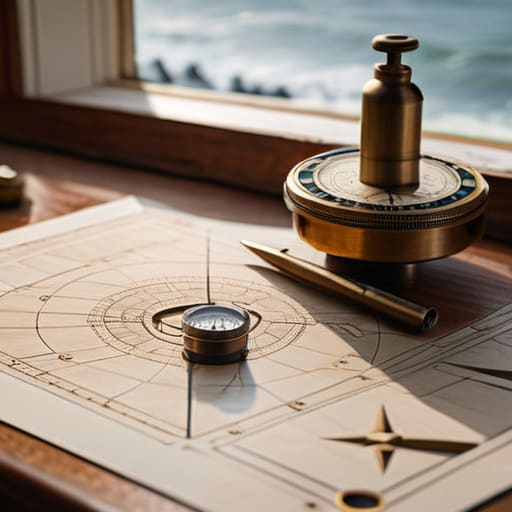
When I first started my journey as an environmental consultant, I often felt like I was drowning in a sea of endless to-do lists, unable to tell which ripples were actually making waves. That’s where the Eisenhower Matrix technique became my personal compass. Think of it as a way to map out your mental coastline; instead of reacting to every single wave that hits the shore, you learn to distinguish between the crashing tides and the gentle currents.
The core of this approach lies in mastering the distinction between urgent vs important tasks. We often get swept up in the “urgent”—those loud, immediate demands that feel like they need our attention right this second—while neglecting the “important” work that actually nurtures our long-term goals, much like tending to a slow-growing garden. By categorizing your responsibilities into four quadrants, you can stop the cycle of constant firefighting. This shift isn’t just about efficiency; it’s about reclaiming your mental space so you can focus on the meaningful projects that truly align with your values and purpose.
Distinguishing Urgent vs Important Tasks for Sustainable Growth

It’s easy to fall into the trap of mistake-driven momentum, where we spend our entire day reacting to the loudest notification or the most immediate fire. In my work as a consultant, I see this often: people mistake movement for progress. When we fail to differentiate between urgent vs important tasks, we end up like a tide constantly pulling us out to sea—exhausted, but never actually arriving at our destination. True sustainable growth requires us to step back from the immediate noise and identify the quiet, essential work that actually nourishes our long-term goals.
Think of it as tending to your urban beehives; checking for a sudden swarm is urgent, but ensuring the colony has a diverse, healthy floral source is what truly matters for the season ahead. By applying intentional daily workflow optimization, you stop merely surviving your to-do list and start cultivating it. When you shift your focus from the “loud” tasks to the “meaningful” ones, you aren’t just managing time—you are protecting your energy for the things that truly leave a lasting impact.
Cultivating Your Daily Ecosystem: 5 Ways to Tend to Your To-Do List
- Audit Your Energy, Not Just Your Clock. Just like I wouldn’t try to tend to my beehives during a heavy coastal storm, don’t force high-intensity creative tasks when your energy is low. Match your most demanding projects to your peak focus hours to avoid burnout and ensure sustainable output.
- Practice the Art of the “Micro-Win.” Sometimes a massive project feels like an overwhelming tide. Break it down into tiny, manageable fragments—think of it as collecting individual pieces of sea glass rather than trying to find the whole beach at once. Completing these small tasks builds the momentum you need to tackle the big stuff.
- Embrace the Power of “No” to Protect Your Soil. In gardening, if you plant too much in one season, you deplete the nutrients. The same applies to your schedule. Saying no to low-impact distractions isn’t being selfish; it’s preserving your mental resources for the tasks that actually nourish your long-term goals.
- Batch Your Digital Distractions. Constant notifications are like invasive species in a delicate ecosystem—they disrupt everything. Set specific “digital windows” to check emails and messages, rather than letting them scatter your focus throughout the day. This keeps your cognitive environment calm and focused.
- Build in “Fallow Time” for Reflection. A field that is never left to rest eventually loses its vitality. Schedule intentional pauses in your workday to step away from the screen. This isn’t wasted time; it’s the mental compost that allows new, innovative ideas to grow and flourish.
Cultivating Your Daily Ecosystem: Three Final Thoughts
View your to-do list not as a mountain to climb, but as a garden to tend; focus your energy on the “nutrient-rich” tasks that foster long-term growth rather than just reacting to the weeds of minor distractions.
Protect your mental environment by setting boundaries around non-essential tasks, ensuring you have the creative bandwidth left over to pursue the projects that actually align with your core values.
Remember that sustainability applies to your energy, too—prioritizing effectively isn’t about doing more, it’s about doing what matters most so you don’t burn out before the tide turns.
The Wisdom of the Tide
“Prioritizing your tasks isn’t about doing more; it’s about tending to your most vital seeds first, ensuring you don’t get so swept up in the rushing currents of the urgent that you neglect the deep, intentional work that truly sustains your growth.”
Jordan Mitchell
Finding Your Sustainable Rhythm

As we’ve explored, mastering your schedule isn’t about squeezing more labor out of your day; it’s about cultivating a sense of intentionality. By utilizing tools like the Eisenhower Matrix and learning to distinguish between the loud, urgent distractions and the quietly important tasks that actually nourish your long-term goals, you stop merely reacting to the world and start shaping it. Remember, prioritizing is much like tending to an urban beehive—if you focus your energy on the most vital nectar, the entire ecosystem of your life begins to thrive in a more balanced and harmonious way.
I know that shifting your mindset can feel as daunting as a sudden storm on the Maine coast, but please remember that progress isn’t about perfection. Some days, the tide will pull you in directions you didn’t plan, and that’s okay. The goal is to build a lifestyle where your daily actions align with your deepest values, leaving you with enough mental space to actually enjoy the beauty around you. Start small, stay consistent, and trust that these tiny, intentional shifts in how you manage your time will eventually create a massive, positive ripple effect in your world.
Frequently Asked Questions
How do I stop feeling guilty about the "important but not urgent" tasks that keep getting pushed to the side?
Think of those “important but not urgent” tasks like tending to a coastal garden; if you only focus on the immediate storms, the soil eventually loses its nutrients. The guilt stems from knowing they matter, but you can’t treat everything like an emergency. Instead of perfection, aim for “micro-progress.” Dedicate just fifteen minutes a day to one of these tasks. It’s not about clearing the list; it’s about nurturing your long-term growth.
What should I do when my daily to-do list feels like an overwhelming tidal wave that I just can't control?
When that tidal wave hits, the first thing you need to do is drop anchor. Stop trying to fight the current; instead, take a breath and strip your list down to just three “non-negotiables.” Think of it like tending a garden—you can’t water every single leaf at once. Focus on those three vital seeds first. Once they’re settled, the rest of the wave becomes much easier to navigate.
Can you suggest some digital tools or apps that actually align with a more mindful, low-stress approach to productivity?
Instead of flooding your screen with loud, dopamine-chasing notifications, I lean toward tools that feel like a quiet morning by the coast. I’m a huge fan of Notion for building a personalized, visual sanctuary, or Forest if you need to stay grounded and focused without the digital clutter. Think of these apps not as taskmasters, but as digital gardening tools—they help you cultivate a calm, intentional space so your productivity feels natural, not forced.
