
How to Break Bad Habits for Good
I remember standing in my kitchen last Tuesday, staring at a mountain of single-use plastic takeout containers, feeling that familiar, heavy sense of defeat. I had promised myself I’d meal prep to reduce my waste, yet here I was, falling back into the easiest, most mindless routine. We’re often told that changing our lives requires massive, sweeping transformations or expensive lifestyle overhaul kits, but honestly? That’s a lie that just sets us up for failure. Learning how to break bad habits isn’t about a sudden, radical metamorphosis; it’s about recognizing those tiny, autopilot moments where we drift away from our values and learning how to steer back.
In this post, I’m stripping away the polished, “perfect” influencer version of self-improvement to give you something much more useful. I want to share the gritty, realistic strategies I’ve used to transition from a wasteful consumer to a more intentional living enthusiast. We aren’t looking for overnight perfection here; instead, I’m going to show you how to implement small, intentional shifts that actually stick. Let’s stop chasing impossible standards and start building a lifestyle that feels both sustainable and genuinely achievable.
Table of Contents
- Decoding the Habit Loop Mechanism for Lasting Change
- Overcoming Triggers and Cues With Coastal Calm
- Small Shifts, Big Ripples: My Five Go-To Strategies for Rewiring Your Routine
- Small Shifts, Big Ripples: Your Sustainable Habit Roadmap
- The Ripple Effect of Small Shifts
- Navigating the Path Forward
- Frequently Asked Questions
Decoding the Habit Loop Mechanism for Lasting Change
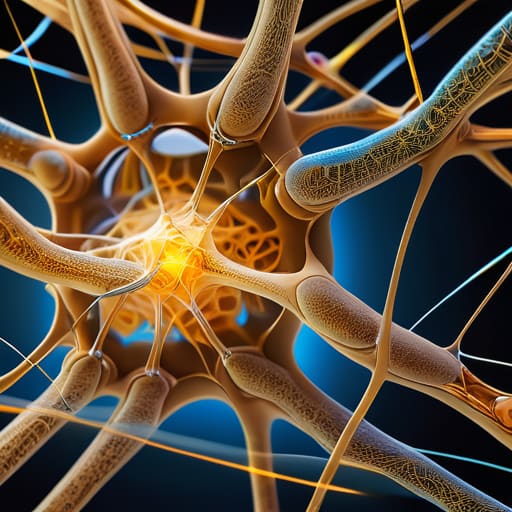
To really transform our routines, we have to look under the hood at how our brains actually function. It’s not just about willpower; it’s about understanding the habit loop mechanism that governs our daily lives. Every habit—whether it’s grabbing a single-use plastic water bottle out of muscle memory or mindlessly scrolling through your phone—follows a predictable cycle: a cue, a routine, and a reward. When we understand this loop, we stop fighting ourselves and start working with our biology.
This is where the magic of neuroplasticity and habit change comes into play. Our brains are remarkably adaptable, meaning we aren’t stuck with the patterns we’ve built over the years. Instead of trying to simply delete a behavior, which often feels like trying to erase a drawing from a piece of paper, we should focus on remapping the pathways. By identifying the specific triggers that set off a cycle, we can swap out an old, wasteful routine for something that still satisfies that underlying craving but aligns better with our eco-conscious values.
Overcoming Triggers and Cues With Coastal Calm
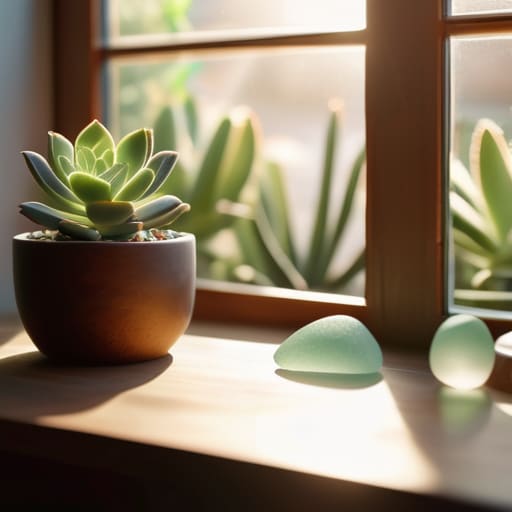
To truly master the art of overcoming triggers and cues, we need to look at our environment through a lens of intentionality. Think of your daily routine like the tide; it follows a predictable rhythm, and our habits are often just responses to the environmental “waves” hitting us. If you find yourself reaching for a single-use plastic bottle every time you sit down at your desk, that desk is your cue. Instead of fighting the urge with sheer willpower—which is a finite resource—try restructuring your space. I often find that bringing a bit of the outdoors in, like a small succulent or even a piece of sea glass I found last weekend, helps reset my mental state and shifts my focus.
By applying certain behavioral psychology techniques, we can begin replacing negative behaviors with more mindful alternatives before the impulse even takes hold. It’s about creating a “buffer zone” between the trigger and the action. If a stressful email is your trigger for mindless snacking, try replacing that moment with a quick, deep-breathing exercise or a sip of herbal tea. It’s these small, rhythmic shifts that allow us to build sustainable routines that actually stick.
Small Shifts, Big Ripples: My Five Go-To Strategies for Rewiring Your Routine
- Swap, Don’t Just Stop: Instead of focusing on what you’re losing, focus on what you’re gaining. If you’re trying to ditch single-use coffee pods, don’t just feel the void; fill it with the ritual of a slow-pour French press. It’s about replacing a mindless habit with an intentional, more soulful experience.
- Design Your Environment for Success: We often underestimate how much our surroundings dictate our choices. I like to think of it like tidying a workspace—if your reusable bags are tucked away in a dark closet, you won’t use them. Keep your eco-friendly tools visible and accessible, right where they can catch your eye.
- The “Micro-Win” Method: When I was first getting into urban beekeeping, I felt overwhelmed by the complexity. I learned that you have to break everything down. Don’t try to overhaul your entire lifestyle in a weekend. Aim for one “micro-win” a day—like carrying a bamboo utensil set—to build that crucial momentum.
- Practice Compassionate Consistency: There will be days when you slip up and grab that plastic water bottle in a rush. Don’t let a single moment of imperfection derail your entire mission. Think of it like a tide coming in; just because the water recedes for a moment doesn’t mean the ocean is gone. Just reset and keep going.
- Connect to Your “Why” Through Storytelling: It’s much harder to stick to a habit when it feels like a chore. Instead, frame your changes through the lens of the impact they make. When I choose local, seasonal produce, I don’t just see groceries; I see a direct way to support my local ecosystem and reduce my carbon footprint. Make your progress part of your own personal story.
Small Shifts, Big Ripples: Your Sustainable Habit Roadmap
Don’t aim for an overnight overhaul; instead, focus on replacing a single “autopilot” action with a mindful, eco-friendly alternative to prevent burnout.
Audit your environment to identify the subtle cues—like a plastic bottle sitting on your desk—that trigger old patterns, and swap them for more intentional, sustainable substitutes.
Embrace the imperfect journey by viewing every slip-up not as a failure, but as a chance to recalibrate your routine and get back on track with your environmental values.
The Ripple Effect of Small Shifts
“Breaking a habit isn’t about a sudden, dramatic overhaul of your entire life; it’s more like the way the tide reshapes a coastline—through small, persistent, and intentional movements that eventually turn a single ripple into a powerful wave of change.”
Jordan Mitchell
Navigating the Path Forward

As we wrap up this journey through the mechanics of change, remember that breaking a bad habit isn’t about a sudden, sweeping overhaul of your entire identity. It’s about understanding that the habit loop—the cue, the routine, and the reward—is simply a pattern waiting to be redesigned. By identifying your specific environmental triggers and applying that sense of coastal calm to your responses, you move from being a passenger to being the navigator of your own life. Whether you are swapping out single-use plastics or rethinking your digital consumption, success lies in the deliberate redesign of your daily cues to serve your values rather than your impulses.
I often think about the sea glass I find on the shores of Maine; it starts as something jagged and discarded, but through the constant, rhythmic pressure of the ocean, it transforms into something smooth, beautiful, and intentional. Your journey toward sustainable habits is much the same. There will be days when you feel weathered by old routines, but please, be kind to yourself during the process. Every small, intentional shift you make is a ripple in a much larger ocean of change. Keep pushing, keep evolving, and remember that every minor victory counts toward the beautiful, sustainable life you are building.
Frequently Asked Questions
How can I stay motivated when I slip up and fall back into an old, unsustainable routine?
Listen, I’ve been there. I once spent a whole week using single-use plastics after a stressful deadline, feeling like I’d failed my mission. But here’s the truth: a slip-up isn’t a shipwreck; it’s just a momentary drift. Don’t let one bad day turn into a bad month. Instead, practice some self-compassion, reflect on what triggered the lapse, and simply reset. Every sunrise is a fresh chance to catch the next wave.
Are there specific eco-friendly swaps that can help replace a bad habit without feeling like a huge sacrifice?
Think of it as a trade-up rather than a trade-off. Instead of fighting the urge to grab a quick coffee, swap the disposable cup for a sleek, insulated tumbler that keeps your brew hot for hours. Or, if you’re a mindless snack-packer, trade those plastic-wrapped treats for bulk-bin nuts in reusable jars. These tiny, aesthetic upgrades make the sustainable choice feel like a lifestyle win rather than a chore. It’s about style and substance, not sacrifice.
How do I balance the desire for instant gratification with the long-term goal of living more sustainably?
It’s a tug-of-war we all feel, isn’t it? That craving for the “now” often clashes with the “later” of planetary health. I’ve found that the secret lies in “micro-rewards.” Instead of viewing sustainability as a series of sacrifices, frame your shifts as upgrades. When you choose a high-quality, reusable item over a disposable one, celebrate that small win. By making the sustainable choice feel like a win for your lifestyle today, the long-term impact becomes much easier to embrace.
