How to Build Habits That Actually Stick
I remember sitting on a weathered pier in Maine, watching the tide slowly reshape the shoreline, and it hit me how much we overcomplicate the concept of change. We’ve been sold this glossy, high-octane myth that building good habits requires a total life overhaul, expensive planners, and a level of discipline that feels more like punishment than progress. It’s exhausting, isn’t it? We treat sustainability and self-improvement like a sprint we’re destined to lose, rather than a slow, steady tide that builds its strength through consistent, tiny movements.
I’m not here to sell you a productivity cult or a complicated 50-step morning routine that leaves you feeling more depleted than inspired. Instead, I want to share the messy, realistic framework I’ve used to bridge the gap between environmental theory and actual, daily practice. We’re going to focus on low-friction shifts—the kind of small, intentional actions that actually stick because they respect your time and your energy. Let’s ditch the hype and start crafting a lifestyle that feels as natural as the changing seasons.
Table of Contents
- Mastering the Cue Routine and Reward Cycle
- Applying Atomic Habits Principles to Your Lifestyle
- Micro-Shifts: Five Ways to Anchor Your New Eco-Rituals
- Small Ripples, Lasting Waves: Your Sustainable Habit Roadmap
- The Ripple Effect of Small Choices
- The Ripple Effect of Your Choices
- Frequently Asked Questions
Mastering the Cue Routine and Reward Cycle
To truly understand how to make these changes stick, we have to look under the hood at the behavioral psychology of habits. It isn’t just about willpower; it’s about understanding the loop that keeps our brains on autopilot. Every habit is driven by a three-part mechanism known as the cue, routine, and reward cycle. Think of the cue as a gentle signal from your environment—like the smell of morning coffee or the sight of your reusable tote bag by the door—that triggers your brain to enter a specific state of mind.
Once the cue hits, you perform the routine, which is the actual action you’re trying to cultivate, such as composting your kitchen scraps. Finally, the reward is the “feel-good” moment that tells your brain, “Hey, that was worth it.” This might be the satisfaction of a tidy kitchen or the knowledge that you’ve diverted waste from a landfill. By intentionally designing these loops, you can use habit stacking techniques to anchor new, eco-friendly actions onto things you already do without thinking. It’s about making the sustainable choice the path of least resistance.
Applying Atomic Habits Principles to Your Lifestyle
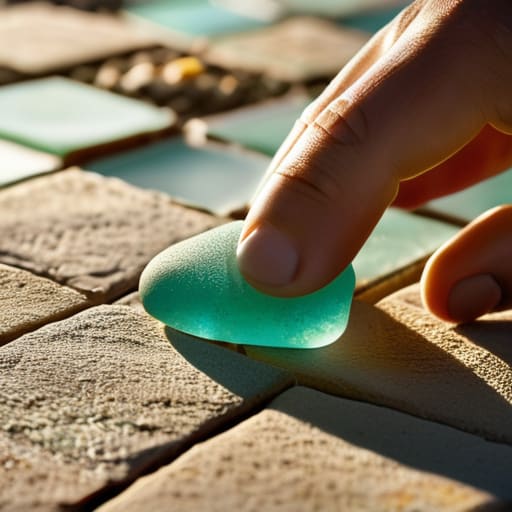
So, how do we actually take these abstract concepts and weave them into the fabric of our actual lives? It’s not about overnight transformations or radical shifts that leave you feeling burnt out by Tuesday. Instead, I like to lean into habit stacking techniques to make the transition feel seamless. Think of it like layering a new piece of sea glass into a mosaic; you aren’t rebuilding the whole piece, you’re just adding a beautiful, intentional element to what already exists. If you already have a morning ritual, like brewing a cup of coffee, try pairing it with a new sustainable action, such as checking your reusable grocery bags.
By applying these atomic habits principles, you stop viewing sustainability as a daunting mountain to climb and start seeing it as a series of small, manageable steps. The real magic happens when you focus on the micro-wins. Whether it’s mastering the art of composting or simply remembering your reusable straw, these tiny shifts build the momentum needed for long-term change. It’s all about finding that rhythm where your eco-conscious choices stop feeling like “tasks” and start feeling like a natural extension of who you are.
Micro-Shifts: Five Ways to Anchor Your New Eco-Rituals
- Start with the “Two-Minute Rule” to bypass resistance. If you want to start composting, don’t aim to overhaul your entire kitchen waste system overnight; just commit to spending two minutes scraping your plates into a small bin. Making the barrier to entry incredibly low ensures that even on your busiest days, the habit sticks.
- Use “Habit Stacking” to weave sustainability into your existing flow. Think of your current routines as the foundation. You might decide that after you pour your morning coffee, you will immediately check your reusable grocery bag to ensure it’s by the door. By tethering a new green habit to an old one, you’re using your brain’s existing neural pathways to do the heavy lifting.
- Design your environment for effortless success. If you struggle with remembering your reusable water bottle, don’t hide it in a cupboard; place it right next to your keys on the entryway table. Just like I arrange my sea glass by color to make my DIY projects more inviting, arranging your space to make the “right” choice the “easiest” choice is a total game-changer.
- Focus on identity over outcomes. Instead of telling yourself, “I am trying to reduce plastic use,” tell yourself, “I am the type of person who prioritizes the planet.” When you shift your mindset from a chore to a core part of who you are, your habits stop feeling like willpower battles and start feeling like authentic expressions of yourself.
- Celebrate the small wins to keep the momentum flowing. We often wait for massive environmental milestones to feel successful, but that’s a recipe for burnout. Did you remember your bamboo toothbrush today? That’s a victory. Acknowledge those tiny ripples of progress; they are the essential nutrients that allow your long-term sustainable lifestyle to truly take root and grow.
Small Ripples, Lasting Waves: Your Sustainable Habit Roadmap
Focus on the “micro-wins” rather than the grand overhaul; much like how a single piece of sea glass is shaped by consistent, gentle waves, your lifestyle evolves through tiny, repeated actions that eventually become second nature.
Design your environment to make the green choice the easiest choice, ensuring your physical space nudges you toward your intentions rather than working against them.
Prioritize consistency over perfection, remembering that a single imperfect day doesn’t undo your progress, just as one stormy tide doesn’t wash away the entire coastline.
The Ripple Effect of Small Choices
Think of your habits not as rigid rules, but as the gentle, rhythmic tides of the Maine coast; they might seem small in the moment, but when they become consistent, they possess the quiet power to reshape the entire shoreline of your life.
Jordan Mitchell
The Ripple Effect of Your Choices

As we’ve explored, building a sustainable lifestyle isn’t about overnight transformations or radical, unsustainable shifts. It’s about understanding the mechanics of your own behavior—mastering that delicate dance between the cue, the routine, and the reward. By applying these atomic principles to our daily lives, we stop fighting against our nature and start designing systems that work with us. Whether it’s choosing a reusable container or setting a digital boundary, these small, intentional shifts are the building blocks of a much larger, more resilient version of yourself. Remember, the goal isn’t perfection; it’s about consistent, incremental progress that eventually becomes second nature.
I often think back to the sea glass I find on the Maine coast. Each piece started as something broken and jagged, tossed around by harsh tides and weathered by the elements. Yet, through time and persistence, those very same forces polished them into something breathtakingly beautiful. Your journey toward sustainable living is much the same. There will be days when the tide feels too strong, but if you keep showing up, those small actions will eventually smooth out into a lifestyle of grace and purpose. Let’s commit to being the architects of our own change, knowing that every tiny habit is a ripple that eventually becomes a wave.
Frequently Asked Questions
How do I stay motivated when my initial enthusiasm for a new eco-friendly habit starts to fade?
It’s completely normal for that initial spark to flicker; even the strongest tides ebb and flow. When the novelty wears off, stop relying on willpower and start reconnecting with your “why.” I find it helpful to look back at my progress—maybe it’s a photo of a successful compost bin or a jar of sea glass from a beach cleanup. Focus on the small wins. Remember, sustainability isn’t about perfection; it’s about showing up, even on the quiet days.
Can I realistically implement these habit shifts if I'm living in a small apartment with limited space for sustainable setups?
Absolutely! I used to think I needed a sprawling backyard to make a difference, but living in a tiny urban space actually forces a beautiful kind of intentionality. Think vertical herb gardens, compact composting bins, or even just mindful shopping. Small footprints don’t limit your impact; they just require a bit more creativity. Just like my sea glass collections, sometimes the most beautiful transformations come from making the most of the little things we already have.
How do I balance building new, intentional rituals without feeling overwhelmed by the sudden change in my daily routine?
Think of it like introducing a new species to a delicate coastal ecosystem; if you do too much at once, the balance breaks. Instead of a total overhaul, try “habit stacking.” Attach one tiny, sustainable ritual—like using a reusable coffee cup—to something you already do instinctively. By layering small changes onto your existing rhythm, you prevent that overwhelming tidal wave of stress and allow your new lifestyle to settle in naturally.
