The Best Houseplants for People Who Kill Plants
I still remember the first time I tried to bring a bit of the Maine coast into my tiny city apartment; I ended up with more brown leaves than actual greenery. It can feel incredibly daunting to start your own indoor jungle when you’re worried about accidentally turning a living thing into compost. We often think of ourselves as “black thumbs,” but the truth is that most of us just haven’t found the right companions yet. Finding the right houseplants for beginners isn’t just about aesthetics; it’s about building a meaningful connection to the natural world right within your own four walls, even if you don’t have a backyard to call your own.
In this guide, I’ve handpicked five resilient, low-maintenance beauties that are practically designed to thrive alongside your busy lifestyle. I’m going to walk you through my top picks, focusing on plants that offer maximum impact with minimal fuss. By the end of this list, you’ll have the confidence to select species that not only survive but truly flourish, helping you cultivate a sustainable, breathing sanctuary that feels as intentional as it is beautiful.
Table of Contents
The Resilient Snake Plant
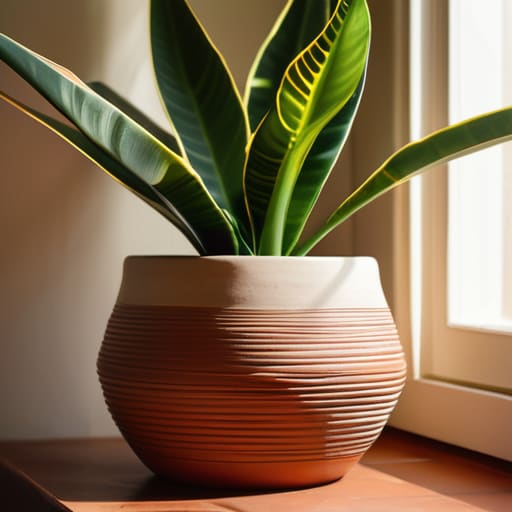
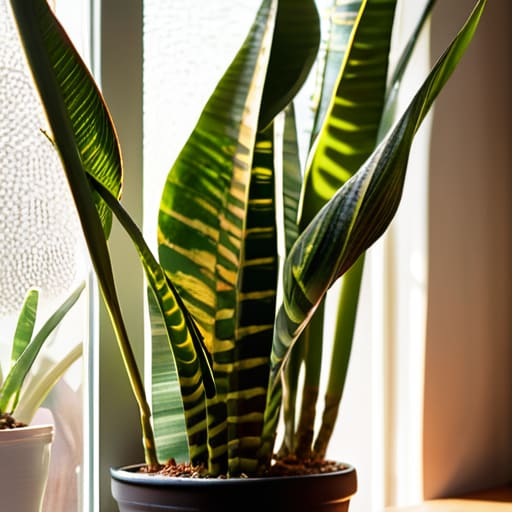
If you’re someone who occasionally forgets that plants need water as much as we do, the Snake Plant is going to be your new best friend. I remember when I first started my indoor garden in a tiny apartment; I was so nervous about killing everything, but these architectural beauties are practically indestructible. They thrive on a bit of neglect, making them perfect for those busy weeks when your schedule feels a little overwhelming.
Pothos: The Graceful Climber
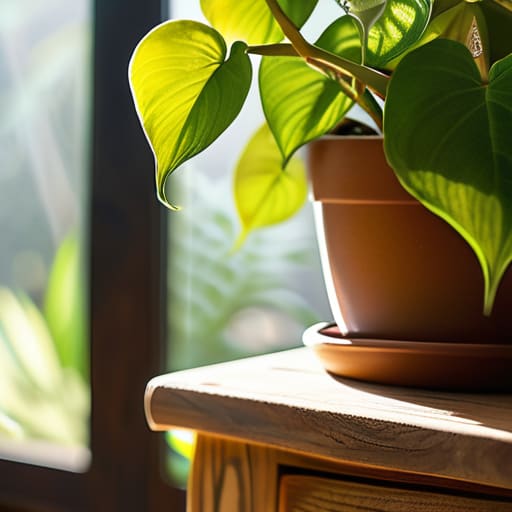
There is something incredibly soothing about watching a Pothos vine slowly trail down from a bookshelf or a hanging planter. I love these because they provide that lush, jungle-like aesthetic without requiring a degree in botany to keep them happy. They are incredibly communicative, too; when they’re thirsty, their leaves will wilt just a little bit, giving you a gentle nudge that it’s time for a drink.
The Low-Maintenance ZZ Plant
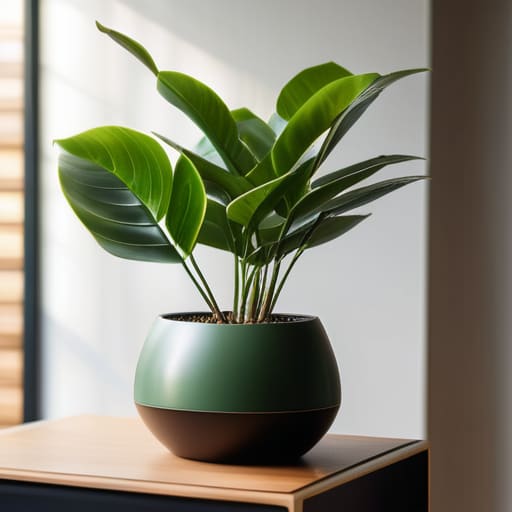
The ZZ Plant is the epitome of “set it and forget it,” and I mean that in the most complimentary way possible. Its waxy, deep green leaves have a natural sheen that looks almost polished, adding a touch of modern elegance to any room. Because they grow from rhizomes that store water underground, they are incredibly drought-tolerant, meaning you won’t feel guilty if you miss a watering session during a hectic work week.
Heartleaf Philodendron
If you’re looking for something with a bit more soul and a softer silhouette, the Heartleaf Philodendron is a stunning choice. The way the leaves are shaped—like tiny, perfect hearts—adds a lovely, organic feel to a room’s decor. Much like the Pothos, these are quite forgiving, but they tend to have a slightly more delicate appearance that makes them feel a bit more special.
Spider Plant: The Natural Purifier
The Spider Plant is a classic for a reason, and it’s one of those plants that just seems to radiate positive energy. They are famous for producing “babies”—small plantlets that dangle from the mother plant on long stems—which makes them incredibly fun to observe. It’s like watching a tiny, slow-motion explosion of life right on your windowsill.
Cultivating Your Green Sanctuary
Remember that sustainability starts with intention; choosing resilient, low-maintenance plants isn’t just about ease, it’s about creating a lasting connection with nature that fits your actual lifestyle.
Don’t let the fear of a brown leaf stop you—every plant parent learns through trial and error, and these little setbacks are just part of the beautiful, messy process of growing together.
View your indoor jungle as more than just decor; it’s a small, meaningful way to invite the restorative energy of the natural world into your digital-driven daily life.
Cultivating Connection
“Bringing a plant into your home isn’t just about decorating a corner; it’s about starting a quiet, living dialogue with nature that reminds us how much beauty can thrive from just a little bit of consistent, intentional care.”
Jordan Mitchell
Cultivating Your Own Green Sanctuary
As we wrap up this journey into the world of indoor greenery, remember that building your plant collection is less about perfection and more about finding your rhythm. Whether you’ve opted for the indestructible resilience of a Snake Plant or the lush, forgiving leaves of a Pothos, the goal is to create a living environment that supports your lifestyle. By selecting these low-maintenance companions, you aren’t just decorating a room; you are actively participating in a meaningful connection with nature right within your own four walls. Don’t be discouraged if a leaf yellows or a stem wilts—every plant parent learns through observation and a little bit of trial and error.
Ultimately, bringing these small pieces of the natural world into your home is a beautiful, intentional act of stewardship. It’s a reminder that even in our fast-paced, digital lives, we can still find peace in the slow, steady growth of a new leaf. I truly believe that these small, daily rituals of watering and light-checking serve as micro-moments of mindfulness that ground us. So, grab your watering can, find that perfect sunlit corner, and start growing your sanctuary. Every single sprout is a tiny, living victory for your well-being and the planet we call home.
Frequently Asked Questions
I love the idea of a green sanctuary, but how do I know if my apartment actually gets enough natural light for these plants to thrive?
That’s such a common worry, and honestly, it’s the best place to start. I like to do a little “light audit” on a weekend morning. Observe your space at different times; if you can comfortably read a book without a lamp, you’ve likely got bright, indirect light. If your corners feel a bit moody or dim, don’t fret—that just means we lean toward low-light champions like Snake Plants. It’s all about matching the plant to your home’s unique rhythm.
Is there a way to choose plants that are safe for my pets while still keeping my space looking lush and eco-chic?
Absolutely, you can definitely have both! I used to worry about my pets whenever I brought home a new leafy friend, but it’s all about being intentional. Instead of reaching for a trendy but toxic Fiddle Leaf Fig, try leaning into non-toxic gems like Calatheas or Parlor Palms. They offer that same lush, tropical vibe while keeping your furry companions safe. It’s about choosing beauty that aligns with your values—and your pet’s well-being.
I'm worried about wasting resources; what's the best way to water my new plants without overdoing it or causing unnecessary waste?
I completely hear you—the fear of wasting water is a real part of the sustainable mindset. I like to think of it as “mindful hydration.” Instead of a rigid schedule, try the finger test: poke the soil an inch deep; if it’s still damp, hold off. To minimize waste, I always reuse the leftover water from washing my organic veggies or even let my rain barrel runoff sit for a day. It’s all about listening to the plant.
