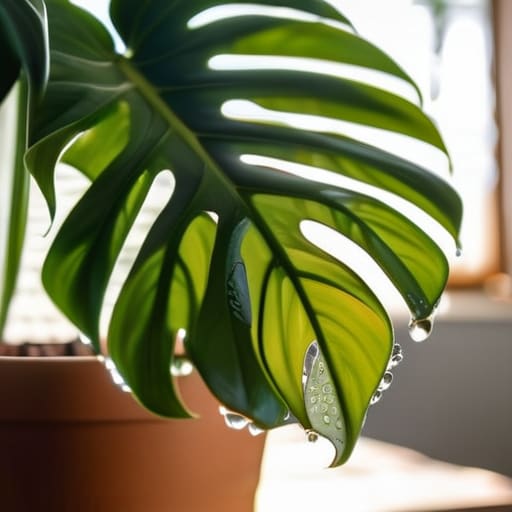
How to Keep Your Houseplants Alive and Thriving
I remember sitting on my floor in a tiny, cramped apartment, surrounded by the heartbreaking sight of a shriveled Monstera and a handful of dried-out succulents. I felt like I’d failed some unspoken test of nature, convinced that I simply didn’t have the “green thumb” required to keep anything alive. But looking back, the problem wasn’t my intuition; it was the overwhelming amount of contradictory, high-maintenance advice cluttering my feed. Most people make learning how to care for houseplants feel like a complex science experiment involving expensive specialized lights and hyper-specific nutrient ratios that you just don’t need. It’s frustrating because it turns a beautiful way to connect with nature into a source of unnecessary stress.
I’m not here to sell you on a dozen fancy gadgets or complicated schedules that don’t fit a real, busy life. Instead, I want to share the practical, grounded wisdom I’ve gathered from years of trial, error, and environmental consulting. My promise to you is simple: we’re going to strip away the hype and focus on the intentional rituals that actually work. We’ll dive into the honest, experience-based basics of light, water, and soil so you can transform your living space into a thriving indoor sanctuary with confidence.
Table of Contents
- Finding the Perfect Glow Mastering Indoor Plant Light Requirements
- Crafting the Ideal Foundation Choosing the Best Soil for Indoor Plants
- The Art of Attunement: Five Rituals for a Flourishing Indoor Jungle
- Cultivating Your Green Sanctuary: The Heart of Plant Care
- ## The Soul of the Soil
- Cultivating Your Green Sanctuary
- Frequently Asked Questions
Finding the Perfect Glow Mastering Indoor Plant Light Requirements
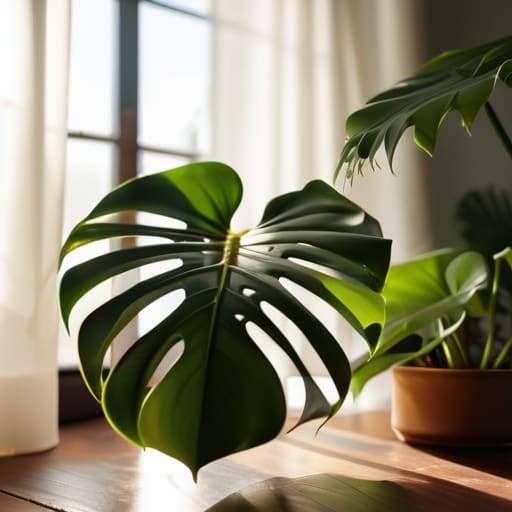
Finding the right light can feel a bit like trying to find the perfect spot on a Maine beach at sunset—it’s all about the nuance. Most of us start with a beautiful plant, only to realize its needs don’t quite match our living room’s vibe. Understanding indoor plant light requirements isn’t just about keeping them alive; it’s about helping them truly thrive. You’ll want to observe how the sun moves through your space throughout the day. A bright, indirect light is the “sweet spot” for many, mimicking the dappled sunlight you’d find under a forest canopy.
If you notice your leaves stretching toward the window like they’re reaching for a lifeline, they’re likely craving more brightness. Conversely, scorched, crispy edges often mean they’re getting a bit too much direct heat. It’s a delicate balance, but once you master it, you’ll see a transformation in their color and vigor. Think of light as the fundamental energy source that dictates everything else, from how often you’ll need to adjust your fertilizing indoor plants schedule to how much water they’ll drink.
Crafting the Ideal Foundation Choosing the Best Soil for Indoor Plants
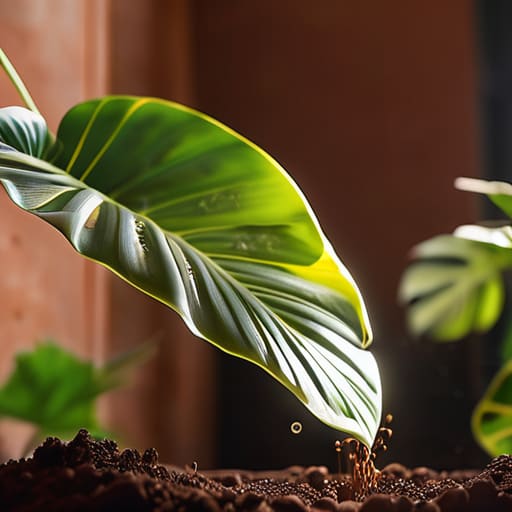
If light is the soul of your indoor garden, then soil is undoubtedly its heartbeat. I often think of soil not just as “dirt,” but as a living, breathing foundation that provides the essential nutrients and structural support your greenery needs to thrive. When you’re searching for the best soil for indoor plants, the biggest mistake you can make is grabbing a generic bag of garden soil from the local hardware store. Garden soil is often too heavy and dense for containers, which can lead to compaction and root rot—a heartbreaking way to lose a plant you’ve worked so hard to nurture.
Instead, I recommend looking for high-quality, well-draining potting mixes specifically formulated for indoor environments. A good mix should feel light and airy, often incorporating perlite or coconut coir to ensure oxygen can reach those delicate roots. If you’re tending to more sensitive species, you might need to customize your blend to better manage humidity for tropical houseplants, perhaps by adding extra organic matter like worm castings. Choosing the right medium is a small, intentional act of stewardship that sets the stage for a lifetime of lush, vibrant growth.
The Art of Attunement: Five Rituals for a Flourishing Indoor Jungle
- Listen to your plant’s thirst: Instead of sticking to a rigid weekly schedule, try the finger test to see if the top inch of soil is truly dry; it’s about responding to their unique rhythms rather than following a clock.
- Embrace the mist: Many of our leafy companions crave that coastal humidity we often miss in modern homes, so consider a gentle morning misting or a pebble tray to mimic the refreshing dampness of a Maine morning.
- Feed with intention: Think of liquid fertilizer as a seasonal tonic that replenishes the nutrients your plants have worked so hard to use, but remember to keep it light—less is always more when it comes to nourishment.
- Prune for purpose: Don’t be afraid to snip away those yellowing or tired leaves; it might feel a bit drastic, but it actually redirects the plant’s energy toward fresh, vibrant new growth.
- The gentle touch of cleanliness: Dust can act like a tiny barrier to photosynthesis, so occasionally wiping your leaves with a damp, soft cloth allows them to breathe deeply and truly soak up every bit of that light we worked so hard to find.
Cultivating Your Green Sanctuary: The Heart of Plant Care
Listen to what your plants are telling you; whether it’s a drooping leaf or a change in color, these subtle cues are nature’s way of asking for a little more intention in your care routine.
View watering not as a chore on a checklist, but as a mindful ritual that connects you to the rhythm of the natural world right inside your own home.
Remember that consistency and patience are your best tools, as creating a thriving indoor ecosystem is a slow, beautiful journey of trial, error, and growth.
## The Soul of the Soil
“Caring for a houseplant is so much more than just following a maintenance schedule; it’s about learning to listen to the quiet language of living things and realizing that when we nurture their growth, we’re actually cultivating a little piece of peace within ourselves.”
Jordan Mitchell
Cultivating Your Green Sanctuary
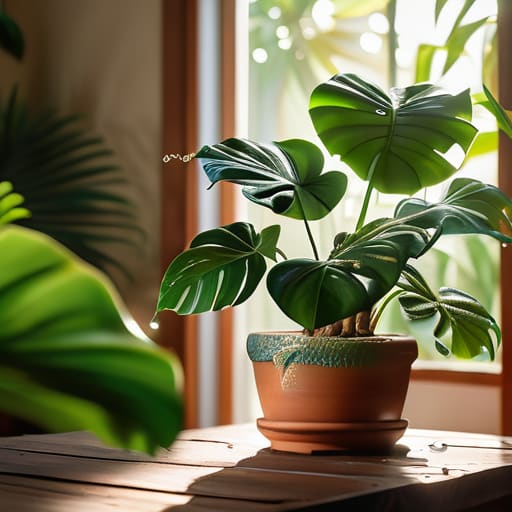
As we wrap up our journey through the essentials of plant parenthood, remember that success lies in the details. We’ve explored how to find that perfect, dappled sunlight to mimic a forest floor and how to select a soil foundation that breathes alongside your roots. It isn’t just about checking a box on a care schedule; it’s about understanding the unique rhythm of each leaf and stem. By mastering these fundamentals—light, soil, and a watchful eye—you aren’t just keeping a plant alive; you are curating a living ecosystem right within your own four walls.
Ultimately, I want you to view your indoor garden as more than just decor. Think of it as a small, intentional ritual that connects you back to the natural world, even in the middle of a bustling city. There will be moments when a leaf yellows or a stem wilts, but don’t let that discourage you. Those little setbacks are just part of the learning process, much like finding the perfect piece of sea glass after a long walk on the coast. Embrace the growth, celebrate the new sprouts, and remember that every tiny bit of care you give is a beautiful step toward a more mindful, sustainable lifestyle.
Frequently Asked Questions
How can I tell if I'm overwatering my plants without constantly checking the soil?
Instead of playing a guessing game with your fingers, try observing the subtle language of your plants. Keep an eye out for yellowing leaves that feel a bit mushy, or perhaps a sudden drooping that doesn’t resolve with a drink. Often, the most telling sign is the weight of the pot; if it feels unexpectedly heavy, that moisture is still lingering deep down. Think of it as learning to read their silent signals.
Are there any eco-friendly or DIY ways to fertilize my indoor greenery without using harsh chemicals?
Feeding your plants doesn’t have to mean reaching for a plastic bottle of synthetic chemicals. I love leaning into what my kitchen already offers. A simple, diluted way to boost nitrogen is using leftover cooled pasta water or even a bit of crushed eggshells for calcium. If you’re feeling adventurous, a tiny amount of compost tea works wonders. It’s about treating your plants to a nutrient-rich ritual that respects the earth.
What are the best ways to manage common indoor pests naturally, especially if I want to keep my home safe for pets?
Nature’s Little Uninvited Guests: Keeping Your Greenery (and Pets) Safe
