
How to Prevent Mold in Your Home Before It Starts
I still remember the first time I walked into my tiny studio apartment after a particularly humid Maine summer; the air didn’t just feel heavy, it felt wrong. There was this unmistakable, earthy scent—a dampness that seemed to cling to the very walls—and that sinking realization that I’d let my sanctuary slip into decay. Most people will tell you that fighting it requires a mountain of harsh, toxic chemicals or expensive high-tech air purifiers, but honestly? That’s just a way to sell you a solution to a problem that actually requires mindfulness. Learning how to prevent mold isn’t about buying more stuff; it’s about understanding the natural rhythm of your living space and respecting the way moisture moves through it.
I’m not here to give you a checklist of industrial-strength cleaners that’ll leave your home smelling like a laboratory. Instead, I want to share a more intentional approach—one that blends practical, low-impact habits with the kind of resourceful wisdom I’ve gathered from years of environmental consulting. We’re going to dive into simple, sustainable ways to keep your air fresh and your surfaces dry, focusing on small, everyday shifts that protect both your health and the planet. Let’s turn your home back into the breathable, vibrant space it was meant to be.
Table of Contents
- Controlling Indoor Humidity Levels for a Balanced Home
- The Art of Preventing Condensation on Windows
- Small Shifts, Big Impact: My Top 5 Strategies for a Mold-Free Sanctuary
- Small Shifts for a Healthier, More Resilient Home
- Living in Harmony with Your Home’s Breath
- Small Shifts, Lasting Change
- Frequently Asked Questions
Controlling Indoor Humidity Levels for a Balanced Home

Think of your home as a living, breathing ecosystem. Just like the coastal air in Maine can shift from a refreshing breeze to a heavy mist, the moisture levels inside your living space need constant, gentle calibration. One of the most effective ways of controlling indoor humidity levels is to stay mindful of the moisture we inadvertently introduce during our daily routines. For instance, when you’re cooking or showering, you’re essentially adding a burst of humidity to your microclimate. I’ve found that simply being intentional about these moments—like keeping a window cracked or running a fan—can make a world of difference in keeping your sanctuary balanced.
If you notice moisture clinging to your glass, you’re likely seeing the early signs of preventing condensation on windows being neglected. This buildup is often a quiet signal that your home’s “breath” is a bit too heavy. To counter this, I always suggest looking into the dehumidifier benefits for mold prevention; it’s like giving your home a way to exhale that excess dampness. By maintaining that sweet spot of humidity, you aren’t just protecting your walls; you’re nurturing a space that feels as fresh and revitalizing as a morning walk by the sea.
The Art of Preventing Condensation on Windows

If you’ve ever woken up to find your bedroom windows looking like they’re covered in a thick, milky fog, you aren’t alone. That moisture isn’t just a nuisance; it’s a direct signal that your home’s internal climate is slightly out of sync. Preventing condensation on windows is really about managing that invisible moisture before it settles into those tiny, vulnerable crevices in your window frames. I like to think of it as helping your home “breathe” more effectively, ensuring that the warmth of your living space doesn’t collide too aggressively with the cool glass.
One of my favorite low-tech tricks is simply ensuring your curtains aren’t acting like a heavy blanket that traps damp air against the pane. By keeping them slightly parted, you allow for better air circulation. However, if you notice persistent moisture, it might be time to look closer at your bathroom ventilation tips or consider a small, energy-efficient dehumidifier. It’s a subtle shift, but by addressing these damp spots early, you’re effectively stopping the cycle before you ever have to worry about identifying more serious signs of mold growth in homes.
Small Shifts, Big Impact: My Top 5 Strategies for a Mold-Free Sanctuary
- Mindful Cleaning with Natural Solutions: Instead of reaching for harsh, synthetic chemicals that can disrupt your home’s ecosystem, try using a simple mixture of white vinegar and water. It’s a gentle, effective way to wipe down surfaces and keep spores at bay without introducing unwanted toxins into your breathing space.
- The Power of Strategic Airflow: Just like the refreshing breeze on the Maine coast, your home needs to breathe. Don’t be afraid to crack a window for a few minutes every day, or use small, stylish fans to ensure air isn’t stagnating in those quiet, tucked-away corners where mold loves to settle.
- Managing Your Wet Zones: We all love a long, steaming shower, but moisture is the enemy here. After you’re done, take a quick moment to squeegee your tiles or wipe down the walls. It’s a tiny, intentional habit that prevents water from lingering and becoming a breeding ground for unwanted growth.
- Inspecting the Hidden Nooks: Once in a while, I like to do a “wellness check” on my home, looking behind furniture or under sinks. Moving a bookshelf just an inch away from a wall can create the vital gap needed for air to circulate, preventing that damp, musty buildup in hidden spots.
- Caring for Your Textiles: We often forget that our linens and rugs can hold onto moisture too. Making sure your towels are completely dry before folding them, or ensuring your laundry room is well-ventilated, keeps your fabrics fresh and prevents that subtle, earthy scent of dampness from creeping into your living area.
Small Shifts for a Healthier, More Resilient Home
Think of moisture management as a way of honoring your home’s natural rhythm; by staying mindful of humidity and airflow, you’re not just preventing mold, you’re nurturing a space that breathes with you.
Sustainable living is often found in the small, intentional details—like choosing the right ventilation or simple DIY tweaks—that collectively protect your environment and your well-being.
Don’t view mold prevention as a chore, but as a creative opportunity to cultivate a more balanced, intentional, and eco-friendly sanctuary for yourself and your loved ones.
Living in Harmony with Your Home’s Breath
“Preventing mold isn’t just about checking off a maintenance list; it’s about learning to listen to the rhythm of your home. When we treat our living spaces as living, breathing ecosystems—prioritizing airflow and mindful moisture control—we aren’t just protecting our walls, we’re nurturing a healthier, more intentional way of life.”
Jordan Mitchell
Small Shifts, Lasting Change
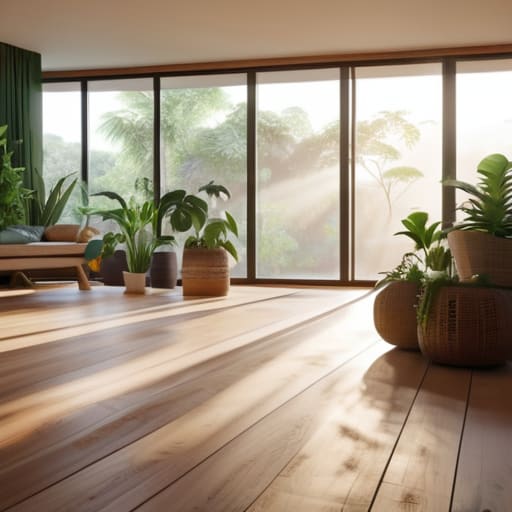
As we’ve explored, keeping mold at bay isn’t about a single, massive overhaul of your living space; it’s about the subtle, consistent rhythms we establish within our homes. By staying mindful of humidity levels, ensuring your windows aren’t acting as magnets for condensation, and simply listening to the way your home breathes, you create a much more resilient environment. Whether it’s utilizing a simple dehumidifier or just opening a window to let the fresh air circulate, these small, intentional habits act as your first line of defense. It’s really about cultivating a balanced ecosystem right where you live, ensuring your sanctuary remains as healthy as it is beautiful.
Ultimately, I want you to remember that sustainable living is a journey of many small victories. Just like my sea glass projects, where I take something weathered and turn it into something purposeful, you can take these simple maintenance steps and turn them into a foundation for a truly wellness-focused lifestyle. Don’t feel overwhelmed by the idea of perfection; instead, focus on the meaningful impact of your daily choices. Every time you choose to manage your home’s moisture, you are investing in a cleaner, more vibrant future for yourself and the planet. Let’s keep moving forward, one mindful habit at a time.
Frequently Asked Questions
If I notice a small patch of mold already forming, is it better to clean it immediately with natural remedies or should I call in a professional right away?
If you spot a small, localized patch, don’t panic—it’s often something you can tackle yourself. I usually reach for a gentle, natural solution like white vinegar to stop it in its tracks. Think of it as a quick course correction for your home’s ecosystem. However, if the area feels larger than a postage stamp or if you notice a persistent musty scent, that’s your sign to call in a professional. Better to be safe than sorry.
Are there specific types of eco-friendly building materials or non-toxic paints that can help naturally regulate moisture in an older home?
When you’re working with an older home, it’s all about choosing materials that actually breathe. I’m a huge advocate for lime-based plasters and clay paints; unlike synthetic options that trap moisture against your walls, these natural materials are “hygroscopic,” meaning they absorb and release moisture as needed. It’s like giving your house its own natural lungs. Pairing these with hempcrete or cork insulation can create a beautifully regulated, non-toxic sanctuary that respects the home’s original character.
How much does my choice of indoor plants actually impact the humidity levels and the potential for mold growth in my living space?
It’s a beautiful irony, isn’t it? We bring plants inside to connect with nature, yet they’re constantly breathing right along with us. Through transpiration, your leafy roommates actually release moisture into the air. While a few succulents won’t shift the needle, a lush indoor jungle can significantly bump up humidity. If your space already feels a bit damp, just keep an eye on them—too much moisture in one spot can inadvertently invite those pesky mold spores to settle.
