Budget Decorating Ideas That Look High-end
I remember sitting on the floor of my first tiny apartment in New York, surrounded by half-unpacked boxes and a growing sense of dread. I kept scrolling through those endless, polished home decor feeds, feeling like I had to choose between a mountain of debt or living in a sterile, soul-less box. There’s this pervasive, exhausting myth that to create a space that actually feels like home, you need to participate in the endless cycle of fast-furniture consumption. But honestly? Most of those “designer” looks are just expensive distractions. I’ve realized that true style isn’t about how much you can swipe on a credit card; it’s about finding creative budget decorating ideas that honor both your wallet and the planet.
I’m not here to sell you on more plastic trinkets or trendy items that will end up in a landfill by next season. Instead, I want to share the intentional, resourceful methods I’ve gathered from years of DIYing with sea glass and repurposing forgotten treasures. We’re going to dive into practical, eco-chic ways to breathe life into your space without the environmental guilt. Consider this my promise: we’re going to transform your home into a sanctuary of substance, one thoughtful, low-cost swap at a time.
Table of Contents
- Thrift Store Decor Finds Breathing New Life Into Forgotten Treasures
- Low Cost Interior Design Tips for a Mindful Home
- Small Shifts, Big Impact: My Five Go-To Strategies for Eco-Conscious Styling
- Small Shifts, Big Impact: My Final Thoughts on Mindful Decorating
- The Soul of a Sustainable Home
- Designing with Intention and Heart
- Frequently Asked Questions
Thrift Store Decor Finds Breathing New Life Into Forgotten Treasures
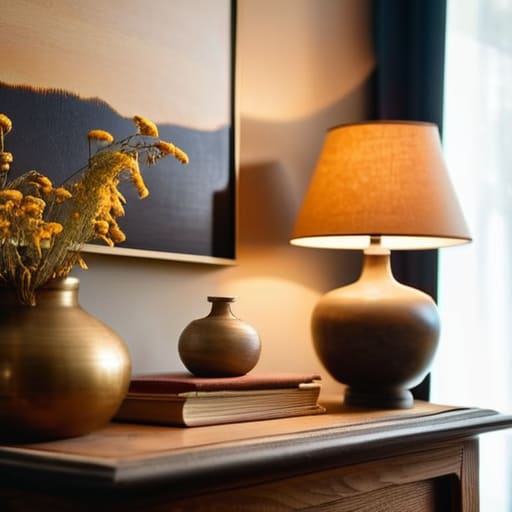
There’s a specific kind of magic found in the dusty aisles of a local charity shop—a sense that you’re not just shopping, but embarking on a scavenger hunt for soul. When I’m hunting for thrift store decor finds, I’m not looking for perfection; I’m looking for potential. I’ve often found a weathered oak side table or a tarnished brass lamp that just needs a little bit of love to find its purpose again. Instead of contributing to the cycle of fast furniture waste, choosing pre-loved pieces allows you to curate a home that feels layered and intentional rather than mass-produced.
One of my favorite repurposing old furniture techniques involves a simple sand-and-seal method. I recently rescued a mid-century modern dresser that had seen better days, and with just a bit of eco-friendly sanding and a coat of natural oil, it became the centerpiece of my living room. It’s a way to achieve a high-end look without the heavy environmental footprint. Remember, the goal isn’t to make things look brand new, but to honor their history while giving them a fresh, modern chapter in your space.
Low Cost Interior Design Tips for a Mindful Home
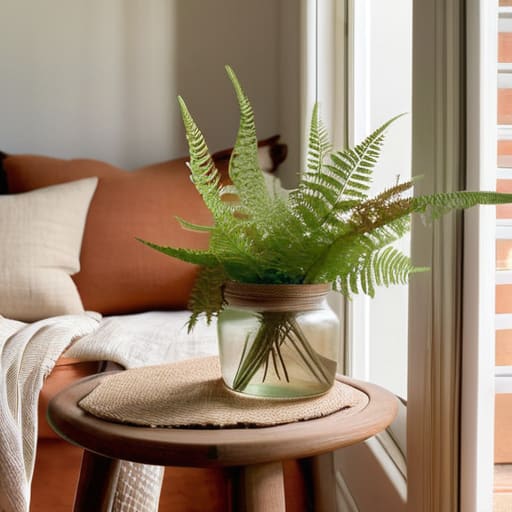
Beyond just hunting for treasures, creating a mindful home is really about the intentionality behind how we arrange our space. One of my favorite low cost interior design tips is to embrace the power of light and greenery. Instead of buying expensive, mass-produced decor, try bringing the outside in. A few well-placed terracotta pots with native ferns or even some dried wildflowers in a glass jar can shift the entire energy of a room. It’s about creating a sanctuary that feels connected to the earth, rather than a showroom filled with plastic clutter.
Another way to approach a diy home makeover on a budget is to focus on the “edit” rather than the “add.” We often feel the urge to fill every empty corner, but true sustainability often lies in minimalist budget decorating. By clearing away the excess, you allow your most meaningful pieces—like that weathered piece of driftwood or a hand-thrown ceramic vase—to actually breathe. This creates a sense of calm and purpose, proving that a beautiful, eco-conscious home isn’t about how much you spend, but how much heart you put into the curation.
Small Shifts, Big Impact: My Five Go-To Strategies for Eco-Conscious Styling
- Embrace the Art of the Swap: Before you hit ‘buy’ on something new, host a cozy plant or decor swap with friends. It’s a beautiful way to refresh your space with items that already have a history, keeping perfectly good pieces out of the landfill and adding a unique, soulful touch to your home.
- Bring the Outside In: Nature is the ultimate designer, and it doesn’t charge a dime. Instead of buying plastic decor, use what the earth provides—driftwood from your last beach walk, interesting stones, or even some simple dried wildflowers. It grounds your room and brings that calming, coastal energy right into your living room.
- The Power of Textile Refreshes: Sometimes a room feels stale not because it’s empty, but because the textures are tired. Instead of replacing entire sets of linens, try swapping out just a few organic cotton pillowcases or a hand-woven throw. It’s a low-impact way to shift the entire mood of a room without the waste of a full overhaul.
- Upcycle Your Lighting: Lighting can completely transform the vibe of a space, but new designer lamps are rarely budget-friendly. I love taking old, mismatched vessels—think vintage ceramic jars or even interesting glass bottles—and turning them into unique lamp bases. It’s a little bit of digital-age DIY magic that adds instant character.
- Curate, Don’t Just Accumulate: We often feel the urge to fill every empty corner, but true eco-chic style is about intentionality. Practice the “one in, one out” rule or simply give your current pieces room to breathe. A minimalist approach isn’t just better for your wallet; it creates a much more mindful, serene environment for you to live in.
Small Shifts, Big Impact: My Final Thoughts on Mindful Decorating
Remember that true style isn’t about how much you spend, but how much intention you pour into the pieces you choose; prioritize quality and character over the fleeting rush of fast furniture.
Don’t be afraid to get your hands a little dirty with DIY projects—repurposing what you already own is the most sustainable (and rewarding) way to inject your unique personality into your space.
View your home as a living ecosystem where every thrifted find and upcycled treasure tells a story, proving that eco-conscious living can be both incredibly beautiful and kind to your wallet.
The Soul of a Sustainable Home
“True style isn’t about how much you can spend, but how much intention you can pour into the pieces you choose; when we decorate with mindfulness, we aren’t just filling a room, we’re curating a legacy of care for both our homes and our planet.”
Jordan Mitchell
Designing with Intention and Heart
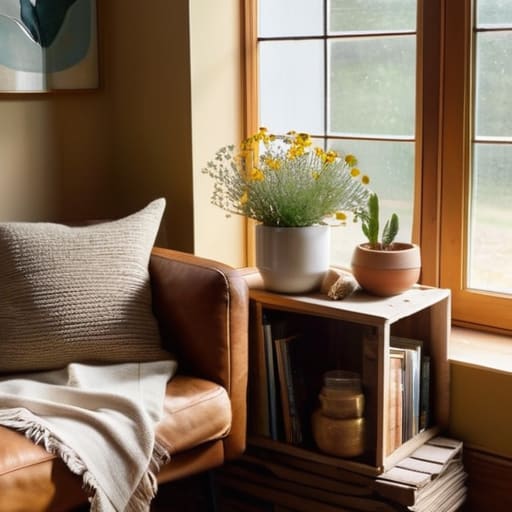
As we’ve explored, creating a space that feels like home doesn’t require a massive credit card limit or a showroom-sized budget. By scouting through thrift stores for those unique, forgotten treasures and applying mindful design principles, you’ve already taken the biggest step toward a more conscious lifestyle. Whether it’s repurposing an old wooden crate or simply rearranging your existing furniture to catch the afternoon light, these small shifts prove that true style is born from resourcefulness, not consumption. Remember, the goal isn’t to follow every fleeting trend, but to curate a collection of items that tell your unique story while honoring the planet we all share.
At the end of the day, your home should be a reflection of your values—a sanctuary that feels as good as it looks. I truly believe that when we choose to repair, repurpose, and rethink instead of simply buying new, we are participating in a much larger, beautiful movement of environmental stewardship. It’s about finding the extraordinary in the ordinary, much like finding a piece of perfect, frosted sea glass tucked away in the sand. So, go ahead and start that small project this weekend. Every intentional choice you make is a meaningful victory for both your soul and the Earth.
Frequently Asked Questions
How can I tell if a thrifted item is actually high-quality and worth the effort of refurbishing?
It’s easy to get swept up in the thrill of a bargain, but I always pause to check the “bones” of a piece. Run your hands over the surfaces—real wood feels warm and substantial, unlike the hollow chill of particle board. Check the joinery; dovetail joints are a golden sign of craftsmanship. If the structure is solid, even a few scratches are just character waiting for a little love and a fresh coat of eco-friendly finish.
Are there specific eco-friendly paints or finishes that won't break the bank when I'm upcycling furniture?
That is such a thoughtful question! When you’re upcycling, you want to avoid those harsh VOCs that linger in your home. Look for low-VOC or zero-VOC chalk paints; they’re incredibly forgiving for beginners and often more affordable than high-end eco-brands. I also love using milk paint for a vintage, coastal vibe—it’s non-toxic and incredibly sustainable. Just remember, a little bit of sanding goes a long way in making a budget finish look like a designer masterpiece.
How do I balance a budget-friendly, repurposed look without making my home feel cluttered or mismatched?
The secret is all in the “edit.” It’s easy to let a love for repurposed finds turn into a collection of beautiful chaos, but intentionality is key. I always suggest picking a cohesive color palette or a recurring natural texture—like reclaimed wood or linen—to act as an anchor. This creates a visual thread that ties your unique treasures together, ensuring your home feels curated and soulful rather than just cluttered.
