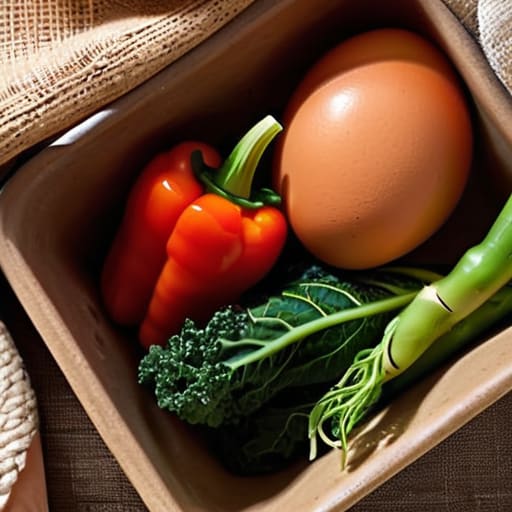
How to Eat Healthy on a Tight Budget
I still remember those early days in New York, standing in the middle of a high-end organic market, staring at a $9 bunch of kale and feeling a profound sense of disconnect. It felt like the wellness industry was trying to tell me that if I couldn’t afford a curated, aesthetic pantry full of imported superfoods, I wasn’t actually “doing” sustainability right. It’s a frustrating myth that implies healthy eating on a budget is somehow less virtuous or less effective than the expensive, plastic-wrapped versions we see plastered all over social media. To me, that’s not just bad for your wallet; it’s a distraction from the real work of intentional living.
I’m not here to sell you on any overpriced powders or trendy dietary hacks that require a second mortgage. Instead, I want to share the practical, resourceful strategies I’ve gathered from years of balancing environmental advocacy with real-world living. We’re going to dive into how you can nourish your body and honor the planet using simple, seasonal, and accessible ingredients. My promise to you is straight-forward, hype-free advice that proves you can eat well, live sustainably, and stay fiscally responsible all at once.
Table of Contents
- Mastering Nutritious Grocery Shopping Tips for Intentional Living
- Discovering Affordable Whole Foods That Respect Your Wallet
- Small Shifts, Big Impact: My Go-To Strategies for Mindful, Low-Waste Eating
- Small Steps Toward a Sustainable Plate
- ## A Philosophy of Mindful Consumption
- Small Steps, Big Impact
- Frequently Asked Questions
Mastering Nutritious Grocery Shopping Tips for Intentional Living
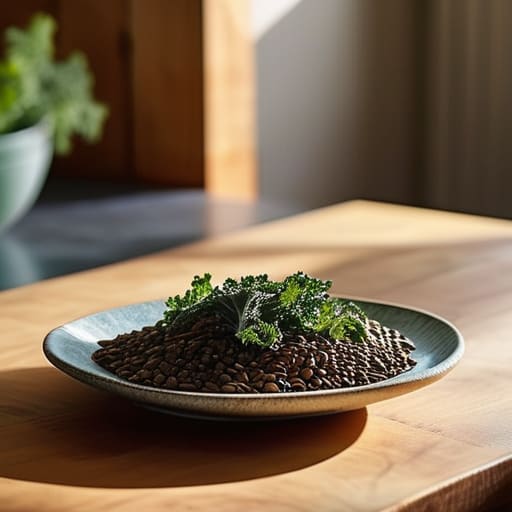
The secret to staying on track isn’t about restrictive lists; it’s about shifting your mindset toward affordable whole foods. When I head to the market, I try to view it less like a chore and more like a treasure hunt—much like searching for that perfect piece of frosted sea glass on a Maine shoreline. Instead of reaching for heavily processed, pre-packaged convenience items that often come with a hefty price tag and a mountain of plastic, I focus on the basics. Prioritizing staples like lentils, oats, and seasonal vegetables allows you to build a pantry that is both nourishing and incredibly cost-effective.
Another game-changer for my routine is embracing the seasonal produce benefits. Buying what is naturally in season doesn’t just mean you’re getting the freshest flavors; it also means you’re supporting local ecosystems and keeping costs significantly lower. To make this even more efficient, I’ve found that minimizing food waste through a little bit of intentional planning can save you a fortune. By looking at what you already have before you step out the door, you ensure that every dollar spent is a deliberate investment in both your health and our planet.
Discovering Affordable Whole Foods That Respect Your Wallet
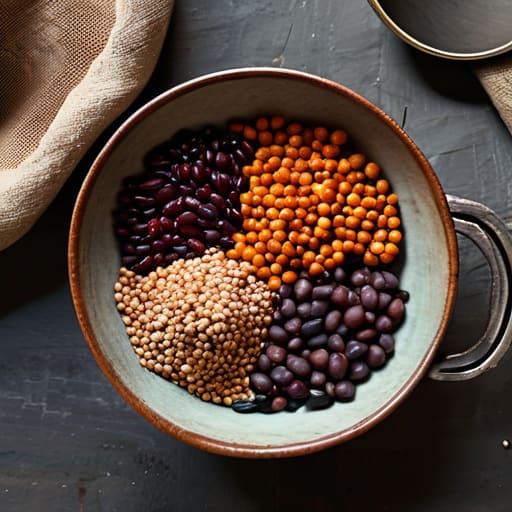
When we strip away the flashy, over-packaged marketing, we find that the most nourishing ingredients are often the most humble. I’ve learned that leaning into affordable whole foods—think hearty lentils, steel-cut oats, and various legumes—is a total game-changer for both your health and your bank account. These staples act as a canvas for creativity, allowing you to build diverse, flavorful meals without the premium price tag of processed “health foods.”
I also can’t stress enough the importance of timing your shopping with the rhythm of nature. Embracing the seasonal produce benefits means you’re often buying items at their peak nutritional value and lowest cost, simply because they are abundant. There is something deeply satisfying about cooking with what the earth is currently offering. To make this even more effective, I recommend looking for low-cost protein sources like eggs or canned sardines, which pair beautifully with seasonal greens. By focusing on these foundational elements, you aren’t just saving money; you’re fostering a more intentional, grounded connection to the food that sustains you.
Small Shifts, Big Impact: My Go-To Strategies for Mindful, Low-Waste Eating
- Embrace the Magic of Plant-Based Staples: Beans, lentils, and chickpeas are absolute game-changers. They are incredibly affordable, packed with protein, and have a much lower environmental footprint than meat. I love tossing a can of rinsed lentils into a hearty stew—it’s filling, budget-friendly, and feels like a warm hug in a bowl.
- Master the Art of Seasonal Eating: Shopping with the seasons isn’t just a trend; it’s a way to honor the natural rhythm of our planet. When you buy produce that’s currently in season, it’s naturally more abundant, which means it’s significantly cheaper and tastes infinitely better than something flown in from halfway across the globe.
- Get Creative with “Scrap” Cooking: Before you toss those vegetable ends or slightly wilted greens into the compost, pause and think about their potential. I often keep a “scrap bag” in my freezer for veggie stock, or turn slightly soft carrots into a roasted medley. It’s a beautiful way to reduce food waste and squeeze every bit of value out of your groceries.
- Prioritize Bulk Buying and Zero-Waste Refills: Whenever possible, head to your local bulk aisle. Buying grains, nuts, or spices in larger quantities—and using your own reusable jars—drastically cuts down on single-use plastic packaging and often lowers the price per ounce. It’s a small, intentional habit that feels incredibly rewarding.
- Plan with Intention, Not Just Restriction: Instead of rigid dieting, try “intentional meal planning.” Look at what you already have in your pantry before you head to the store to avoid impulse buys. Mapping out a few simple, delicious meals around your existing ingredients keeps you from overspending and ensures that everything you buy actually finds its way to your plate.
Small Steps Toward a Sustainable Plate
Remember that eating well isn’t about perfection; it’s about making intentional, mindful choices that honor both your health and your budget.
Focus on the power of whole, seasonal foods to reduce waste and keep your grocery bill as low as possible.
View every meal as a small opportunity to vote for the kind of world you want to live in—one delicious, low-waste bite at a time.
## A Philosophy of Mindful Consumption
“Eating well shouldn’t feel like a luxury reserved for the few; it’s about finding that beautiful sweet spot where intentional, nutrient-dense choices meet a respect for both our bank accounts and the planet’s resources.”
Jordan Mitchell
Small Steps, Big Impact
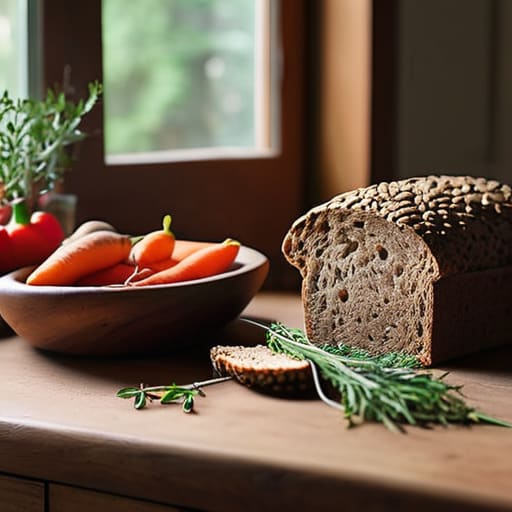
As we’ve explored, eating well doesn’t have to be a luxury reserved for those with endless resources. By mastering the art of intentional grocery shopping and leaning into the incredible value of affordable whole foods, you’re doing more than just saving money. You are actively choosing to decouple your nutrition from the high-waste, high-cost cycles of modern consumerism. Whether it’s opting for seasonal produce or planning meals around pantry staples, these choices represent a mindful shift toward a lifestyle that honors both your physical health and your financial boundaries. It’s about being resourceful rather than restrictive, proving that a budget-friendly kitchen can still be a vibrant, nourishing sanctuary.
At the end of the day, I want you to remember that sustainability isn’t about achieving perfection overnight; it’s about the beauty of the incremental. Just like the sea glass I find on the Maine coast—transformed by time and the rhythm of the tides—our small, daily decisions coalesce into something much more beautiful and resilient. Don’t let the scale of global environmental challenges overwhelm you. Instead, find joy in the process of intentional living. Every time you choose a whole food over a processed one, or a bulk bin over a plastic-wrapped convenience, you are casting a vote for the kind of world you want to inhabit. Keep going, one delicious, mindful meal at a time.
Frequently Asked Questions
How can I balance my desire for organic produce with a strict grocery budget?
It’s a common tug-of-war, isn’t it? I used to feel that same tension between my values and my bank account. My best advice? Prioritize the “Dirty Dozen.” Focus your organic budget on produce with the highest pesticide loads—like strawberries or spinach—and save money by buying conventional versions of the “Clean Fifteen,” like avocados or onions. Think of it as a strategic, intentional way to honor your health and the earth without overextending yourself.
What are some clever ways to use up food scraps so I’m not wasting money or resources?
Turning scraps into treasures is where real kitchen magic happens. I love making “veggie stock” by freezing ends of carrots, onions, and celery in a bag, then simmering them when ready. Those wilted greens? Sauté them with a little garlic. Even citrus peels can become fragrant zest or cleaning agents. It’s about seeing potential where others see waste—transforming what’s left into something nourishing, resourceful, and beautifully intentional.
Are there specific seasonal eating hacks that make it easier to stay eco-conscious without overspending?
Eating with the seasons isn’t just a culinary trend; it’s one of the simplest ways to align your kitchen with the Earth’s natural rhythm. When you buy what’s currently in season, you’re supporting local harvests that haven’t traveled thousands of miles, which keeps costs down and freshness up. I love leaning into “shoulder season” preserves or freezing summer berries for winter smoothies. It’s about being resourceful and celebrating what nature is offering right now.
