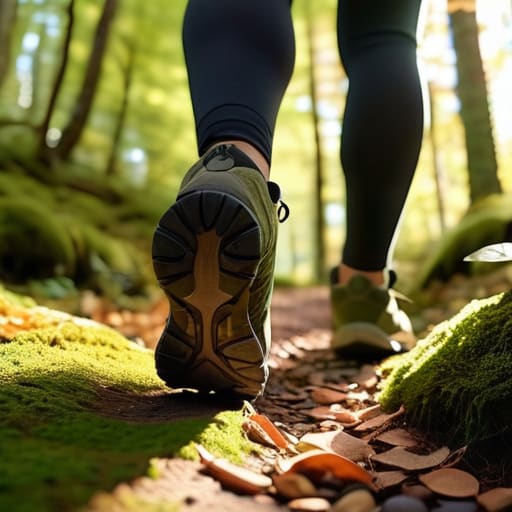
Why a Daily Walk Might Be the Best Thing for Your Health
I remember sitting on the edge of a weathered pier back in Maine, watching the tide pull fragments of frosted sea glass deeper into the sand. I was feeling completely burnt out, overwhelmed by the digital noise of my early career, and convinced that “wellness” required an expensive gym membership or high-tech wearable gear to be valid. But as I stood up and just started moving along the shoreline, I realized that the true benefits of walking aren’t found in a data point on a screen; they are found in the rhythmic crunch of sand underfoot and the way the salt air clears a cluttered mind.
I’m not here to sell you on a complicated fitness regime or some overpriced lifestyle hack. Instead, I want to share what I’ve learned from years of blending environmental advocacy with a much-needed slow living philosophy. We’re going to strip away the hype and look at how intentional movement can serve as a radical act of both personal and planetary care. My promise to you is simple: no fluff, just honest, experience-based insights on how stepping outside can transform your mental clarity and your connection to the world around you.
Table of Contents
- Nurturing Your Soul Through the Mental Health Benefits of Walking
- Embracing Low Impact Cardiovascular Exercise for Lasting Vitality
- Small Strides, Big Impact: My Favorite Ways to Make Every Step Count
- Small Steps, Big Impact: Bringing It All Together
- The Rhythm of a Greener Life
- Walking Toward a Greener, Healthier You
- Frequently Asked Questions
Nurturing Your Soul Through the Mental Health Benefits of Walking
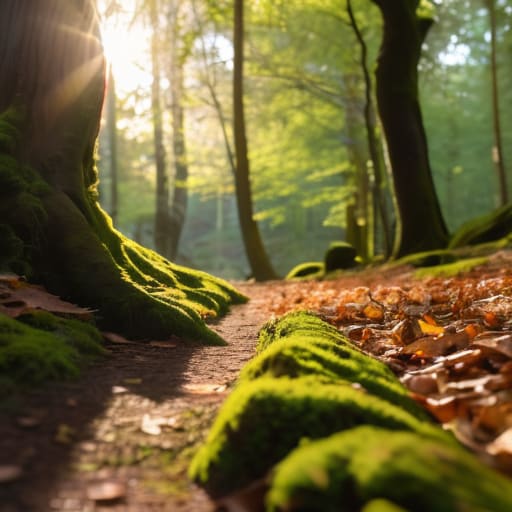
Beyond the physical strides, there is a profound, quiet magic that happens within our minds when we step away from the digital hum and into the fresh air. For me, some of my most transformative moments haven’t happened behind a screen, but during those slow, rhythmic strolls where the only notification is the rustle of leaves. We often overlook the mental health benefits of walking, yet it serves as a natural reset button for a cluttered mind. It’s a way to decompress, allowing our thoughts to settle just like the silt in a coastal tide pool.
When we move, we aren’t just burning calories; we are cultivating emotional resilience. Whether you are hitting your daily step count goals or simply wandering without a destination, that movement acts as a moving meditation. It’s a gentle way to process the day’s stresses without the intensity of a high-pressure workout. In a world that constantly demands our immediate attention, choosing to walk is a radical act of reclaiming your peace, one mindful breath at a time.
Embracing Low Impact Cardiovascular Exercise for Lasting Vitality
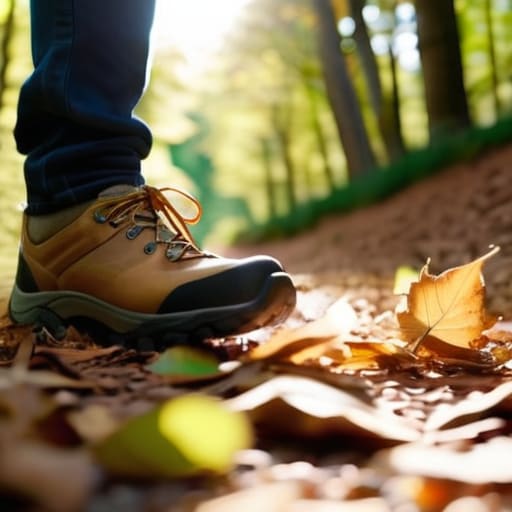
When we think about fitness, our minds often jump to high-intensity workouts that leave us breathless and bruised. But there is a quiet, profound strength found in the steady rhythm of a stroll. Incorporating walking into your routine is one of the most effective forms of low impact cardiovascular exercise, allowing you to strengthen your heart without the punishing strain on your joints that often comes with running. It’s about finding that sweet spot where movement feels like a gift to your body rather than a chore.
I’ve found that it’s not about sprinting toward a finish line; it’s about the consistency of the journey. Whether you are aiming for specific daily step count goals or simply exploring a new neighborhood, these intentional movements build a foundation of long-term vitality. Beyond the physical stamina, you’ll find that the aerobic benefits of brisk walking act as a natural tune-up for your entire system. It’s a gentle, sustainable way to invest in your future self, ensuring you have the energy to keep exploring the natural wonders we all love so much.
Small Strides, Big Impact: My Favorite Ways to Make Every Step Count
- Curate Your Soundtrack or Embrace the Silence: Whether you’re diving into a thought-provoking podcast or simply listening to the rhythm of your own breath and the rustle of leaves, use your walk as a dedicated space to disconnect from digital noise and reconnect with your inner self.
- Turn Your Commute into a Micro-Adventure: Instead of seeing a walk to the local coffee shop or the train station as a chore, view it as a chance to scout for new details in your neighborhood—it’s the perfect time to spot a new wildflower or find a unique piece of sea glass on a coastal path.
- Invite a Fellow Eco-Conscious Soul: Walking is a beautiful way to foster community; grab a friend for a “stroll and talk” session to share ideas on sustainable living, which turns a simple exercise session into a meaningful social connection.
- Practice Mindful Observation: To truly reap the mental rewards, try to notice five things you’ve never seen before on your usual route. This simple act of presence transforms a routine walk into a grounding, meditative experience that anchors you to the present moment.
- Layer Up for Seasonless Exploration: Don’t let the changing weather dictate your rhythm; invest in high-quality, sustainable layers so you can enjoy the crisp Maine mornings or the gentle spring rains, ensuring your connection to the outdoors remains a consistent, year-round ritual.
Small Steps, Big Impact: Bringing It All Together
Remember that walking isn’t just a form of movement; it’s a rhythmic, low-impact way to honor your body’s vitality while reducing your daily carbon footprint.
Use your walks as a sacred space for mental clarity, allowing the simple act of putting one foot in front of the other to ground you and quiet the digital noise.
View every intentional stride as a micro-victory for the planet, proving that sustainable living is most powerful when it’s woven seamlessly into the fabric of our everyday lives.
The Rhythm of a Greener Life
“Walking isn’t just about the miles we cover; it’s about the intentional pause we give ourselves to witness the world breathing, reminding us that the most sustainable way to move forward is often at the pace of nature itself.”
Jordan Mitchell
Walking Toward a Greener, Healthier You

As we’ve explored, choosing to walk is so much more than just a way to get from point A to point B. It is a multifaceted tool for transformation, offering a gentle way to nurture your mental clarity while simultaneously building a foundation of cardiovascular strength that lasts a lifetime. By opting for a stroll instead of a car ride, you aren’t just improving your own physical vitality; you are making a quiet, powerful statement in favor of a lower-carbon lifestyle. Every step is a chance to reclaim your health and reduce your environmental footprint, proving that the most effective changes often come from the simplest rhythms of our daily lives.
I often think back to those long, meditative walks along the Maine coastline, where the rhythm of my feet on the sand felt like a conversation with the earth itself. I want to encourage you to find that same connection in your own neighborhood, whether it’s a leafy park or a bustling city street. Don’t feel pressured to run marathons or overhaul your entire life overnight. Just lace up your shoes, step outside, and embrace the intentionality of the journey. Remember, every single stride is a small, beautiful victory for both your body and our shared planet. Let’s keep moving forward, one mindful step at a time.
Frequently Asked Questions
How can I make my daily walks more eco-friendly or integrated into a low-waste lifestyle?
To make your walks truly eco-friendly, think about what you carry with you. Swap single-use plastic bottles for a durable, reusable flask, and if you’re heading out for a longer trek, pack snacks in beeswax wraps rather than disposables. I also love practicing “mindful foraging”—not for consumption, but for inspiration. Keep an eye out for interesting textures or fallen sea glass; it turns a simple stroll into a way to reconnect deeply with our local ecosystems.
Are there specific types of terrain or natural settings that enhance the mental health benefits of walking?
Absolutely. While any movement is a win, there’s a certain magic that happens when you trade pavement for something more organic. I always find that “forest bathing” or walking along a rugged coastline—much like back home in Maine—really amplifies that mental reset. The uneven terrain of a trail keeps you present, and the soft textures of moss or sand ground you. Connecting with these living landscapes turns a simple stroll into a true sensory reconnection.
How do I balance the desire to slow down and enjoy nature with the need to reach a certain fitness level through walking?
Think of it not as a tug-of-war, but as a beautiful rhythm. You don’t have to choose between a grueling power walk and a slow stroll through the pines. Try “interval mindfulness”: push your pace for ten minutes to build that cardiovascular strength, then intentionally slow down to notice the way the light hits the leaves. By blending intensity with presence, you’re training both your heart and your soul.
