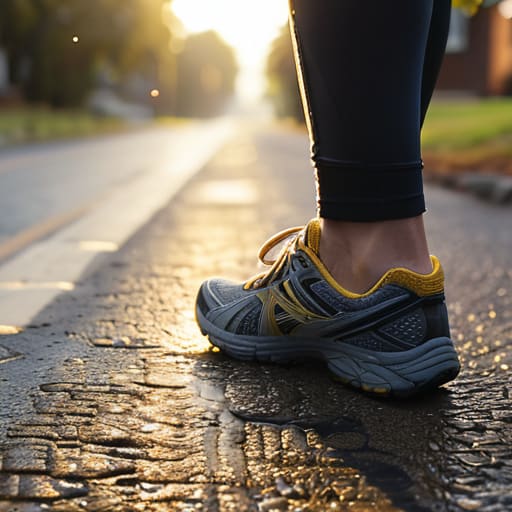
How to Start Running When You Hate Running
I remember standing on a damp trail back in Maine, lungs burning and heart hammering against my ribs like a trapped bird, feeling utterly convinced that I was doing everything wrong. I had spent a small fortune on high-tech compression gear and “smart” shoes, thinking that if I didn’t look like an Olympic sprinter, I wasn’t actually a runner. But here’s the truth that the fitness industry loves to hide: the most intimidating part of learning how to start running isn’t your fitness level, it’s the unnecessary noise of overcomplicated gear and rigid, punishing schedules.
I’m not here to sell you on a grueling marathon training plan or a wardrobe of neon spandex. Instead, I want to offer you a way to lace up that feels as natural and intentional as a morning walk through the dunes. I promise to share a practical, low-impact approach that honors your body’s rhythm and focuses on the joy of movement rather than the metrics of a smartwatch. We’re going to strip away the hype and focus on how you can build a sustainable, mindful practice that actually sticks, one gentle stride at a time.
Table of Contents
Curating Mindful Running Gear for Beginners
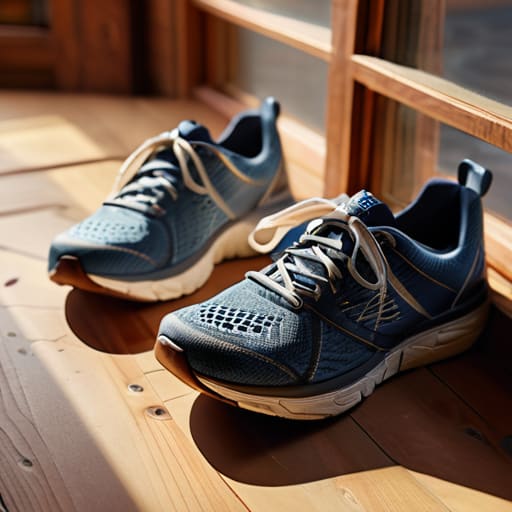
When it comes to gathering your running gear for beginners, I always encourage a “less is more” philosophy. Just like my approach to DIY projects, it’s about quality and intention rather than mindless consumption. You don’t need a closet full of high-tech synthetics to begin; instead, focus on a single pair of high-quality, sustainably sourced shoes that actually support your unique gait. Investing in the right footwear is your first line of defense in preventing running injuries, ensuring your journey stays joyful rather than painful.
Beyond the shoes, think about fabrics that respect both your skin and the planet. Look for natural fibers or recycled materials that breathe well as you find your stride. I’ve found that even a simple, moisture-wicking shirt made from recycled ocean plastics can make a world of difference in how you feel. As you curate your kit, remember that every piece should serve a purpose. We aren’t just collecting gadgets; we are building a toolkit for a more mindful, active lifestyle that honors both our bodies and the earth we run upon.
Building Your Aerobic Base Building Foundation

Once you’ve gathered your gear, the next step isn’t about speed; it’s about patience. Think of aerobic base building much like tending to a new garden. You wouldn’t expect a sapling to withstand a storm overnight, so don’t expect your lungs and legs to sprint through a marathon on day one. This phase is all about those slow, steady, conversational miles that teach your heart and muscles how to work efficiently together. By keeping your pace gentle, you’re actually laying down the deep roots necessary for long-term endurance.
This gradual approach is also your best defense when it comes to preventing running injuries. When we get too ambitious too quickly, our bodies often pay the price in aches and pains. Instead of chasing a personal best every single morning, try to follow a structured running training schedule that prioritizes recovery just as much as the movement itself. Listen to your body’s subtle whispers before they turn into shouts. If you focus on building that foundational strength slowly, you’ll find that your journey becomes less of a struggle and more of a sustainable, rhythmic dance with nature.
Finding Your Flow: 5 Ways to Make Running a Sustainable Habit
- Listen to your body’s natural rhythm rather than a stopwatch; just like tending to a new garden, you can’t rush the growth process without risking burnout.
- Treat every run as a chance to reconnect with your local ecosystem, turning a simple jog into a mindful observation of the changing seasons and urban greenery.
- Prioritize recovery as much as the run itself, because true progress happens in those quiet moments of rest when your body is busy rebuilding itself stronger.
- Embrace the “slow and steady” philosophy by incorporating walk-run intervals, which helps build your endurance without overwhelming your joints or your spirit.
- Curate a soulful soundtrack or a captivating podcast to keep your momentum high, ensuring your mental landscape is just as nourished as your physical one.
Small Steps, Lasting Impact: Your Path Forward
Treat your running journey like a slow-growing coastal garden; prioritize consistency and patience over speed to build a foundation that honors both your body and your long-term goals.
Embrace the “less is more” philosophy by investing in high-quality, durable gear that serves you well, reducing waste while ensuring your feet are supported on every path you take.
Listen to the rhythm of your breath and the environment around you, transforming each run from a mere workout into a mindful ritual that reconnects you with the natural world.
Finding Your Natural Pace
“Don’t view your first run as a race against a clock, but rather as a conversation with your surroundings; start slow, listen to the rhythm of your breath, and let each step be a small, intentional commitment to your own well-being and the world you move through.”
Jordan Mitchell
Finding Your Pace and Purpose
As we wrap up this initial chapter of your journey, remember that starting to run isn’t about hitting a specific milestone or chasing a professional marathoner’s tempo. It’s about the intentionality you bring to the process—from selecting gear that respects both your body and the planet to the patient, steady work of building that vital aerobic foundation. By prioritizing quality over speed and listening to your body’s natural rhythms, you aren’t just training your muscles; you are cultivating a sustainable lifestyle that honors your long-term well-being. It’s the small, consistent steps, much like the slow accumulation of sea glass on a shoreline, that eventually create something truly beautiful and enduring.
I want you to step out your door today with the understanding that your run is a form of connection—to yourself, to your surroundings, and to the world we are all working so hard to protect. Don’t let the pressure of perfection stall your progress; instead, embrace the beautiful imperfection of a slow jog or a mindful walk-run interval. Every breath you take in the fresh air is a victory, a small but significant way to nourish your spirit and your health. So, lace up those shoes, head outside, and let your journey unfold at its own natural pace. I can’t wait to see where these new paths lead you.
Frequently Asked Questions
How can I keep my running routine sustainable without burning out or feeling overwhelmed by the physical demands?
Think of your running routine like a delicate coastal ecosystem; it thrives on balance, not constant intensity. To avoid burnout, listen to your body’s natural rhythms just as I do with my bees. Incorporate active recovery days and don’t be afraid to swap a run for a mindful walk. Remember, consistency is a marathon, not a sprint. By honoring your limits today, you’re ensuring you can keep moving beautifully for years to come.
What are some eco-friendly ways to choose running apparel that won't end up in a landfill after just a few months?
When picking gear, think long-term rather than following fast-fashion trends. Look for high-quality, recycled synthetics or Tencel—fabrics that actually breathe and last. I always check the labels for certifications like Bluesign or GOTS to ensure ethical production. Most importantly, buy less but buy better. A single, well-made pair of leggings that survives dozens of washes is far more sustainable than three cheap pairs that lose their shape by next season. Quality is the ultimate eco-hack.
How do I balance my new running habit with my existing lifestyle to ensure it feels like a mindful addition rather than a chore?
Think of running not as another item on your to-do list, but as a way to reconnect with your surroundings. Instead of forcing it into a rigid schedule, let it flow with your natural rhythms. Maybe it’s a sunset jog to decompress or a crisp morning loop to clear your head. By treating your runs as a mindful ritual rather than a chore, you integrate movement into your life with intention and grace.
