Simple Mindfulness Exercises for Busy People
I remember standing in my backyard last summer, surrounded by the frantic hum of my beehives, feeling completely disconnected from the very nature I was trying to protect. My mind was a chaotic storm of digital deadlines and marketing metrics, making it impossible to actually be present in the moment. I realized then that most people approach mindfulness exercises as if they’re just another chore on a never-ending to-do list—something you need a $100 yoga mat and a silent mountain retreat to achieve. But let’s be real: when you’re juggling a career and trying to live sustainably, you don’t have time for performative zen.
I’m not here to sell you on some expensive, aestheticized version of peace that feels out of reach. Instead, I want to share how I’ve integrated practical, low-impact mindfulness exercises into the messy, beautiful reality of everyday life. We’re going to skip the fluff and focus on intentional, grounded rituals that actually work, whether you’re sipping your morning coffee or walking along the coast. My promise to you is simple: no hype, just real-world strategies to help you reconnect with yourself and the planet, one breath at a time.
Table of Contents
Mastering Meditation Techniques for Beginners and Beginners
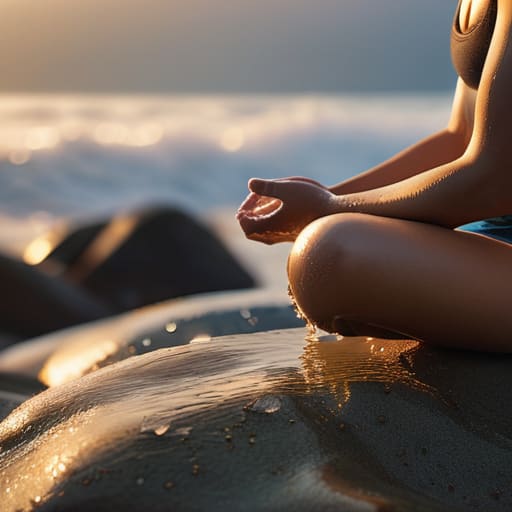
When I first started exploring meditation techniques for beginners, I used to think I had to sit perfectly still in a silent room for an hour to “do it right.” Honestly? That felt more like a chore than a way to find peace. I quickly learned that meditation isn’t about silencing your mind; it’s about observing the waves of thought without letting them pull you under. For me, it’s like watching the tide roll in and out—you acknowledge the movement, but you don’t feel the need to fight it.
If you’re feeling a bit overwhelmed, I highly recommend starting with simple mindful breathing exercises. Find a quiet corner, maybe even near a window where you can see a bit of greenery, and just focus on the sensation of air entering and leaving your lungs. This isn’t just about relaxation; it’s a powerful way to practice stress reduction through mindfulness. By anchoring yourself to your breath, you create a small, steady sanctuary in the middle of a chaotic day, proving that even the smallest shift in focus can cultivate a profound sense of inner calm.
The Gentle Art of Mindful Breathing Exercises

If meditation feels a bit too stationary for you, I like to think of mindful breathing exercises as the rhythmic ebb and flow of the Atlantic. You don’t need to sit perfectly still in a silent room to find center; you just need to return to the simplest tool we all possess: the breath. When the digital noise of our modern lives starts feeling a bit too loud, focusing on the sensation of air entering and leaving your lungs acts as a natural anchor. It’s a way of pulling yourself out of the frantic “what-ifs” of the future and back into the tangible beauty of the present moment.
I often find that incorporating this into a daily mindfulness routine is much more effective than waiting for a crisis to strike. Even just three minutes of intentional breathing while your morning coffee brews can shift your entire internal frequency. Instead of rushing through your tasks, try to notice the subtle expansion of your chest and the coolness of the inhale. This simple act of conscious awareness serves as a powerful form of stress reduction, helping you navigate the day with a sense of steady, quiet purpose.
Bringing the Rhythm of Nature into Your Daily Flow
- Practice “Sensory Anchoring” while you walk. Instead of scrolling through your phone, try to notice five distinct textures around you—the rough bark of a tree, the cool smoothness of a river stone, or even the grit of sand under your boots. It’s a quick way to pull yourself out of your head and back into the physical world.
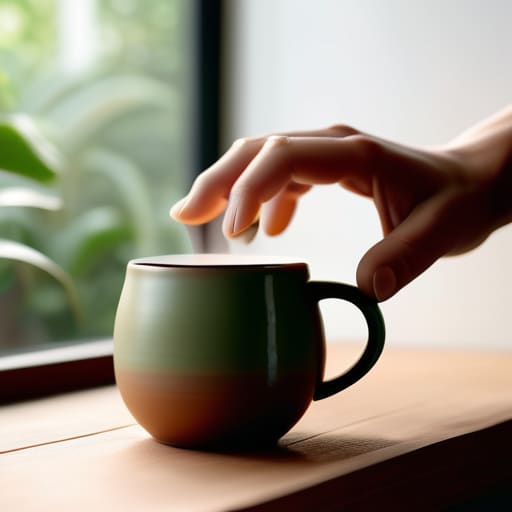
- Turn your morning coffee or tea into a ritual rather than a caffeine rush. Feel the warmth of the mug against your palms and notice the steam rising in delicate curls. By giving this small moment your full attention, you’re setting an intentional, grounded tone for the rest of your day.
- Try “Micro-Mindfulness” during those awkward in-between moments. When you’re waiting for the kettle to boil or standing in line at the market, resist the urge to reach for your digital distractions. Instead, use that minute to simply observe your breath or the way the light hits the floor. It’s a tiny way to reclaim your time from the digital noise.
- Connect with the earth through mindful gardening or even just tending to a single windowsill plant. Digging your hands into some soil or watching a new leaf unfurl provides a profound sense of presence that no app can replicate. It reminds us that we are part of a much larger, living cycle.
- Practice “Digital Sunset” rituals to wind down your nervous system. Just as the tide recedes to let the shoreline rest, give your mind permission to disconnect from the glow of screens at least thirty minutes before bed. Use this time for light stretching or journaling, allowing your thoughts to settle like silt in a calm bay.
Carrying the Calm into Your Daily Rhythm
Remember that mindfulness isn’t about achieving a state of perfect stillness, but rather about gently returning your focus to the present moment whenever your mind starts to drift like a stray current.
Treat your breath as a natural anchor; just as the tides predictably return to the shore, your breath is a constant, reliable tool you can use to ground yourself anywhere, from a busy subway to a quiet park.
Small, intentional pauses are more impactful than sporadic marathons of meditation—think of them as tiny, eco-conscious ripples that eventually build into a powerful wave of mental clarity and environmental connection.
Finding Stillness in the Rush
“Mindfulness isn’t about forcing the world to be quiet; it’s about finding that steady, rhythmic calm within yourself, much like the way the tide always finds its way back to the shore, no matter how much the wind tries to scatter it.”
Jordan Mitchell
Cultivating Your Inner Ecosystem
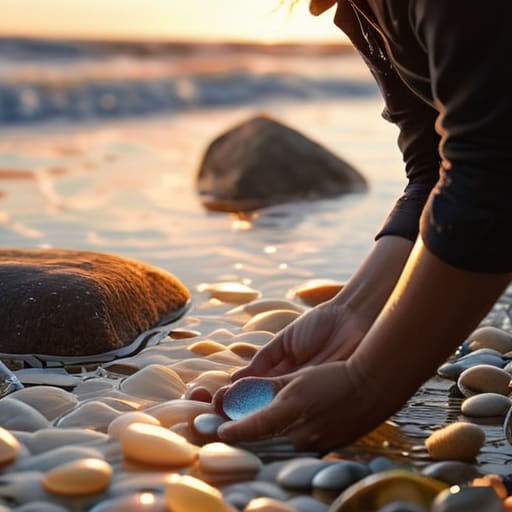
As we wrap up our journey through these mindful practices, I hope you see that mindfulness isn’t some lofty, unreachable mountain peak. Whether you’ve been experimenting with the structured stillness of meditation, finding your center through intentional breathing, or simply learning to observe your thoughts like passing clouds, you are already doing the work. It’s about integrating these small, rhythmic pauses into the chaotic flow of modern life. Just as I carefully sort through tide pools for the perfect piece of sea glass, these exercises allow you to sift through the noise and find the quiet, essential truths that reside within you. Remember, the goal isn’t perfection; it’s about consistent, gentle presence.
Ultimately, I want you to remember that mindfulness is a way of honoring both yourself and the world around you. When we learn to breathe deeply and exist fully in the present moment, we become more attuned to the natural rhythms of our environment. We start to move through the world with more intention, making choices that are as kind to our souls as they are to the planet. So, take these tools and let them grow within you like a well-tended garden. Believe in the power of your own small, daily rituals, because when we find our inner calm, we become better equipped to nurture the beautiful, fragile world we all share.
Frequently Asked Questions
I struggle to sit still for long periods; are there ways to practice mindfulness while being active or outdoors?
I completely hear you—sitting perfectly still can feel almost unnatural sometimes. Honestly, some of my most profound moments of clarity don’t happen on a meditation cushion, but while I’m out on a coastal trail or tending to my beehives. Try “mindful walking”: instead of rushing, focus on the sensation of your feet hitting the earth or the rhythmic sound of the wind. Movement can actually be a beautiful, flowing form of meditation.
How can I tell if my meditation is actually "working" or if I'm just getting better at daydreaming?
It’s a question I get all the time, and honestly, I used to wonder the same thing while sitting in my garden. Here’s the truth: if you’re noticing your mind wander, you aren’t failing—you’re actually succeeding. That moment of realization, where you catch yourself daydreaming and gently steer your focus back, is the “muscle flex” of mindfulness. It’s not about a silent mind; it’s about the awareness of the drift.
Can mindfulness exercises actually help reduce my environmental anxiety, or is it just about personal stress relief?
It’s a profound question, and honestly, one I grapple with myself. While mindfulness certainly eases personal stress, its true power lies in shifting our perspective. By grounding ourselves, we move from a state of paralyzed anxiety to one of intentional presence. It transforms that overwhelming “eco-dread” into a focused, calm energy, allowing us to channel our emotions into meaningful, sustainable actions rather than being swept away by the storm.
