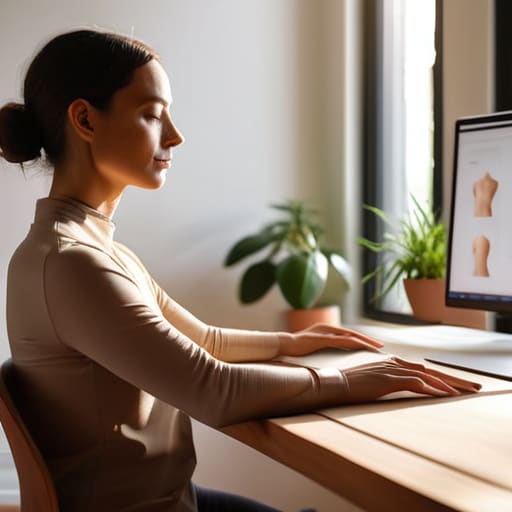
How to Improve Your Posture (even at a Desk)
I remember sitting hunched over my laptop in a cramped corner of a Portland cafe, the scent of roasted beans heavy in the air, feeling that familiar, nagging ache bloom between my shoulder blades. I was so focused on perfecting a digital campaign that I completely lost track of my own physical alignment. It’s funny how we spend so much time optimizing our digital workflows, yet we completely neglect the very foundation that supports us. Most people think that learning how to improve your posture requires expensive ergonomic chairs or those complicated, high-tech wearable sensors that buzz every time you slouch. Honestly? That’s just expensive noise that ignores the root of the problem.
I’m not here to sell you a lifestyle overhaul or a piece of overpriced furniture. Instead, I want to share a more sustainable approach—one rooted in the same small, intentional shifts I use when tending to my beehives or rearranging my sea glass collections. I’m going to walk you through some practical, low-impact habits that integrate seamlessly into your existing routine. We’re going to focus on mindful movement and simple adjustments that respect your body’s natural rhythm, helping you build a foundation of strength that feels truly effortless.
Table of Contents
- Recognizing the Signs of Poor Posture in Daily Life
- Spinal Alignment Techniques for a More Centered Self
- Cultivating Your Natural Alignment: Five Daily Rituals for a More Balanced Stance
- Cultivating a Sustainable Stance: Your Path Forward
- The Architecture of Presence
- Finding Your Natural Equilibrium
- Frequently Asked Questions
Recognizing the Signs of Poor Posture in Daily Life

It often starts subtly, like the slow erosion of a coastline you once thought was permanent. You might not notice it at first, but pay attention to those quiet signals your body sends throughout the day. Are you finding yourself leaning heavily into your laptop, or perhaps feeling a persistent, dull ache at the base of your neck after a long afternoon? These are classic signs of poor posture that suggest your body is struggling to find its natural equilibrium.
I’ve noticed this most during my own deep-work sessions. You might catch yourself slumping toward the screen, a habit that often leads to the dreaded “tech neck.” Another telltale sign is the sensation of tightness across your chest, often a byproduct of correcting rounded shoulders that have spent too many hours pulled inward. It’s as if our digital lives are physically pulling us out of alignment. Recognizing these small, physical cues is the first step toward reclaiming your natural grace and ensuring your body remains as resilient as the ecosystems I strive to protect.
Spinal Alignment Techniques for a More Centered Self
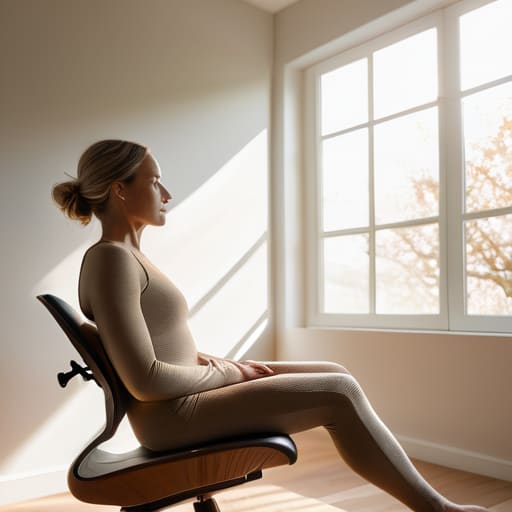
Think of your spine as the central trunk of a tree; if the foundation is slightly askew, every branch feels the strain. To find that sense of equilibrium, I’ve found that strengthening core muscles for alignment is far more effective than simply trying to “sit up straight” through sheer willpower. When our midsection is stable, our spine naturally finds its home. I often find myself practicing a few subtle movements between client calls—small, intentional shifts that remind my body where its center actually lies.
If you spend most of your day navigating a digital landscape, you might find that correcting rounded shoulders becomes a primary focus. It’s so easy to curl inward toward our screens, much like a shell protecting itself, but this can lead to a persistent sense of tension. Instead of fighting against your body, try integrating gentle stretches that open up your chest and pull your shoulder blades back toward your spine. It isn’t about achieving rigid perfection; it’s about cultivating a fluid, effortless grace that allows you to move through your day with more ease and less resistance.
Cultivating Your Natural Alignment: Five Daily Rituals for a More Balanced Stance
- Curate Your Digital Workspace: Just as I reorganize my bee hives to ensure optimal airflow, we need to audit our digital environments. Elevate your monitor to eye level so you aren’t perpetually hunched over a screen, creating a workspace that supports your spine rather than straining it.
- The Micro-Movement Reset: Think of these as small ripples in a tide pool. Every thirty minutes, set a gentle reminder to stand, stretch, or simply roll your shoulders back. These tiny, intentional breaks prevent the physical stagnation that leads to long-term misalignment.
- Grounding Through Footwork: I often find that when I’m walking along the Maine coast, my posture improves simply by being mindful of my connection to the earth. Try to practice “active standing”—distributing your weight evenly across both feet and engaging your core, rather than leaning heavily on one hip.
- Strength as a Foundation: Building a resilient body is much like building a sustainable ecosystem; it requires a strong foundation. Incorporating low-impact strength training, specifically focusing on your posterior chain (the muscles along your back and glutes), provides the structural support your spine needs to hold itself upright effortlessly.
- Mindful Breath Integration: When we are stressed, we tend to shallowly breathe into our chests, which pulls our shoulders forward. By practicing deep, diaphragmatic breathing, you naturally expand your ribcage and encourage a more open, upright posture that feels both calm and centered.
Cultivating a Sustainable Stance: Your Path Forward
Think of your posture not as a rigid rule to follow, but as a rhythmic, daily practice of returning to your center, much like the steady ebb and flow of the Maine tides.
Small, intentional shifts—like a mindful adjustment while working at your desk or a conscious breath to lengthen your spine—are the “small wins” that prevent long-term physical depletion.
True alignment is an ecosystem; by listening to the subtle cues your body sends, you create a more resilient foundation that supports both your physical health and your mental clarity.
The Architecture of Presence
“Improving your posture isn’t just about correcting a curve in your spine; it’s about reclaiming the space you inhabit. Much like restoring a coastal ecosystem, it requires us to move with intention, realigning our physical presence so we can carry our values—and ourselves—with a little more grace and a lot more strength.”
Jordan Mitchell
Finding Your Natural Equilibrium

As we wrap up this journey toward a more centered self, remember that improving your posture isn’t about achieving a rigid, artificial perfection. It’s about the subtle, intentional shifts we discussed—learning to recognize those physical cues of tension, applying mindful spinal alignment techniques, and integrating small corrections into the rhythm of your day. Much like the way a coastal forest finds its strength by swaying with the wind rather than resisting it, your body thrives when you prioritize functional movement over static stiffness. By staying mindful of how you sit, stand, and move, you are essentially cultivating a more sustainable relationship with your own physical vessel.
Ultimately, I want you to view these adjustments not as chores, but as a form of self-respect. Just as I carefully sort through fragments of sea glass to find the pieces that truly resonate, I encourage you to find the specific habits that feel most authentic to your lifestyle. Change doesn’t happen in a single, dramatic leap; it happens in the quiet, consistent moments where you choose to sit a little taller or breathe a little deeper. Trust the process, be patient with your progress, and remember that every small adjustment is a victory for your long-term well-being. You are building a foundation for a life lived with grace and balance.
Frequently Asked Questions
How can I maintain better posture while working at a desk without feeling like I'm constantly straining my muscles?
Think of your desk setup like a delicate ecosystem; it needs balance to thrive. Instead of forcing rigid, unnatural positions that lead to tension, aim for “dynamic alignment.” Incorporate micro-movements—stand up every thirty minutes or use a lumbar support that mimics the natural curve of your spine. It’s about creating a flow rather than a fixed state. Much like my bees, staying adaptable is the secret to long-term resilience and ease.
Are there specific stretches I can do throughout the day that won't disrupt my workflow but will still help my alignment?
Think of these stretches like tending to a garden—they don’t require a total overhaul, just small, rhythmic moments of care. Try the “Seated Cat-Cow” to loosen your spine without leaving your desk, or a simple “Doorway Chest Stretch” during a coffee break to undo that tech-neck slouch. Even a quick neck tilt can reset your center. These tiny, intentional movements integrate seamlessly into your flow, keeping your alignment as steady as the tide.
How much of my posture is actually influenced by my daily habits, like how I hold my phone or sit in my car?
Honestly, it’s almost everything. Just like how the tides shape the coastline over years, our repetitive micro-movements shape our physical foundation. That “tech neck” from scrolling or the way we slouch during a long commute isn’t just a momentary slump; it’s a pattern being etched into our bodies. We often overlook these small, habitual shifts, but they are the very architects of our alignment. It’s about being mindful of those quiet, everyday rhythms.
