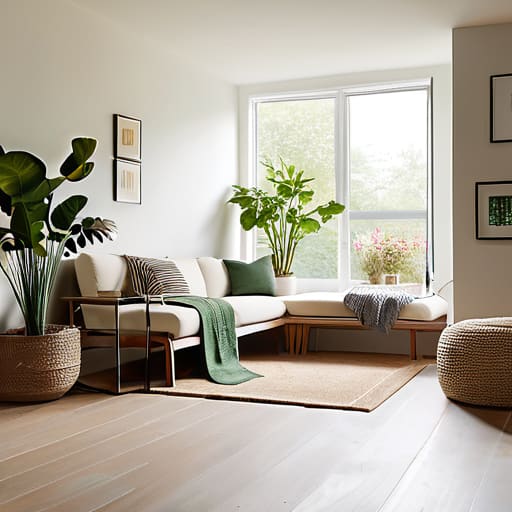
Living Room Layout Ideas for Small and Awkward Spaces
Ever walk into a showroom and feel like you’re being sold a dream that’s physically impossible to live in? I see it all the time: these perfectly staged, sterile spaces that look beautiful in a magazine but feel completely soulless in reality. Most people think they need to drop thousands on high-end furniture just to find the right living room layout ideas, when the truth is that most of those “designer” setups actually stifle the natural flow of a home. You don’t need a massive budget or a showroom-perfect floor plan to create a space that breathes; you just need to stop following the rigid, consumerist rules that prioritize aesthetics over actual human connection.
I’m not here to give you a list of expensive trends to chase. Instead, I want to share how you can curate a space that feels both intentional and incredibly resourceful. We’re going to dive into practical, low-impact ways to rearrange what you already own to foster a sense of calm and purpose. From maximizing natural light to creating conversational zones that honor your home’s unique energy, I’ll provide you with honest, experience-based guidance to help you transform your living area into a true sustainable sanctuary.
Table of Contents
Mastering Small Living Room Space Saving Layouts
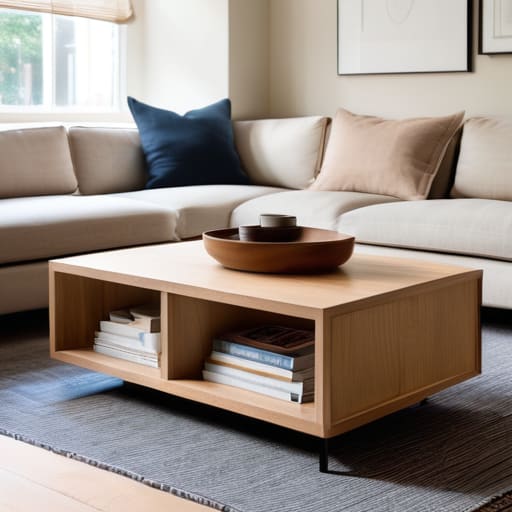
When you’re working with a tighter footprint, the goal isn’t just to fit everything in; it’s about creating a sense of breathability. I’ve found that the secret to small living room space saving layouts lies in the art of subtraction. Instead of crowding the perimeter with heavy, oversized pieces, try utilizing multi-functional furniture that serves more than one purpose. For instance, a slim, wooden coffee table with built-in storage can act as a hub for your favorite eco-friendly coffee table books while keeping clutter at bay.
To prevent the room from feeling claustrophobic, pay close attention to optimal traffic flow in living rooms. You want to create clear, intuitive pathways that guide you through the space without having to sidestep a chair or shimmy past an ottoman. I often recommend using lighter-colored textiles and strategically placed mirrors to bounce natural light around, which visually expands the boundaries of the room. By prioritizing movement and intentionality, you transform a cramped corner into a curated sanctuary that feels expansive and deeply restorative.
Strategic Focal Point Furniture Placement for Harmony
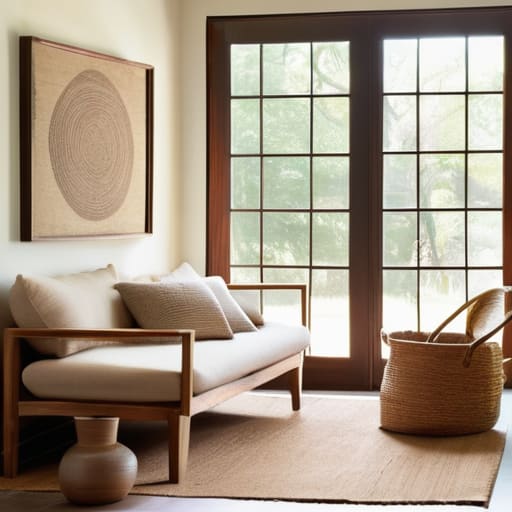
When we talk about creating a sense of peace in a home, we’re really talking about intention. Instead of just shoving a sofa against a wall because it’s easy, I like to think about what your room is actually calling you to do. Is it a place for deep reading, or a hub for connection? By focusing on focal point furniture placement, you can anchor the entire room around what matters most—be it a sun-drenched window, a reclaimed wood bookshelf, or even a beautiful piece of sea glass art. When your furniture aligns with a central purpose, the room stops feeling like a collection of objects and starts feeling like a sanctuary.
This sense of purpose is especially vital when you’re navigating an open concept living room arrangement. Without walls to guide the eye, it’s easy for the energy to feel scattered. To prevent this, I recommend using your furniture to define “zones.” For instance, orienting your seating toward a central coffee table creates a dedicated living room conversation area design that feels distinct from the dining or kitchen zones. This subtle boundary-setting ensures that even in a large, airy space, every corner feels cozy, purposeful, and deeply connected to the flow of your life.
Cultivating Flow: Five Intentional Ways to Arrange Your Sanctuary
- Prioritize Natural Light Paths: Instead of crowding your windows with bulky furniture, try arranging your seating to frame the view rather than block it. Letting that soft, morning light dance across the room doesn’t just brighten the space; it connects your indoor sanctuary to the rhythm of the world outside.
- Embrace the “Conversation Circle”: Rather than lining everything up against the walls—which can feel a bit stagnant—pull your chairs and sofa into a more intimate grouping. Creating a circular flow encourages genuine connection and makes the room feel like a living, breathing space for community.
- Integrate Living Elements into the Layout: Don’t just treat your plants as afterthoughts. Use large, leafy greens like a Monstera or a Fiddle Leaf Fig to act as soft, organic room dividers. This adds a layer of “eco-chic” texture that defines different zones without the harshness of a physical wall.
- Mindful Circulation Routes: A room should feel effortless to move through, not like an obstacle course. Ensure there’s a clear, winding path through your furniture so you aren’t constantly sidestepping coffee tables. A smooth flow honors the energy of the room and keeps your daily movements feeling calm and intentional.
- Layered Textures for Depth: To avoid a layout that feels flat or sterile, mix your materials. Pair a sleek, modern sofa with a reclaimed wood side table or a hand-woven jute rug. This layering of textures mimics the beautiful complexity of the coastal landscapes I grew up with, making the room feel grounded and soulful.
Designing for Connection and Flow
Prioritize intentionality over square footage by choosing multi-functional, low-impact pieces that respect the natural energy and movement of your room.
Use your furniture to anchor the space around a meaningful focal point, ensuring your layout fosters both visual harmony and genuine human connection.
Embrace the beauty of “less but better” by curating a layout that eliminates clutter, allowing your sustainable decor and natural light to truly breathe.
The Soul of the Room
“A living room shouldn’t just be a collection of furniture arranged to fill a void; it should be a curated flow that honors both your movement and the natural energy of your home, proving that intentionality is the most sustainable design element we possess.”
Jordan Mitchell
Cultivating Your Conscious Sanctuary
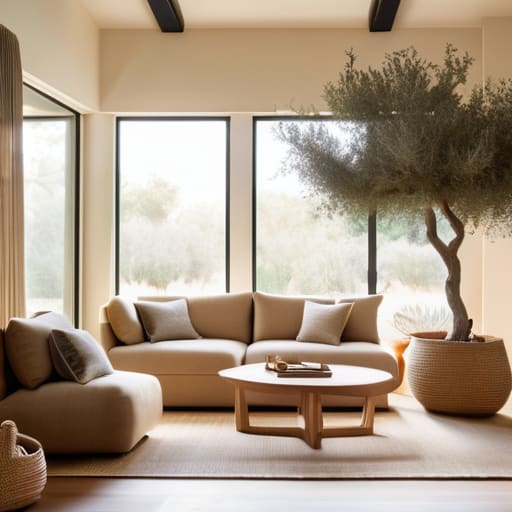
As we’ve explored, designing a living room isn’t just about where you place a sofa or a coffee table; it’s about how those choices influence the rhythm of your daily life. Whether you are navigating the constraints of a compact apartment with smart, space-saving configurations or carefully centering your furniture around a natural focal point to invite harmony, every decision matters. By prioritizing intentionality over mere decoration, you transform a standard room into a functional, breathing space that respects both your personal needs and the energy of your home. Remember, a well-planned layout is the foundation for a more mindful and organized lifestyle.
Ultimately, I want you to remember that your home should be a reflection of your values—a sanctuary that feels as restorative as a quiet morning walk along the Maine coast. Don’t feel pressured to achieve perfection overnight; instead, view your living space as an evolving project, much like my latest sea glass mosaic. Let your layout grow and shift as you learn what truly brings you peace and connection. When we take the time to curate our surroundings with purpose, we aren’t just arranging furniture; we are nurturing our well-being and creating a beautiful, sustainable foundation for the life we want to lead.
Frequently Asked Questions
How can I incorporate more indoor plants into my layout without making the room feel cluttered or cramped?
Think of your greenery as living art rather than just decor. To avoid that cluttered feeling, try embracing verticality—think hanging macramé planters or a sleek, tiered plant stand in an unused corner. This draws the eye upward, creating a sense of airy abundance. I also love grouping plants of varying heights in clusters; it feels more intentional and organic, like a tiny slice of the Maine coast, rather than a scattered mess.
Are there specific ways to arrange my furniture to better encourage natural light from my windows to reach the center of the room?
To let that beautiful natural light dance into the heart of your room, try pulling your larger pieces—like heavy sofas or high-backed armchairs—away from the window line. Think of your furniture as a flow, not a barrier. Using low-profile pieces or open-shelving units near the light source prevents harsh shadows and keeps the energy moving. It’s all about creating an unobstructed path for the sun to breathe life into your sanctuary.
How do I choose a rug size that actually anchors the seating area rather than making the space look disjointed?
Think of your rug as the anchor for your room’s entire ecosystem. A common mistake is choosing something too small, which makes the furniture feel like it’s drifting aimlessly. To create true cohesion, aim for a size where at least the front legs of your sofa and chairs rest comfortably on the rug. This physical connection visually ties your seating group together, creating a grounded, intentional sanctuary rather than a collection of floating pieces.
