How to Keep Pests Out of Your Home Naturally
I remember sitting on my porch back in Maine, watching the sunset over the Atlantic, feeling completely at peace—until I walked inside and saw a trail of ants marching across my kitchen counter like they owned the place. It’s one of those moments that instantly shatters your zen, isn’t it? Most people immediately reach for those heavy-duty, neon-colored chemical canisters, thinking that’s the only way to handle the situation. But honestly, I’ve always found that approach incredibly frustrating; it feels like we’re declaring war on our own living spaces rather than finding a balance. If you’re searching for how to prevent pests at home without turning your sanctuary into a toxic zone, you aren’t alone, and you definitely don’t need a hazmat suit to get results.
I’m not here to sell you on expensive, complicated gadgets or miracle sprays that end up harming the very ecosystem we’re trying to protect. Instead, I want to share some practical, low-impact strategies that actually work, drawing from my years in environmental consulting and my own trial and error. We’re going to dive into intentional, eco-chic swaps and clever habits that keep the uninvited guests away while keeping your home beautifully sustainable.
Table of Contents
- Crafting a Natural Insect Repellent for Home Bliss
- Sealing Cracks and Crevices to Protect Your Peace
- Cultivating a Balanced Ecosystem: 5 Simple Shifts for a Pest-Free Sanctuary
- Small Steps Toward a Harmonious Home
- Protecting Our Living Sanctuaries
- Creating a Harmonious Home Sanctuary
- Frequently Asked Questions
Crafting a Natural Insect Repellent for Home Bliss
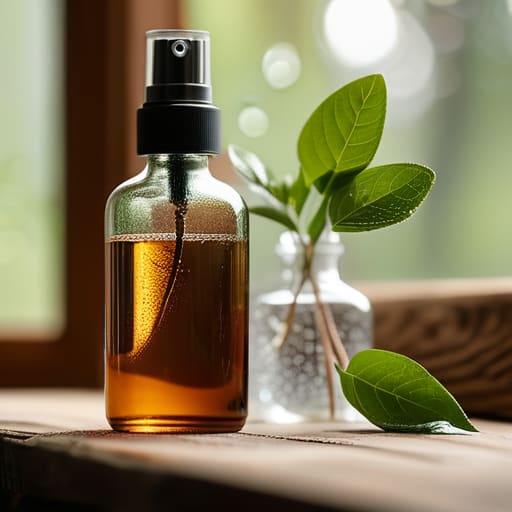
Sometimes, the best defense is a scent that we actually enjoy. Instead of reaching for those aerosol cans that leave a heavy, chemical film in the air, I love leaning into the power of essential oils. You can easily whip up a natural insect repellent for home using a simple spray bottle filled with distilled water, a splash of witch hazel, and a few drops of peppermint or eucalyptus oil. These botanical scents are incredibly effective at deterring unwanted visitors, and honestly, they make your living space smell like a fresh Maine forest after a rainstorm.
While these scents create a lovely barrier, I’ve learned that true peace of mind comes from a holistic approach. I often find myself doing a little “home audit,” focusing on moisture control to prevent bugs from settling into damp corners or under the sink. It’s about creating an environment where pests simply don’t feel welcome. By combining these gentle, aromatic deterrents with a mindful eye on your home’s ecosystem, you aren’t just fighting bugs—you’re nurturing a much more intentional and harmonious sanctuary.
Sealing Cracks and Crevices to Protect Your Peace
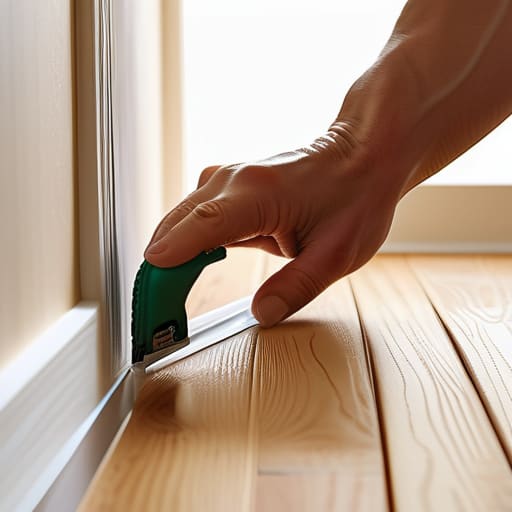
Think of your home as your personal sanctuary, a place where you should feel completely at ease. But even the most beautiful spaces can feel compromised when tiny, uninvited guests start making themselves at home. One of the most effective ways to reclaim your peace is through proactive sealing cracks and crevices around your windows, doors, and baseboards. It’s much like finding a piece of weathered sea glass; once you spot those small imperfections, you can smooth them over to create something seamless and secure. Using eco-friendly caulking or even simple weatherstripping can create a physical barrier that keeps the outdoors where it belongs.
Beyond just blocking entry points, we need to think about the “why” behind their visits. Often, pests are just searching for the basics: warmth, water, or a snack. This is where moisture control to prevent bugs becomes a game-changer. A small leak under the sink or a damp corner in the laundry room can act like a beacon for unwanted visitors. By staying mindful of these little details, we aren’t just managing a nuisance; we are intentionally cultivating a healthier, more resilient living environment that respects the balance between our indoor comforts and the wild world outside.
Cultivating a Balanced Ecosystem: 5 Simple Shifts for a Pest-Free Sanctuary
- Let’s talk about the kitchen—the heart of the home and, unfortunately, a magnet for uninvited guests. Instead of leaving crumbs behind, try making a mindful ritual of wiping down surfaces with a vinegar-based cleaner. It’s a small step that keeps your space sparkling while removing the scent trails that ants and other little wanderers use to find their way to your pantry.
- Managing what we bring inside is a game-changer. When you bring home fresh produce or even new decor, give everything a quick inspection. Just like I carefully sort through my sea glass finds, taking a second to check your grocery bags ensures you aren’t accidentally introducing hitchhiking pests into your sanctuary.
- We often overlook the power of moisture. Dampness is a huge draw for many insects and even some larger visitors. By fixing that tiny leaky faucet or ensuring your bathroom is well-ventilated, you’re essentially removing the “oasis” that pests look for when they’re searching for a place to settle.
- Rethink your pantry storage with a bit of eco-chic intention. Swapping out flimsy plastic packaging for airtight glass jars isn’t just a beautiful aesthetic choice for your shelves; it’s a practical barrier that keeps pantry moths and weevils at bay by making your food inaccessible to them.
- Finally, let’s look at your outdoor-indoor transition. Keeping your houseplants healthy and your entryway clear of leaf litter helps maintain a natural boundary. A tidy, well-maintained perimeter acts as a gentle deterrent, reminding the local wildlife that your home is a space for humans, not a playground for pests.
Small Steps Toward a Harmonious Home
Think of pest prevention as an act of stewardship; by choosing botanical repellents over harsh synthetics, you’re protecting both your family and the delicate local ecosystem.
Creating a physical barrier through mindful home maintenance, like sealing those tiny gaps, is one of the most effective ways to preserve your personal sanctuary without disrupting nature.
Remember that sustainability is a journey of intentionality, where small, consistent shifts in how we manage our living spaces lead to a much larger, positive environmental impact.
Protecting Our Living Sanctuaries
“Keeping pests at bay isn’t about waging war on nature, but about creating a balanced, intentional sanctuary where our homes and the local ecosystem can coexist in harmony.”
Jordan Mitchell
Creating a Harmonious Home Sanctuary
As we wrap up our journey into natural pest prevention, remember that keeping your space clear isn’t about waging war on nature, but about establishing healthy boundaries. By crafting your own botanical repellents and taking the time to seal those sneaky little entry points, you’re doing more than just keeping bugs at bay; you’re choosing a path of intentional stewardship. We’ve seen how simple, non-toxic shifts—like ditching the harsh synthetics for scents that actually soothe your soul—can transform your living space into a much safer environment for both your family and the local ecosystem. It’s all about those small, proactive adjustments that keep your home feeling like a true sanctuary.
At the end of the day, I truly believe that our homes should be reflections of our values. Every time you choose a sustainable solution over a quick-fix chemical spray, you are casting a vote for the kind of world you want to inhabit. It might feel like a tiny ripple in a vast ocean, but these mindful daily choices are exactly how we build a collective wave of change. So, take a deep breath, enjoy the peace of your pest-free home, and remember that living beautifully and sustainably is a journey we are all navigating together, one thoughtful step at a time.
Frequently Asked Questions
Are there any specific essential oils I should avoid if I have curious pets or small children running around the house?
That is such a vital question. When we’re bringing nature indoors, we have to remember that our little explorers—both the two-legged and four-legged kind—experience the world much more intensely than we do. I always recommend steering clear of tea tree, peppermint, and cinnamon oils around pets and toddlers; they can be quite harsh on sensitive systems. Let’s focus on gentler, diluted options like lavender to keep our sanctuary safe, soothing, and truly mindful.
How can I tell the difference between a simple seasonal nuisance and a pest problem that actually requires professional intervention?
It’s a tricky balance, isn’t it? I usually look for the “frequency vs. impact” rule. A stray ant or a lone moth is just a seasonal visitor passing through. But if you’re seeing consistent activity, finding signs of damage—like chewed wires or pantry goods—or spotting pests during the coldest months, that’s nature knocking on your door. When the ecosystem in your home feels out of sync despite your best efforts, it’s time to call in the pros.
Beyond sealing up physical gaps, are there any eco-friendly ways to manage food storage that won't clutter up my kitchen aesthetic?
Keeping your pantry organized shouldn’t mean sacrificing your aesthetic or the planet. I love swapping single-use plastics for glass jars; they look stunning on open shelving and keep pantry staples airtight. For a more rustic, coastal vibe, try linen drawstring bags for grains or dried legumes. It’s all about intentionality—using beautiful, reusable containers that turn your food storage into a curated part of your home rather than a cluttered afterthought.
