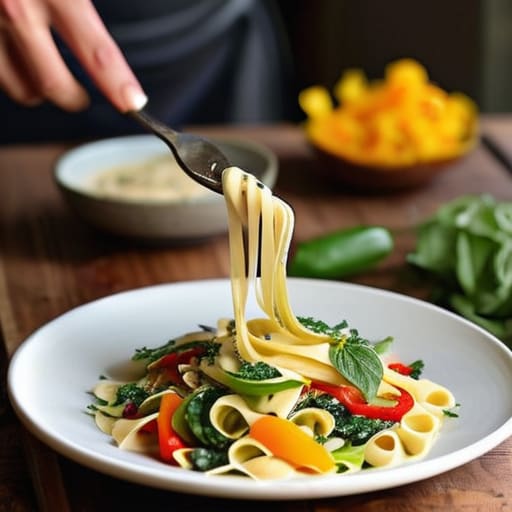
Sneaky Ways to Eat More Vegetables (that Taste Good)
I remember standing in my kitchen a few years ago, staring at a wilted, expensive bunch of organic kale that felt more like a chore than a meal. It’s that same frustration I see everywhere online: the myth that knowing how to eat more vegetables requires a massive budget, a high-end garden, or a culinary degree. We’ve been sold this idea that eating green has to be an all-or-nothing, aesthetic lifestyle overhaul, but honestly? That’s just exhausting. It turns something that should be nourishing into another item on an endless to-do list.
I’m not here to give you a lecture on complex superfoods or demand you overhaul your entire pantry overnight. Instead, I want to share some practical, low-stress strategies that actually work in the middle of a busy, modern life. We’re going to focus on small, intentional wins—the kind of simple shifts that feel less like a diet and more like a natural evolution of your daily rhythm. Consider this my no-nonsense contract with you: we’ll explore how to make greenery a seamless, deliciously effortless part of your world, one bite at a time.
Table of Contents
- Hidden Ways to Add Veggies to Meals Seamlessly
- Plant Based Nutrition Tips for a Vibrant Life
- Small Shifts, Big Impact: My Favorite Ways to Level Up Your Veggie Game
- Cultivating Your Personal Green Revolution
- The Ripple Effect of a Single Ingredient
- Cultivating Your Personal Green Revolution
- Frequently Asked Questions
Hidden Ways to Add Veggies to Meals Seamlessly
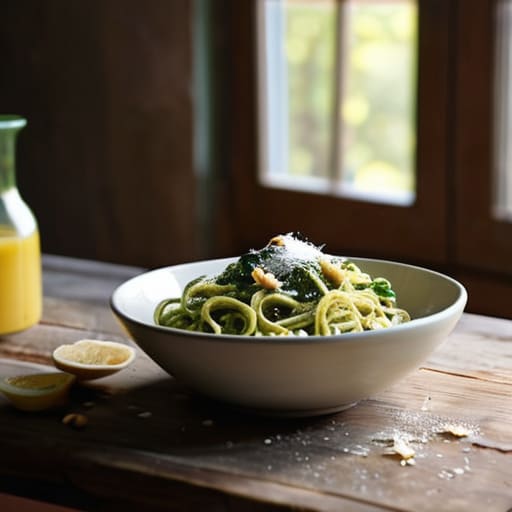
Sometimes, the biggest hurdle to a greener plate isn’t a lack of willpower, but the sheer effort of prep. This is where I love to lean into some clever hidden ways to add veggies to meals without feeling like you’re eating a bowl of plain steamed broccoli every night. Think about your favorite sauces or smoothies; a handful of spinach or even some finely grated cauliflower can disappear into a vibrant pesto or a morning protein shake entirely unnoticed. It’s about working with your existing cravings rather than fighting them.
If you’re looking for a more structural approach, I often turn to my favorite vegetable meal prep ideas to keep things effortless during a busy work week. I like to roast a massive tray of colorful root vegetables on Sunday—carrots, parsnips, and sweet potatoes—so they are ready to be tossed into grain bowls or salads in seconds. This method isn’t just about convenience; it’s a subtle way of increasing fiber intake through plants while ensuring your meals always have that satisfying, earthy depth that keeps you fueled and focused.
Plant Based Nutrition Tips for a Vibrant Life
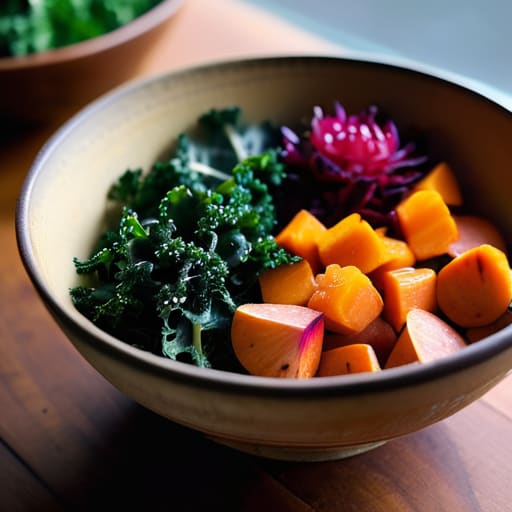
Beyond just sneaking greens into your sauces, true vitality comes from understanding how plants fuel your daily rhythm. I’ve found that the most sustainable approach isn’t about restriction, but about intentional abundance. One of my favorite plant-based nutrition tips is to view your plate as a living ecosystem; you want a diverse range of colors to ensure you’re getting a full spectrum of phytonutrients. When we focus on increasing fiber intake through plants, we aren’t just aiding digestion—we’re stabilizing our energy levels so we can show up more fully for the world around us.
To keep this momentum going during a hectic work week, I highly recommend leaning into some strategic vegetable meal prep ideas. Instead of daunting, complex recipes, try roasting large batches of seasonal root vegetables or prepping colorful cruciferous medleys that can be tossed into almost anything. It’s about creating a toolkit of ready-to-go nutrients that make the healthy choice the easiest choice. Think of it as cultivating your own internal garden; with a little bit of foresight, you can ensure you’re always nourished and ready for whatever the day brings.
Small Shifts, Big Impact: My Favorite Ways to Level Up Your Veggie Game
- Think of your morning routine as a garden bed; try folding a handful of baby spinach into your fruit smoothie. You won’t even taste the greens, but your body will feel that surge of nourishment as if you’ve just watered a thirsty seedling.
- Embrace the art of the “prep-ahead” ritual. Just like I organize my sea glass collection by color, try prepping a big batch of roasted seasonal vegetables on a Sunday. Having them ready in the fridge turns a quick lunch into a vibrant, nutrient-dense win without the extra effort.
- Let’s get creative with textures by experimenting with “veggie swaps.” Instead of reaching for heavy pasta, try using a spiralizer to create zucchini noodles or use cauliflower rice as a base for your favorite stir-fry. It’s a simple way to lighten your plate while still feeling completely satisfied.
- Don’t overlook the power of the crunch. Keep a jar of raw, sliced bell peppers or cucumber rounds on your counter—right where you can see them. Making them an easy, accessible snack turns mindless munching into an intentional moment of wellness.
- Treat your sauces like a canvas for nutrition. Whiz some steamed carrots or roasted red peppers into your pasta sauce or salad dressings. It adds a beautiful, natural pigment to your meal and sneaks in those extra vitamins in a way that feels truly seamless.
Cultivating Your Personal Green Revolution
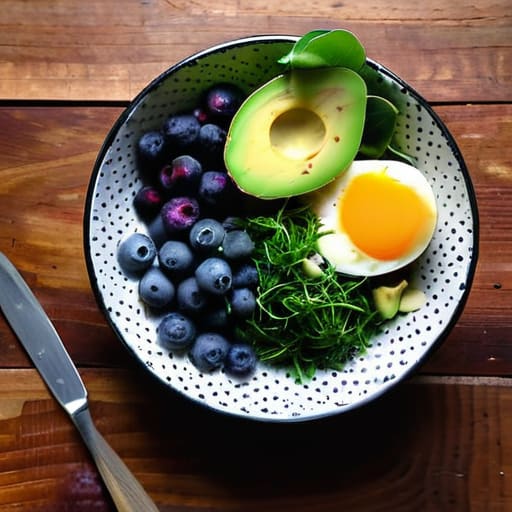
Remember that sustainability starts on your plate; treat every extra handful of spinach or colorful bell pepper as a small, intentional victory for both your body and the planet.
Don’t aim for perfection overnight—just like the way the tides slowly shape sea glass, let these tiny, seamless dietary shifts build into a powerful, lasting wave of wellness.
View your nutrition as an ecosystem where variety is key, ensuring you’re fueling your vibrant life with the diverse, plant-based nutrients your body deserves.
The Ripple Effect of a Single Ingredient
“Think of every extra handful of greens or colorful root vegetable not as a chore, but as a small, intentional ripple in your own personal ecosystem—much like how a single piece of sea glass can transform a simple DIY project, these tiny dietary shifts eventually build a massive wave of vitality and environmental change.”
Jordan Mitchell
Cultivating Your Personal Green Revolution
As we wrap up our journey through the vibrant world of plant-based eating, I hope you see that adding more vegetables isn’t about restriction, but about intentional abundance. We’ve explored how seamless integration—like tucking finely chopped greens into a morning smoothie or a hearty pasta sauce—can transform your meals without feeling like a chore. By focusing on nutrient density and finding those clever, hidden ways to boost your plate, you aren’t just eating better; you are actively fueling your body’s complex ecosystem. Remember, it’s not about achieving a perfect, flawless diet overnight, but rather about making those small, consistent shifts that build a foundation for long-term vitality.
At the end of the day, I want you to view your kitchen as a space for both creativity and conservation. Much like the way I scour the Maine coastline for that one perfect, frosted piece of sea glass, finding the right way to incorporate more greens into your life is a process of discovery and joy. Every extra handful of spinach or colorful bell pepper you add is a tiny, beautiful victory for your health and a gentle nod to a more sustainable way of living. Don’t feel pressured to change everything at once; just focus on the next delicious, green choice. Let’s turn these small habits into a powerful wave of change, one bite at a time.
Frequently Asked Questions
How can I make eating more vegetables more budget-friendly without sacrificing variety?
Think of your grocery budget like a coastal tide—it ebbs and flows, but you can always find gems if you know where to look. To keep variety high without breaking the bank, lean into seasonal shopping; nature’s rhythm ensures the best produce is the most affordable. I also swear by frozen and canned options—they’re nutrient-dense, budget-friendly, and reduce food waste. It’s about being resourcefully intentional, much like repurposing a weathered piece of sea glass.
Are there any easy ways to prep veggies ahead of time so they don't go to waste during a busy work week?
Think of veggie prep as setting the stage for your week’s success. I love the “wash, chop, and store” method—tossing pre-cut bell peppers or broccoli into glass jars keeps them crisp and ready for a quick stir-fry. You can even roast a big batch of root vegetables on Sunday to toss into salads later. It’s all about reducing friction; when the hard work is done, choosing the sustainable, veggie-forward option becomes effortless.
What are some flavorful ways to season vegetables so they don't feel like a chore to eat?
Think of seasoning as the art of bringing out a vegetable’s soul. Instead of just salt and pepper, try roasting root veggies with smoked paprika and a drizzle of maple syrup—it’s like finding that perfect, sun-drenched piece of sea glass. For greens, a squeeze of lemon and toasted sunflower seeds adds a bright, textural pop. When we treat flavor as an adventure rather than a chore, eating well becomes a joyful, sensory celebration.
