
Small Mental Health Habits With a Big Payoff
I remember sitting on a weathered bench back in Maine, staring at a handful of frosted sea glass and feeling absolutely nothing but a crushing sense of burnout. The wellness industry loves to sell us this polished, expensive version of mental health self care—think $80 scented candles, aesthetic marble bathtub setups, and mandatory weekend retreats that cost more than my first car. It’s all so performative. We’ve been conditioned to believe that if our relaxation doesn’t look like a curated Instagram feed, it somehow doesn’t count, but that’s just another way to exhaust ourselves.
I’m not here to sell you a lifestyle overhaul or a subscription to a luxury meditation app. Instead, I want to talk about the raw, unpolished, and often messy reality of maintaining your inner ecosystem. I’m going to share some grounded, intentional rituals that actually work when life feels like a storm surge, focusing on small shifts that fit into a busy, modern life. We’re going to move past the hype and look at how we can build resilient mental habits that are as sustainable and real as the earth beneath our feet.
Table of Contents
- Daily Mindfulness Practices to Calm Your Inner Tides
- Emotional Regulation Techniques for a Balanced Soul
- Nurturing Your Inner Ecosystem: 5 Rituals for Sustainable Well-being
- 🌱 Nurturing Your Inner Ecosystem: Key Reflections
- ## Nurturing Your Inner Ecosystem
- Nurturing Your Long-Term Inner Ecosystem
- Frequently Asked Questions
Daily Mindfulness Practices to Calm Your Inner Tides

I’ve found that much like tending to a backyard beehive, finding stillness requires a gentle, consistent touch rather than a sudden overhaul. To keep your internal ecosystem from becoming overwhelmed, I recommend integrating small daily mindfulness practices into your morning rhythm. Instead of reaching for your phone the moment you wake up, try spending just five minutes observing the light filtering through your window or feeling the texture of your favorite ceramic mug. This simple act of presence acts as a buffer, helping you anchor yourself before the digital noise of the day begins to surge.
When the afternoon rush starts to feel like a heavy swell, lean into intentional emotional regulation techniques to steady your breathing. I often use a grounding exercise where I focus on three natural textures around me—the grain of a wooden desk, the coolness of a stone, or the softness of a linen shirt. These micro-moments of connection serve as vital burnout prevention tips, allowing you to navigate high-pressure tasks without losing your sense of center. It’s about creating a sustainable internal pace that honors both your productivity and your peace.
Emotional Regulation Techniques for a Balanced Soul

When the waves of intense emotion start crashing against your mental shores, it can feel overwhelming, much like a sudden storm hitting the Maine coast. Instead of trying to fight the tide, I’ve found that learning specific emotional regulation techniques allows us to navigate these swells with much more grace. It’s not about suppressing how you feel; it’s about creating a container for those feelings so they don’t sweep you away. I often think of it like tending to my beehives—you can’t stop the bees from buzzing, but you can certainly manage the environment to keep the hive stable and productive.
One of my favorite ways to find my center is through sensory grounding. When anxiety begins to cloud my perspective, I step away from the digital noise and focus on something tactile, like the smooth texture of a piece of sea glass I’ve collected. This simple act serves as one of my most effective burnout prevention tips, pulling my focus away from spiraling thoughts and back into the physical present. By integrating these small, intentional pauses into your day, you aren’t just surviving the stress; you are actively improving your psychological well-being from the inside out.
Nurturing Your Inner Ecosystem: 5 Rituals for Sustainable Well-being
- Curate Your Digital Landscape: Just as we strive to reduce digital clutter to focus on what matters, treat your social media feed like a garden. Unfollow accounts that drain your energy and cultivate a digital space filled with inspiration and calm, ensuring your online interactions nourish rather than deplete you.
- Embrace the Slow Movement: In our fast-paced world, it’s easy to burn out. Try incorporating “slow rituals”—like savoring a cup of tea without a screen or taking a mindful walk through a local park—to remind yourself that growth, much like the tides, doesn’t happen all at once.
- Practice Radical Self-Compassion: We often hold ourselves to impossible standards, but remember that even the most resilient ecosystems need periods of rest and fallow ground to recover. Forgive your setbacks and treat your mental slips with the same kindness you’d offer a friend.
- Ground Yourself Through Tactile Creativity: When the mental noise gets too loud, get your hands dirty. Whether it’s tending to your urban beehives, working on a sea glass mosaic, or simply journaling, engaging your senses in a physical task can act as an anchor when you feel adrift.
- Establish Sustainable Boundaries: Protecting your energy is a form of environmentalism for the soul. Learn to say “no” to commitments that overextend your emotional resources, creating the necessary space to replenish your internal reserves and show up fully for what truly matters.
🌱 Nurturing Your Inner Ecosystem: Key Reflections
Think of your mental well-being like a coastal garden; it requires consistent, gentle tending rather than sudden, overwhelming shifts to truly flourish.
Small, intentional rituals—much like the way sea glass is smoothed by the ocean—can transform even the roughest emotional tides into moments of clarity and peace.
True sustainability isn’t just about our planet, but about creating a sustainable rhythm for our own souls through mindful, everyday choices.
## Nurturing Your Inner Ecosystem
“Much like the delicate balance of a coastal tide pool, our mental well-being isn’t a destination we reach, but a living ecosystem that requires our gentle, daily stewardship to thrive.”
Jordan Mitchell
Nurturing Your Long-Term Inner Ecosystem
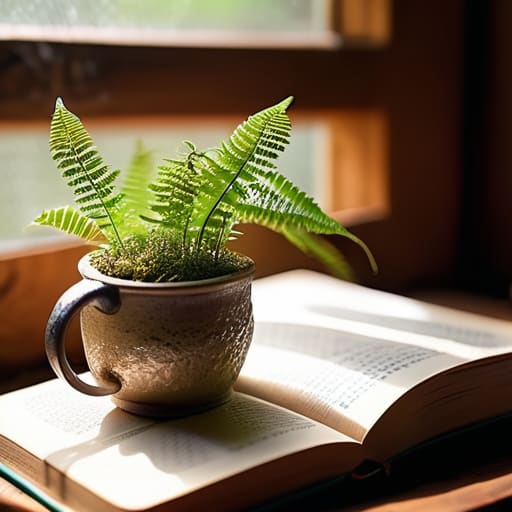
As we’ve explored, mental health isn’t a destination you reach, but rather a continuous cycle of tending to your internal landscape. From the rhythmic, grounding power of daily mindfulness to the more complex work of emotional regulation, each tool we’ve discussed serves as a way to stabilize your personal environment. Just as I’ve learned through urban beekeeping, you can’t force a hive to thrive; you can only provide the right conditions for life to flourish. By integrating these intentional rituals into your routine, you aren’t just managing stress—you are actively building a resilient foundation that can weather even the most turbulent emotional seasons.
I want you to remember that progress isn’t always a straight line, much like the shifting tides back home in Maine. Some days will feel like a calm morning on the coast, while others might feel like a sudden storm rolling in from the Atlantic. That’s okay. The goal isn’t perfection; it’s the commitment to keep showing up for yourself, one small, mindful breath at a time. Treat your mental well-being with the same gentle stewardship you would give to a coastal forest or a budding garden. If you focus on these small, consistent actions, you’ll eventually look back and realize you haven’t just survived the storms—you’ve learned how to grow through them.
Frequently Asked Questions
How can I maintain these self-care rituals when my schedule feels as unpredictable as a coastal storm?
When life gets as turbulent as a sudden Nor’easter, don’t aim for perfection; aim for micro-moments. If you can’t carve out an hour for meditation, take three deep, intentional breaths between meetings. Think of it like tending to my bees—even on stormy days, small, consistent actions keep the hive thriving. Adapt your rituals to fit the weather of your day. Flexibility isn’t a failure; it’s how we build true resilience.
Are there ways to integrate mental wellness into my sustainable lifestyle without it feeling like just another chore on my to-do list?
Think of it less like a task and more like a natural rhythm. Instead of adding “meditate” to your list, try “sensory grounding” during something you’re already doing—like feeling the texture of recycled linen or noticing the scent of your compost tea. When we weave wellness into our existing eco-habits, it stops being a chore and starts becoming a soulful way to reconnect with the world around us.
How do I know if my self-care practices are actually helping me find balance, or if I'm just performing "wellness" for the sake of it?
It’s a question that hits home, especially in our hyper-connected world. Think of it like this: are you tending to your garden to help it flourish, or just rearranging the pots for a photo? Real self-care feels like a quiet, steady exhale—it’s about how you feel when the screen is off. If your rituals leave you feeling more depleted or anxious about “doing it right,” you’re likely performing. True balance feels like grounding.
