Spring Cleaning Tips to Reset Your Whole Home
I remember standing in my tiny apartment last April, surrounded by a mountain of plastic-wrapped “eco-friendly” cleaning kits that cost more than my weekly groceries. The air was thick with the scent of artificial lemon, and I felt this overwhelming sense of guilt—not because my space was messy, but because I was following all the standard spring cleaning tips only to realize I was just adding more waste to the landfill. It felt so disconnected from the natural rhythm of the seasons I grew up with in Maine; it felt like a chore designed to sell us more stuff rather than a way to actually refresh our lives.
I’m not here to sell you a subscription to a boutique cleaning service or a cabinet full of single-use gadgets. Instead, I want to share a way to approach this season that honors both your home and the planet. I’m going to walk you through some truly intentional strategies—using what you already have and making simple, low-impact swaps—that turn the chaos of decluttering into a moment of clarity. Let’s move past the hype and focus on meaningful, sustainable shifts that actually stick.
Table of Contents
Decluttering Your Living Space With Mindful Purpose
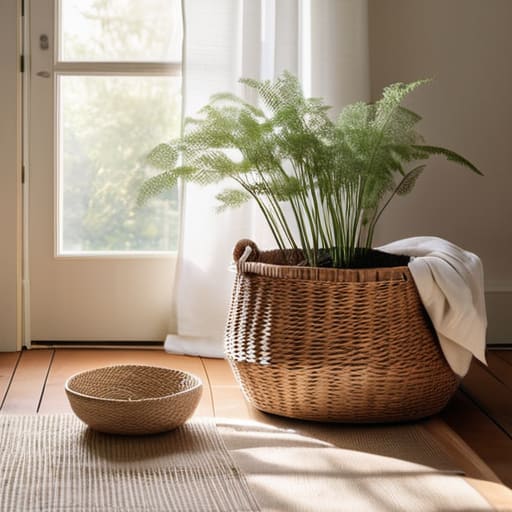
When it comes to decluttering your living space, I’ve learned that it’s rarely about just throwing things away; it’s about making room for what truly serves your life and the planet. Instead of the frantic, “toss everything in a black trash bag” approach, I prefer a more rhythmic, intentional process. Think of it as a gentle exhale for your home. Before you reach for the bins, take a moment to sit in each room and notice where the energy feels heavy or stagnant. Are those old, plastic-heavy organizers actually helping, or are they just adding to the noise?
I often find that organizing kitchen cabinets or closets becomes much easier when you approach it with a sense of gratitude for what you already own. As I clear out the excess, I try to find a second life for items—perhaps a glass jar becomes a vessel for bulk pantry staples, or an old linen becomes a reusable cleaning rag. By shifting our perspective from disposal to repurposing, we transform a chore into a meaningful ritual of renewal. It’s about creating a sanctuary that feels as light and breezy as a Maine morning.
Natural Cleaning Solutions for a Healthier Home
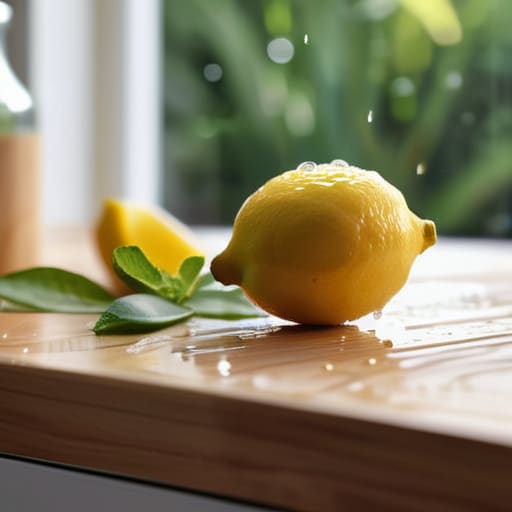
Once you’ve finished decluttering your living space, it’s time to tackle the surfaces themselves. I used to reach for those neon-colored sprays without a second thought, but my time in Maine taught me that nature usually provides the best ingredients. Instead of filling your air with synthetic fragrances, I love leaning into natural cleaning solutions that actually work. A simple mixture of white vinegar, water, and a few drops of lemon essential oil can tackle most grime, leaving your home smelling like a fresh coastal breeze rather than a laboratory.
For those more intensive tasks, like a deep cleaning bedroom routine or scrubbing the bathroom tiles, don’t underestimate the power of baking soda. It’s a total game-changer for lifting stains without the harsh fumes. When it comes to your cleaning supplies essentials, think minimalist and multipurpose. Keeping a few versatile ingredients on hand—like castile soap and microfiber cloths—not only reduces plastic waste but also ensures that your seasonal home maintenance is as gentle on your lungs as it is on the planet.
Small Shifts for a Sustainable Seasonal Refresh
- Audit Your Textiles: Before you toss those old linens or worn-out cotton tees, take a moment to see if they can be repurposed. I love turning old, soft cotton scraps into reusable cleaning cloths—it’s a simple way to keep fabric out of the landfill while ditching paper towels.
- The “One-In, One-Out” Rule for Seasonal Swaps: As you bring out your lighter spring wardrobe, resist the urge to just add more. For every new eco-friendly piece you bring into your closet, try donating or recycling an old one to keep your consumption footprint light and intentional.
- Refresh Your Greenery: Spring is the perfect time to prune and repot your indoor plants. Not only does this give them a much-needed boost, but it also cleans the air in your home naturally, acting as a living, breathing filtration system for your living space.
- Digital Decluttering for Mental Clarity: We often forget that our digital lives take up energy, too. Spend an hour unsubscribing from those junk emails and organizing your cloud storage; it’s a low-impact way to reduce your digital footprint and clear some mental headspace.
- Upcycle Your Glassware: Instead of buying new storage containers, keep an eye out for interesting glass jars. After a good soak to remove the labels, they become beautiful, zero-waste vessels for pantry staples or even little propagation stations for your plant cuttings.
Small Steps, Big Ripples: My Final Thoughts
Remember that decluttering isn’t just about tidying up; it’s about making intentional space for the things that truly add value to your life and honor your environment.
Transitioning to natural cleaning products is a gentle but powerful way to protect your home’s ecosystem and reduce the chemical footprint we leave behind.
Don’t feel pressured to overhaul everything at once—focus on one small, sustainable swap at a time, because consistency is what ultimately drives meaningful change.
A Shift in Perspective
“Spring cleaning shouldn’t just be about clearing out the dust; it’s about clearing the space for more intentional living, ensuring that every item we keep and every scent we invite into our homes honors both our well-being and the planet we call home.”
Jordan Mitchell
Carrying the Momentum Forward
As we wrap up this seasonal refresh, I hope you feel a sense of lightness in your home and your heart. We’ve walked through the process of decluttering with intention—choosing to keep what truly serves us—and swapping out those harsh, synthetic cleaners for gentle, plant-based alternatives that respect our indoor air quality. By shifting our focus from mere “tidying up” to mindful stewardship, we aren’t just cleaning a room; we are cultivating a sanctuary. Remember, every time you choose a reusable cloth over a paper towel or a vinegar-based spray over a chemical cocktail, you are making a tangible impact on the health of our shared environment.
Ultimately, spring cleaning shouldn’t feel like a daunting chore on a checklist, but rather a beautiful opportunity to reset our relationship with our surroundings. Just like the way the tide reshapes the Maine coastline, these small, rhythmic changes in our daily habits eventually create a lasting landscape of change. Don’t feel pressured to overhaul everything overnight; even the smallest shift is a victory worth celebrating. Let’s move into this new season with renewed intention, proving that living beautifully and living sustainably are not just compatible, but are actually two sides of the same coin. Keep dreaming, keep doing, and keep growing.
Frequently Asked Questions
How can I responsibly dispose of or repurpose items I declutter, especially things that aren't easily donated?
When things don’t fit into the “donation” box, don’t let them become landfill fodder. For textiles that are too worn to donate, look into fabric recycling programs or even use them as cleaning rags. For old electronics or tricky plastics, seek out specialized e-waste facilities. And before you toss anything, ask: Can this be reimagined? I love turning old glass jars into herb planters or using scraps for small DIY projects. Let’s keep the cycle moving.
Are there specific essential oils I should avoid using in my natural cleaning DIYs if I have pets or small children?
That is such a thoughtful question, and honestly, it’s one I’ve had to navigate myself. While the scent of citrus is lovely, certain oils like tea tree, peppermint, and cinnamon can be quite harsh for curious little noses or sensitive paws. If you have kiddos or pets roaming around, I’d lean toward much gentler options like lavender or chamomile. It’s all about finding that sweet spot where your home feels fresh without compromising their safety.
How do I balance the urge to deep clean everything at once with the need to stay mindful and avoid feeling overwhelmed?
I totally get that urge—it’s like a tidal wave of motivation hitting you all at once. But remember, trying to tackle everything in one go is a quick recipe for burnout. Instead, try the “micro-zone” approach. Pick one small corner, like a single shelf or a junk drawer, and give it your full, mindful attention. By celebrating these tiny wins, you keep the momentum flowing without losing your peace of mind.
