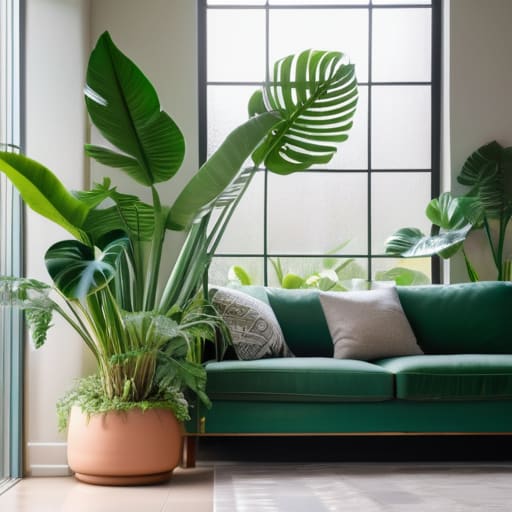
How to Improve the Air Quality in Your Home
I remember sitting in my tiny Brooklyn apartment after my first stint in digital media, staring at a sleek, $500 air purifier that promised to “purify the soul” of my living space. I felt like a fraud; I was surrounded by high-tech gadgets, yet the air still felt heavy, stale, and utterly disconnected from the crisp, salt-aired mornings I grew up with in Maine. We’ve been sold this idea that how to improve indoor air quality requires a massive investment in plastic machines and complicated filtration systems, but honestly? That’s just more clutter for a life that’s already too full.
I’m not here to sell you on more expensive hardware or complicated chemical solutions that end up polluting the very space you’re trying to protect. Instead, I want to share a more intentional approach—one that blends practical, low-impact habits with the kind of resourceful wisdom I’ve gathered from years of environmental consulting. We are going to explore how to transform your home into a breathing sanctuary through simple, everyday shifts that honor both your health and the planet. Let’s get back to basics and breathe a little easier, together.
Table of Contents
- Unmasking Common Indoor Air Pollutants in Your Space
- Natural Ways to Purify Air Through Intentional Living
- Cultivating Your Indoor Ecosystem: Five Intentional Shifts for Cleaner Air
- Bringing it All Together: Your Path to a Breathable Sanctuary
- Creating a Living Sanctuary
- Breathing Life Back into Your Sanctuary
- Frequently Asked Questions
Unmasking Common Indoor Air Pollutants in Your Space
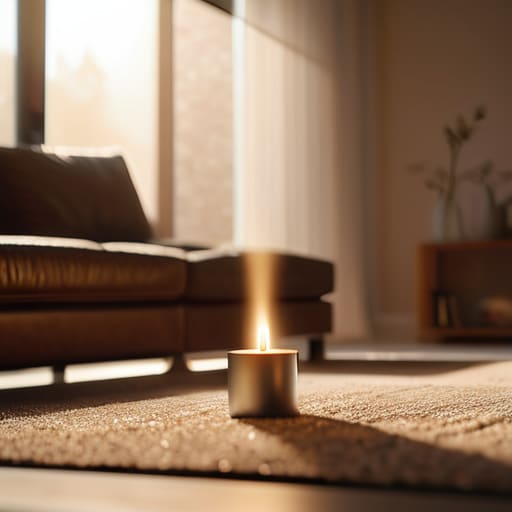
Before we can dive into the solutions, we have to get honest about what’s actually floating around in our living spaces. It’s easy to assume that if a room looks clean, the air is pure, but the reality is often much more complex. We’re frequently breathing in a cocktail of common indoor air pollutants that we barely notice—from the volatile organic compounds (VOCs) lingering in our favorite scented candles to the microscopic particles shed by synthetic carpets. It’s a bit like walking through a coastal fog; you don’t always see the density of it until you’re right in the thick of it.
Then, there’s the invisible factor: the impact of humidity on air quality. If your home feels a bit too heavy or damp, you might be inadvertently inviting dust mites and mold to join the party. On the flip side, air that’s too dry can irritate our respiratory systems. Identifying these hidden culprits isn’t about creating anxiety; it’s about developing a mindful awareness of our surroundings so we can curate a home environment that truly supports our well-being.
Natural Ways to Purify Air Through Intentional Living
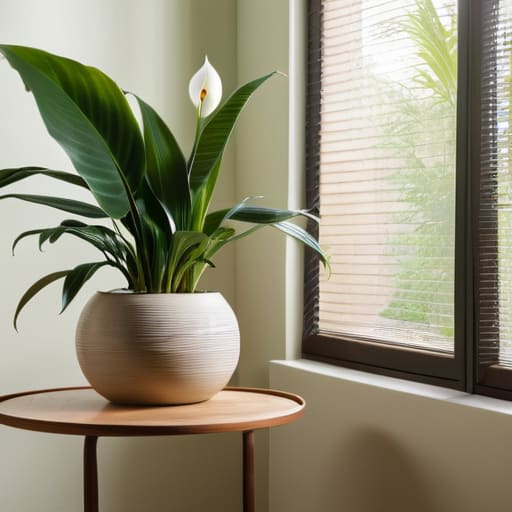
Instead of reaching for a chemical spray to mask odors, I’ve found that the most beautiful way to cleanse our space is by inviting the living world inside. Bringing in a curated collection of houseplants—think hardy Snake Plants or lush Peace Lilies—does more than just elevate your aesthetic; it’s a gentle, rhythmic way of natural ways to purify air through biological filtration. There is something deeply grounding about tending to a leafy companion, a small ritual that reminds us we are part of a larger, breathing ecosystem.
Beyond the greenery, we can look to the very elements that sustain us. Mastering simple ventilation techniques for homes, like the strategic opening of windows during the golden hour, allows for a fresh exchange that flushes out stagnant energy. I also love experimenting with essential oil diffusers using pure, organic extracts, though I always keep a close eye on the impact of humidity on air quality to ensure the balance stays just right. It’s about finding that sweet spot where modern living meets the restorative power of the natural world.
Cultivating Your Indoor Ecosystem: Five Intentional Shifts for Cleaner Air
- Embrace the Breath of the Outdoors: Open your windows for at least ten minutes every morning. Even if it’s a brisk Maine morning, that simple exchange of stale indoor air for fresh, oxygenated air is one of the most effective, zero-cost rituals you can adopt to reset your home’s atmosphere.
- Curate a Living Air Filter: Instead of reaching for a plastic air purifier, lean into the wisdom of nature by surrounding yourself with houseplants. Varieties like Snake Plants or Peace Lilies don’t just add a touch of eco-chic aesthetic to your shelving; they actively work to scrub toxins from your air.
- Rethink Your Cleaning Rituals: We often try to clean our homes only to inadvertently pollute them with synthetic fragrances. Swap out those harsh, chemical-heavy sprays for simple, biodegradable alternatives like white vinegar and essential oils to keep your sanctuary truly pure.
- Mindful Cooking and Ventilation: Cooking can release a surprising amount of particulate matter into your living space. Make it a habit to always engage your exhaust fan or crack a nearby window while you’re preparing meals, ensuring those cooking vapors don’t linger in your breathing zone.
- Manage the Moisture Balance: Excess humidity can invite mold and dust mites, which are silent disruptors of air quality. By using small, thoughtful tools like moisture absorbers or simply ensuring your bathroom is well-ventilated after a shower, you’re protecting both your lungs and the integrity of your home.
Bringing it All Together: Your Path to a Breathable Sanctuary
Remember that air quality isn’t a one-time fix; it’s a continuous, mindful practice of observing how your environment interacts with your daily rituals.
Focus on the power of small, intentional shifts—like swapping out synthetic scents for living greenery—to create a space that truly honors both your well-being and the planet.
Don’t feel overwhelmed by the complexity; start with one simple change today, knowing that every intentional breath is a step toward a more sustainable and harmonious home.
Creating a Living Sanctuary
“Improving your indoor air isn’t just a checklist of chores; it’s about curating a sanctuary that breathes alongside you, turning our homes from mere shelters into living, breathing extensions of the natural world we strive to protect.”
Jordan Mitchell
Breathing Life Back into Your Sanctuary
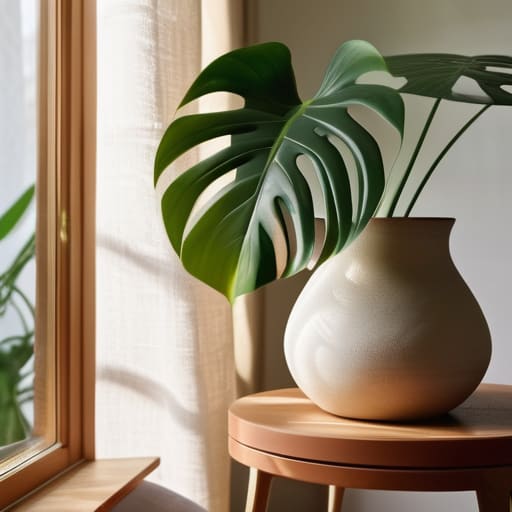
As we’ve explored, reclaiming the purity of your indoor air isn’t about a radical, overnight overhaul; it’s about the intentional layering of small, mindful shifts. From identifying those hidden pollutants lurking in our everyday household items to inviting the quiet, purifying power of greenery into our corners, each step counts. Whether you’re opting for natural cleaning alternatives or simply opening a window to let the breeze dance through your living room, you are actively choosing to prioritize your well-being and the health of your immediate ecosystem. It’s about moving away from the sterile and synthetic, and moving toward a more harmonious connection with the natural world right inside your own walls.
At the end of the day, I hope you see these changes not as chores on a checklist, but as a beautiful way to honor your home. Much like the sea glass I find on the Maine coast—pieces that have been weathered and shaped by the elements into something uniquely beautiful—our journey toward sustainability is often found in the gentle refinement of our existing habits. Don’t feel pressured to do everything at once. Just pick one small ritual, one green plant, or one cleaner swap, and watch how it transforms the very energy of your space. Let’s continue to breathe deeply and live intentionally, making every breath a small victory for our planet.
Frequently Asked Questions
How can I balance my love for cozy, textured home decor with the need to minimize dust and air pollutants?
I completely get this struggle—I love a good chunky knit throw as much as the next person, but I know they can be dust magnets. The secret is in the “curated layers.” Instead of heavy, wall-to-wall textiles, opt for a few high-quality, washable organic cotton pieces or linen. When you do go cozy, give them a weekly shake outdoors or a quick vacuum. It’s about finding that sweet spot between tactile comfort and a breathable, clean sanctuary.
Are there specific indoor plants that actually make a measurable difference, or is it more about the aesthetic vibe?
It’s a bit of both, honestly. While a lush, green corner certainly elevates the “eco-chic” vibe of a room, certain plants are the real heavy lifters. I’m talking about the classics like Snake Plants or Peace Lilies; they aren’t just there for the aesthetic—they’re working overtime to filter toxins like formaldehyde. Think of them as living, breathing air purifiers that happen to look stunning on your windowsill.
How do I transition to non-toxic cleaning rituals without feeling like I'm sacrificing effectiveness or spending a fortune?
I totally get that hesitation—nobody wants a “green” cleaner that leaves your kitchen feeling anything less than spotless. The secret isn’t in expensive, boutique sprays; it’s in reclaiming the power of simple, pantry-staple chemistry. Start small with white vinegar, baking soda, and lemon. They’re incredibly effective, budget-friendly, and won’t fill your lungs with synthetic fragrances. Think of it as a gradual shift toward intentionality rather than an overnight overhaul.
