Easy Kids’ Craft Ideas for a Rainy Day
Ever feel like those brightly colored, plastic-heavy toy aisles are a bit overwhelming? It’s easy to fall into the trap of buying more “stuff” when we’re looking for ways to keep our little ones occupied, but I’ve always felt that the best way to spark a child’s imagination is through something much more grounded. Finding meaningful kids craft ideas shouldn’t mean adding more clutter to your home or more waste to our landfills. Instead, I believe we can use what we already have—nature’s treasures or even those little scraps of cardboard in the recycling bin—to teach our children that creativity doesn’t require a credit card.
In this post, I’m sharing five of my favorite, earth-friendly projects that bridge the gap between play and environmental stewardship. We’re going to dive into some hands-on activities that turn “trash” into treasure and backyard finds into works of art. By the time we’re through, you’ll have a toolkit of sustainable, soul-nourishing activities that will keep your kids engaged while helping them develop a deep, lasting connection to the world around them. Let’s get crafting!
Table of Contents
- Nature’s Own Paintbrushes
- Upcycled Cardboard Cityscapes
- Seed Bombs for Tiny Gardeners
- Sea Glass Mosaic Art
- Fabric Scrap Sensory Quilts
- Small Steps, Big Impact: Carrying the Spirit of Creativity Forward
- Cultivating a Green Legacy
- Cultivating a Greener Tomorrow, One Craft at a Time
- Frequently Asked Questions
Nature’s Own Paintbrushes
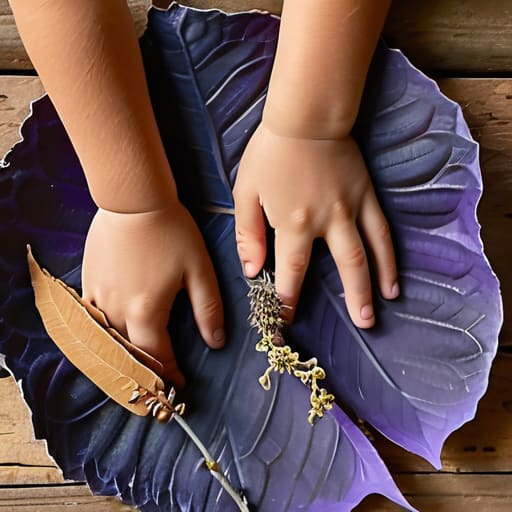
Instead of reaching for those plastic-wrapped brush sets, why not head outside and see what the earth has already provided? I love taking my niece to the local park to collect fallen twigs, dried lavender sprigs, or even large, textured leaves. These natural tools create stunningly unique textures that you just can’t replicate with synthetic bristles, turning a simple afternoon of painting into a genuine sensory adventure.
Upcycled Cardboard Cityscapes
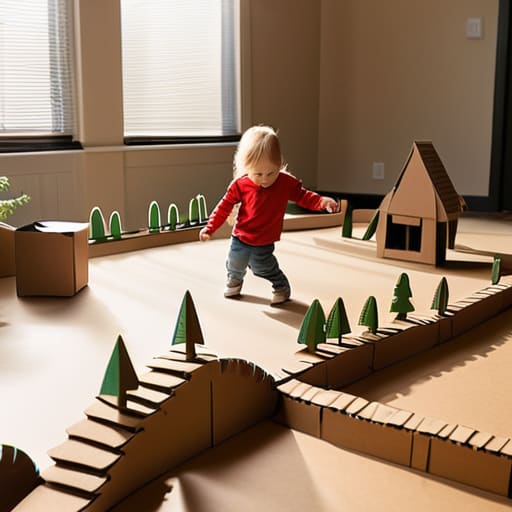
We all have that growing mountain of delivery boxes in the recycling bin, but before they head out the door, let’s give them a second life. Cardboard is arguably the most versatile medium for a child’s imagination. With a little non-toxic glue and some leftover scraps, you can help your little ones build an entire miniature metropolis or a sprawling forest kingdom right on your living room floor.
Seed Bombs for Tiny Gardeners
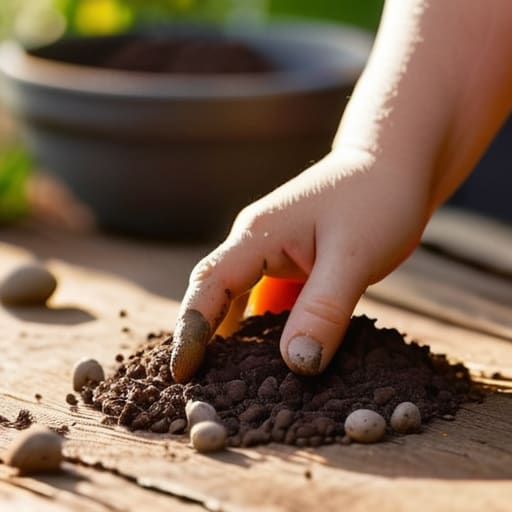
If you’re looking for a way to get your hands a little dirty while teaching the magic of growth, seed bombs are a total game-changer. All you need is some compost, a bit of clay, and a handful of native wildflower seeds. Rolling these little spheres together is a tactile, deeply grounding experience for children, connecting their small hands directly to the cycle of life.
Sea Glass Mosaic Art
This one is a bit of a personal favorite of mine, inspired by my frequent walks along the Maine coast. If you happen to find bits of smooth sea glass or even just colorful pebbles, you can use them to create breathtaking mosaic art. I like to use a bit of eco-friendly adhesive to press these treasures onto a piece of reclaimed wood, creating a piece of decor that feels truly soulful and intentional.
Fabric Scrap Sensory Quilts
We often overlook the piles of old, soft cotton shirts or worn-out linens that are destined for the rag bin. Instead of tossing them, let’s use those scraps to create small sensory patches or even a “memory quilt.” Cutting these fabrics into different shapes and textures allows children to explore tactile diversity in a way that’s both soothing and incredibly creative.
Small Steps, Big Impact: Carrying the Spirit of Creativity Forward
Remember that the “perfect” craft matters far less than the intention behind it; by using recycled materials, you’re teaching your kids that beauty can be found in what others might call waste.
Use these creative moments as a bridge to nature, turning a simple afternoon project into a lifelong lesson on how our small, daily choices ripple out to protect the world around us.
Don’t be afraid to let the process be a little messy and unscripted—true sustainability is about resourcefulness and finding joy in the unconventional.
Cultivating a Green Legacy
“When we sit down with our children to craft something from the world around us, we aren’t just making art; we’re teaching them to see the beauty in what others call waste and the profound potential in every small, intentional choice.”
Jordan Mitchell
Cultivating a Greener Tomorrow, One Craft at a Time
As we wrap up today’s little adventure in creativity, I hope these ideas have shown you that you don’t need a store-bought kit to spark a child’s imagination. From transforming old cardboard into backyard habitats to using those beautiful fallen leaves for natural art, we’ve explored how much magic is hidden in our everyday recyclables. By choosing to repurpose rather than replace, we aren’t just keeping clutter out of our homes; we are actively teaching our children to see the hidden potential in things the world has discarded. These crafts are more than just afternoon activities—they are small, tangible lessons in resourcefulness and respect for the planet we share.
At the end of the day, my biggest hope is that these moments of play foster a lifelong connection between your little ones and the natural world. It’s easy to feel overwhelmed by the scale of environmental challenges, but remember that every child who learns to value a piece of sea glass or a recycled jar is a child who grows up with an eco-conscious heart. Let’s keep nurturing that curiosity and showing them that living sustainably can be just as much fun as it is meaningful. Together, we are building a foundation of intentional living that will ripple outward for generations to come.
Frequently Asked Questions
Are there any specific non-toxic, eco-friendly glue or paint brands you recommend for younger children?
That’s such a thoughtful question—getting the materials right is just as important as the project itself! For little hands, I always lean toward brands like beeswax-based crayons or soy-based paints from companies like Stockmar. For glue, you can’t go wrong with non-toxic, starch-based options like Elmer’s eco-friendly line, or even homemade flour paste. It keeps the playtime safe for them and much kinder to our precious planet.
How can I keep my kids engaged with these crafts if we don't have easy access to a backyard or a local park?
I totally hear you—not everyone has a sprawling garden to work with. But honestly, creativity doesn’t need acreage; it just needs intention. I like to turn our small balcony or even just a sunny windowsill into a “micro-nature station.” Use recycled jars for windowsill herb gardens or collect interesting pebbles from your next walk. When we treat small, urban spaces as tiny ecosystems, we teach our kids that nature is everywhere, not just in a forest.
What are some ways to upcycle common household waste into craft supplies without making the process too messy or complicated?
Think of your recycling bin as a treasure chest rather than a chore. To keep things clean, try repurposing cardboard cereal boxes into sturdy stencils or using empty toilet paper rolls as seed starter pots—no messy glue required! You can also transform clean glass jars into beautiful terrariums. The trick is to prep your materials first; once everything is washed and dried, the “upcycling” feels less like a project and more like magic.
