
Deep Work: How to Do Your Best Thinking
I remember sitting on a weathered bench in my hometown in Maine last autumn, the salt spray stinging my cheeks and the rhythmic pulse of the Atlantic providing the only soundtrack. I was trying to map out a new conservation strategy, but my mind was a chaotic storm of notification pings and the phantom itch to check my email. It hit me then that we’ve been sold this lie that being “busy” is a badge of honor, when in reality, our constant digital fragmentation is just polluting our mental ecosystem. We treat our attention like a renewable resource that can be endlessly tapped, but without the ability to engage in true deep work, we’re just skimming the surface of our own potential.
I’m not here to sell you a complex, expensive productivity system or a rigid schedule that feels more like a cage than a tool. Instead, I want to share how I’ve learned to cultivate a sense of intentional stillness amidst the digital noise, using the same focus I apply to my urban beehives. I’ll show you how to reclaim your cognitive clarity through practical, sustainable habits that respect your energy rather than draining it. Let’s stop reacting to the world and start creating within it.
Table of Contents
- Protecting Your Cognitive Capacity and Concentration
- Eliminating Digital Distractions to Find Your Inner Calm
- Cultivating Your Focus: Five Rituals for Deeper Intentionality
- Cultivating Your Mental Ecosystem: Three Seeds for Deeper Focus
- The Quiet Power of Intentionality
- Finding Your Rhythm in the Noise
- Frequently Asked Questions
Protecting Your Cognitive Capacity and Concentration
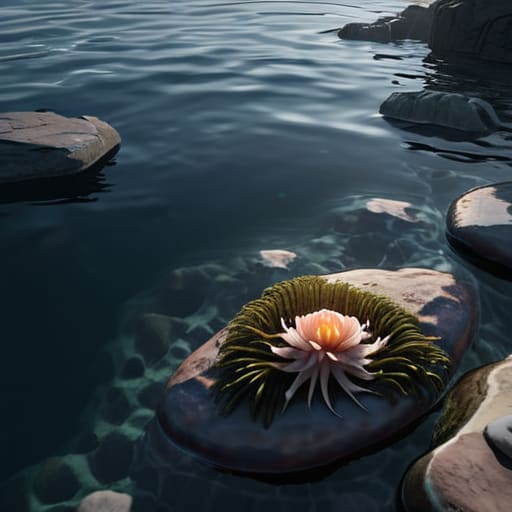
Think of your attention like a coastal tide pool; it’s a finite, precious resource that can be easily muddied by the constant influx of outside debris. Every time we reflexively reach for a buzzing smartphone or succumb to the siren call of a new tab, we aren’t just losing minutes—we are actively eroding our cognitive capacity and concentration. It’s much like trying to cultivate a delicate garden while a storm is blowing through; if you don’t build a windbreak, nothing has the chance to truly take root.
To protect this mental landscape, we have to move beyond the myth of efficiency that comes with constant connectivity. I’ve found that the true magic happens when we embrace monotasking vs multitasking, choosing to pour our entire being into a single, meaningful endeavor rather than scattering our energy like salt in the wind. By intentionally eliminating digital distractions and creating a sanctuary for our thoughts, we stop merely reacting to the world and start shaping it. It’s about building the mental stamina to stay present, ensuring our most important work receives the depth and care it deserves.
Eliminating Digital Distractions to Find Your Inner Calm

We often treat our digital devices like a constant tide, letting every notification and ping wash over us until we’re left feeling spiritually and mentally eroded. I’ve spent far too many afternoons scrolling through endless feeds when I should have been focusing on a project, only to realize my brain felt as cluttered as a shoreline after a storm. To truly reclaim our peace, we have to get serious about eliminating digital distractions. It isn’t just about willpower; it’s about creating a sanctuary for your mind. I’ve found that physically moving my phone to another room—much like how I tuck my sea glass away in a wooden box—creates a much-needed boundary that allows my thoughts to settle.
By shifting from the chaos of multitasking to the intentionality of monotasking, we stop fragmenting our attention and start building real presence. When we stop reacting to every buzz and chime, we begin to cultivate the mental stamina training required to stay with a single, complex task for an extended period. It’s in that quiet space, free from the digital noise, that we finally find the stillness necessary to create something meaningful.
Cultivating Your Focus: Five Rituals for Deeper Intentionality
- Designate a “Sanctuary Space” for your tasks. Just as I set aside a specific corner of my apartment for my beekeeping journals, you need a physical boundary that signals to your brain that it’s time to dive deep. Whether it’s a specific desk or even just a certain scent of candle, create a sensory cue that tells your mind the distractions are officially left at the door.
- Embrace the “Monotasking” Mindset. In a world that treats multitasking like a badge of honor, I’ve learned it’s actually just a way to scatter our most precious resource: attention. Think of it like tending to a single seedling; you can’t nurture a whole garden at once, but by focusing your energy on one thing, you allow it to truly flourish.
- Schedule Your “Deep Work” Sprints. Don’t wait for inspiration to strike like a sudden coastal storm; instead, build a dam to direct its energy. Block out non-negotiable windows in your digital calendar—perhaps early in the morning when the world is still quiet—to treat your most demanding cognitive tasks with the respect they deserve.
- Practice the Art of Productive Rest. We often think of productivity as constant motion, but even the most vibrant ecosystems need periods of dormancy. To sustain deep focus, you must integrate intentional breaks—a walk without a podcast, or a few minutes watching the light change—to prevent cognitive burnout and allow your ideas to settle.
- Audit Your Digital Ecosystem. We are constantly bombarded by the “noise” of notifications, much like the chaotic hum of a city. Periodically review your digital tools and prune away the apps and subscriptions that don’t serve your purpose. By thinning out the digital clutter, you create the mental space necessary for high-level, meaningful work to take root.
Cultivating Your Mental Ecosystem: Three Seeds for Deeper Focus
Treat your attention like a finite natural resource; just as we wouldn’t deplete a coastal forest, we must guard our mental energy from the constant erosion of mindless scrolling and notifications.
Create a dedicated “sanctuary” for your most meaningful tasks, mirroring the intentional stillness of a morning walk on the shore to signal to your brain that it’s time to dive deep.
Embrace the beauty of slow, intentional progress over the frantic pace of digital noise, remembering that the most impactful environmental—and personal—changes happen through steady, focused presence.
The Quiet Power of Intentionality
“Deep work isn’t just about productivity; it’s about honoring our attention like a precious natural resource, choosing to dive beneath the surface noise to find the profound clarity that only stillness can provide.”
Jordan Mitchell
Finding Your Rhythm in the Noise

As we’ve explored, mastering deep work isn’t just about checking items off a to-do list; it’s about the intentional stewardship of our most precious resource—our attention. By learning to protect our cognitive capacity and actively stripping away the digital clutter that fragments our focus, we create the mental space necessary for true creativity to bloom. Much like the way a coastline is shaped by the steady, rhythmic pull of the tide, our most meaningful contributions are born from sustained and focused intention rather than the frantic, shallow waves of constant multitasking. When we prioritize depth, we aren’t just being more productive; we are cultivating a more purposeful way of existing in a world that constantly demands our distraction.
I want you to remember that this journey toward focus is a practice, not a destination. There will be days when the digital noise feels overwhelming, much like a sudden storm rolling in off the Atlantic, but don’t let that discourage you. Each time you choose to put down the phone and lean into a single, meaningful task, you are reclaiming a piece of yourself. Let’s approach our work with the same reverence we hold for the natural world, seeking out those quiet pockets of stillness where our best ideas reside. Together, we can turn our scattered energy into something beautiful, impactful, and profoundly lasting.
Frequently Asked Questions
How can I practice deep work when my job requires me to be constantly responsive to emails and Slack notifications?
I completely get it—the constant ping of Slack can feel like a rising tide, threatening to wash away your focus. Instead of fighting the current, try “batching” your responsiveness. Set specific windows, say thirty minutes every few hours, to dive into your inbox. Outside those times, close the tabs. Think of it like tending to my bees; you can’t check on them every second, but you can certainly show up with intention and presence.
Is it possible to build my "concentration muscles" if I've spent years getting used to constant digital multitasking?
Absolutely. Think of it like rehabilitating a coastal ecosystem after years of disruption; you can’t rush the regrowth, but you can certainly nurture it. Your brain has developed a “multitasking reflex,” but neuroplasticity is on your side. By intentionally practicing short, focused bursts—even just twenty minutes of undivided attention—you’re essentially training your cognitive muscles to return to a state of flow. It’s a slow, beautiful process of reclaiming your stillness.
How do I find the balance between intense deep work sessions and the necessary moments of rest to avoid burnout?
Think of your focus like the tides; it can’t stay at high peak forever without exhausting the shore. To avoid burnout, I treat rest as an intentional part of the work, not a distraction from it. Try the “rhythmic approach”: follow intense deep work sessions with “analog breaks”—tending to my bees or even just staring at the horizon. By integrating restorative stillness, you recharge your cognitive battery, ensuring your creative energy remains as sustainable as your lifestyle.
