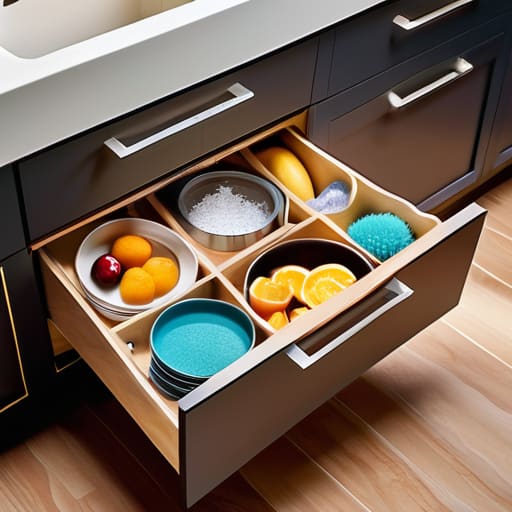
How to Organize the Chaos Under Your Sink
Have you ever stood there, staring into that dark, damp abyss beneath your kitchen faucet, feeling less like a homeowner and more like a victim of your own clutter? We’ve all been there—reaching for a sponge only to have a half-empty bottle of eco-friendly dish soap crash down on our toes, trailing a sticky mess behind it. It’s frustrating because we’re often told that learning how to organize under the sink requires a massive investment in expensive, plastic-heavy modular systems that actually end up adding to our environmental footprint. Honestly, I think that’s a total myth designed to make us spend money we don’t need to spend.
I’m not here to sell you a lifestyle of endless consumerism or a cabinet full of unnecessary gadgets. Instead, I want to share how we can transform that chaotic void into a streamlined, mindful space using what we already have—think repurposed glass jars and clever, resourceful dividers. My goal is to show you that mastering how to organize under the sink is about intentionality, not acquisition. Let’s dive into some practical, low-waste strategies that turn your domestic chaos into a sustainable sanctuary.
Table of Contents
- Kitchen Cabinet Decluttering Tips for a Mindful Home
- Maximizing Small Cabinet Space With Intentional Design
- Five Eco-Conscious Strategies for a Streamlined Sink Space
- Small Shifts, Big Impact: My Top Three Takeaways
- The Philosophy of the Small Space
- Small Changes, Big Ripples
- Frequently Asked Questions
Kitchen Cabinet Decluttering Tips for a Mindful Home
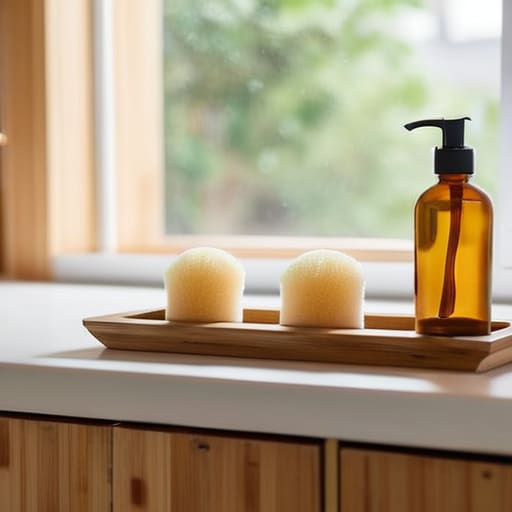
Before we dive into the physical rearranging, we need to address the mental clutter. I’ve found that the most effective kitchen cabinet decluttering tips actually start with a bit of honest reflection. Empty everything out—yes, everything—and take a moment to look at what you’ve accumulated. Are those half-empty bottles of harsh chemical cleaners actually serving you, or are they just taking up space? I like to ask myself if a product aligns with my commitment to a toxin-free home. If it’s past its prime or doesn’t fit your sustainable lifestyle, let it go. It’s about making room for intentionality rather than just filling voids.
Once you’ve cleared the excess, it’s time to think about flow. Instead of just stacking bottles haphazardly, consider how you can implement smart cleaning supply storage solutions that make sense for your daily rhythm. I’m a huge fan of using tiered trays or even small baskets to group similar items together. This prevents that dreaded “avalanche” effect when you reach for a sponge. By creating designated zones, you aren’t just tidying up; you’re designing a system that respects both your time and your environment.
Maximizing Small Cabinet Space With Intentional Design
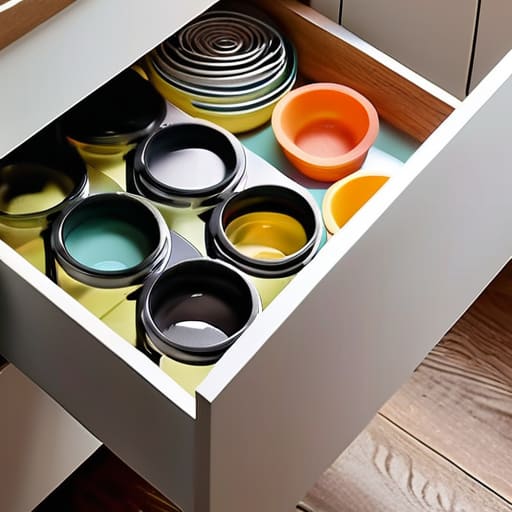
When we’re working with limited square footage, the secret isn’t just about shoving things in; it’s about visualizing the flow. I’ve found that the most effective way to approach maximizing small cabinet space is to think vertically. Instead of letting everything pile up in a mountain of half-empty bottles, I love using tiered shelving or stackable bins. This simple shift ensures that every item has a dedicated “home,” preventing that dreaded cabinet avalanche every time you reach for the dish soap.
To really level up your setup, I highly recommend investing in some under sink pull out organizers. These are absolute game-changers for those deep, dark corners that usually become a graveyard for forgotten sponges. By bringing the items to you, you eliminate the need to dig through clutter, which makes maintaining your sanctuary so much easier. If you’re dealing with a high-moisture area, pairing these organizers with some beautiful waterproof cabinet liners adds an extra layer of protection. It’s these small, intentional design choices that turn a cramped utility space into a streamlined, functional part of your mindful home.
Five Eco-Conscious Strategies for a Streamlined Sink Space
- Embrace the beauty of repurposed glass; instead of buying new plastic bins, wash out those old pasta sauce or jam jars to hold sponges, scrubbers, or small cleaning tools.
- Go vertical with sustainable bamboo tiered organizers to make use of the height in your cabinet, ensuring you aren’t just stacking items in a way that creates more hidden clutter.
- Curate a “green” cleaning kit by grouping your natural essentials—like white vinegar, baking soda, and essential oils—into a single, easy-to-reach caddy to minimize unnecessary movement.
- Utilize tension rods to hang spray bottles by their triggers, freeing up precious floor space and keeping your most-used eco-friendly cleaners front and center.
- Implement a “one-in, one-out” rule for your cleaning supplies to prevent the slow creep of plastic waste, ensuring you only keep the products that truly serve your mindful home.
Small Shifts, Big Impact: My Top Three Takeaways
Remember that organization isn’t just about tidiness; it’s about creating a mindful space where every repurposed jar and sustainable tool serves a purpose in your eco-conscious journey.
Don’t fear the declutter—by letting go of single-use plastics and unnecessary clutter under the sink, you’re making room for a more intentional, low-waste lifestyle.
Think vertically and creatively; using small, modular organizers or even DIY sea glass-inspired accents can turn a cramped cabinet into a beautiful, functional sanctuary.
The Philosophy of the Small Space
“Organizing the space beneath your sink isn’t just about tidying up cleaning supplies; it’s about reclaiming a small corner of your home to reflect the intentional, low-waste lifestyle you’re building every single day.”
Jordan Mitchell
Small Changes, Big Ripples
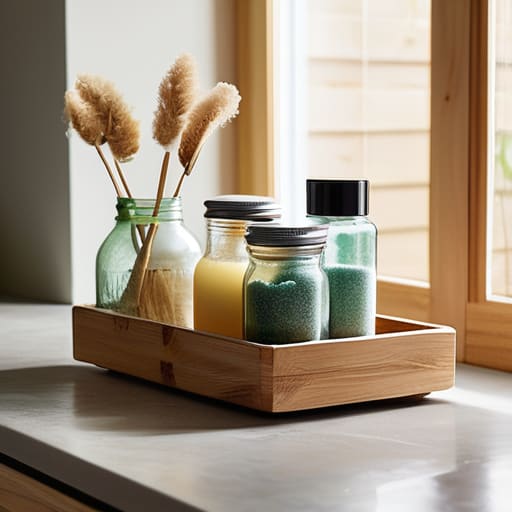
As we wrap up this journey of transforming that cluttered under-sink space, I hope you feel more equipped to tackle the chaos. We’ve explored how intentional decluttering, maximizing every inch with smart design, and choosing sustainable organizers can turn a stressful corner of your kitchen into a streamlined, functional zone. Remember, it isn’t just about finding a place for every sponge and spray bottle; it’s about curating a space that supports your daily flow rather than hindering it. By choosing repurposed glass jars or bamboo dividers over cheap, single-use plastic bins, you are making a conscious decision to align your home environment with your values.
At the end of the day, organizing your home is a beautiful form of mindfulness. It’s a way to honor the space you inhabit and the resources we all share. While a tidy cabinet might seem like a small victory, these intentional micro-habits are the building blocks of a more sustainable lifestyle. Just like the sea glass I find on the Maine coast—once jagged and discarded, now smoothed and beautiful by time and tide—our daily habits can be refined into something truly meaningful. So, take that first step, embrace the process, and remember that every small, eco-conscious choice counts toward a brighter, greener future for us all.
Frequently Asked Questions
What are some eco-friendly ways to store cleaning supplies without relying on new plastic organizers?
Instead of hitting “buy now” on those plastic bins, let’s look to what we already have. I love repurposing old glass jars—think mason jars or even sturdy glass pasta sauce containers—to hold sponges or brushes. For larger bottles, upcycled wooden crates or even sturdy wicker baskets from a local thrift shop add a beautiful, organic touch. It’s about finding beauty in the repurposed, turning your cleaning supplies into a curated, zero-waste collection.
How can I safely organize heavy or liquid items to prevent leaks and keep my cabinet floor dry?
When it comes to those heavy detergent bottles or liquid cleaners, I’ve learned that stability is everything. I like to nestle heavy items on the lowest shelf to keep the center of gravity low. To prevent those dreaded leaks from ruining your cabinet, grab some repurposed silicone mats or even a tray made from reclaimed wood. It catches any accidental drips instantly, keeping your sanctuary dry and making cleanup a breeze rather than a chore.
Are there specific ways to categorize items so I can find what I need quickly without constantly digging through the clutter?
Think of your cabinet like a well-tended garden; everything needs its own little patch to thrive. Instead of a jumble, try grouping by “activity zones.” Keep all your eco-friendly dish soaps and scrubbers in one reclaimed wooden crate, and tuck your biodegradable cleaning sprays into another. By categorizing items into these functional clusters—cleaning essentials, sponge replacements, and refill pouches—you stop the frantic digging and start moving with intention. It’s about flow, not just storage.
