How to Reduce Sugar Without Feeling Deprived
I remember sitting in my small kitchen back in Maine, staring at a mountain of “healthy” granola bars that were essentially just glorified candy bars in disguise. I felt so defeated, thinking that every single step toward how to reduce sugar required a complete lifestyle overhaul or a cabinet full of expensive, processed “superfood” replacements that cost more than my monthly rent. It felt like the wellness industry was trying to sell me a solution that was just as artificial as the problem itself, leaving me more exhausted than when I started.
I’m not here to peddle you some complicated, high-priced detox regime or tell you to live on nothing but kale and willpower. Instead, I want to share the practical, small shifts I’ve learned through trial, error, and a lot of digital research that actually stick. We’re going to look at how to navigate the modern food landscape with a bit of intentional wisdom, focusing on real-world swaps that respect your time and your budget. Let’s strip away the hype and find a way to nourish your body that feels as natural as the tide coming in.
Table of Contents
Uncovering Hidden Sugars in Processed Foods
Navigating the grocery aisles can sometimes feel like trying to read the shifting currents of the Atlantic—it’s easy to get lost if you aren’t looking closely at what’s beneath the surface. Most of us reach for a “healthy” granola bar or a flavored yogurt, only to realize later that we’ve essentially eaten a dessert. This is the sneaky reality of hidden sugars in processed foods; manufacturers often use a dizzying array of aliases like maltodextrin, barley malt, or agave nectar to mask the sheer volume of sweetness tucked away in your pantry.
To truly master your nutrition, you have to become a bit of a detective. I’ve learned that the best way to avoid those mid-afternoon crashes is to prioritize low glycemic index foods that provide steady, reliable energy rather than a frantic burst followed by a slump. Instead of letting marketing jargon dictate your cart, try flipping the package over. When you start recognizing these deceptive labels, you aren’t just reading an ingredient list—you’re reclaiming control over your body’s rhythm and learning the real secret to managing blood sugar spikes with intention.
Managing Blood Sugar Spikes With Grace

Once you’ve started identifying those sneaky additives, the next step isn’t about restriction—it’s about rhythm. Think of your blood sugar like the tides in my hometown; it shouldn’t be a violent surge that leaves you crashing, but a steady, predictable flow. When we consume refined carbs or sweets on an empty stomach, we trigger a massive spike followed by an inevitable, energy-draining dip. Managing blood sugar spikes is really about smoothing out those waves so your internal ecosystem stays balanced and resilient.
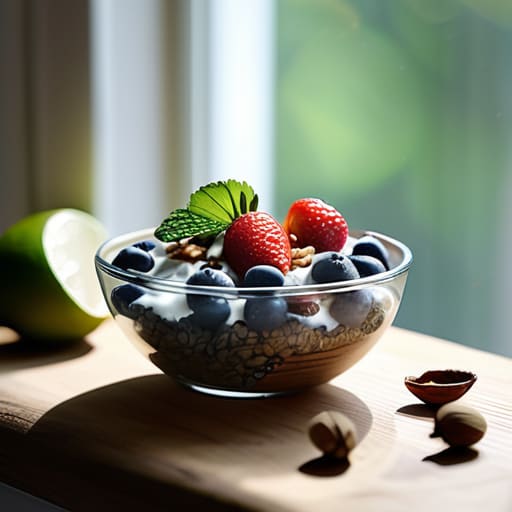
One of the most effective ways to achieve this stability is by leaning into low glycemic index foods. Instead of reaching for a quick hit of glucose, try pairing your carbohydrates with healthy fats or proteins. This creates a “buffer” that slows down digestion, preventing that frantic roller coaster effect. If you’re looking for healthy snack alternatives during those mid-afternoon slumps, reach for a handful of almonds or some Greek yogurt with berries. It’s a small, intentional way to nourish your body without the chaotic highs and lows, keeping your energy as steady as a calm morning on the coast.
Small, Intentional Shifts: Five Ways to Reclaim Your Natural Sweetness
- Reconnect with Whole Foods: Think of your grocery list like a tide pool—the clearest, most vibrant life is found in things that are minimally processed. Instead of reaching for a packaged snack, try a handful of berries or a crisp apple; you’re getting sweetness paired with the fiber your body actually knows how to handle.
- Master the Art of the Infusion: You don’t need a sugary soda to feel refreshed. I’ve found that infusing a glass pitcher with cucumber, mint, or even a few slices of citrus feels like a luxury ritual, turning hydration into a sensory experience rather than a chore.
- Read Between the Lines: Labels can be deceptive, much like a foggy morning on the coast. Don’t just look for “sugar”; keep an eye out for those sneaky aliases like maltodextrin or high fructose corn syrup that often hide in savory sauces and dressings.
- Embrace the Slow Transition: We don’t need to overhaul our lives overnight. If you love your morning coffee with two sugars, try dropping to one for a week. It’s about gentle, sustainable progress rather than a jarring shock to your system.
- Curate Your Environment: Just as I carefully select sea glass for my projects, be intentional about what you keep in your pantry. If the tempting, high-sugar treats aren’t staring you down from the kitchen counter, you’ll find it much easier to honor the choices you’ve made.
Embracing the Sweetness of Intentional Living
Think of your pantry like a coastal ecosystem; by swapping highly processed, sugar-laden snacks for whole, earth-grown foods, you’re essentially weeding out the invasive species to let your natural vitality thrive.
Instead of viewing sugar reduction as a restrictive diet, see it as a mindful curation of your energy—choosing complex carbohydrates and fiber is like building a sturdy sea wall that protects you from those sudden, draining glucose crashes.
Small, consistent shifts are your greatest tool for long-term change; just as a single piece of sea glass is shaped by time and patience, your relationship with sweetness will evolve most beautifully through steady, gentle adjustments rather than drastic, unsustainable leaps.
<small>A Shift in Perspective</small>
“Think of reducing sugar not as a restrictive diet, but as a way of clearing the silt from a coastal stream—once you remove the heavy, artificial sweetness, you finally allow your body’s true, natural rhythm to flow clearly again.”
Jordan Mitchell
Finding Your Natural Rhythm
As we wrap up this journey, I want you to remember that reducing sugar isn’t about deprivation or following a rigid set of rules; it’s about reclaiming your sense of balance. We’ve looked at how to navigate the maze of processed foods and how to steady those energy spikes that leave you feeling depleted. By becoming more mindful of what’s hidden in your pantry and learning to pair your nutrients more effectively, you are essentially clearing away the clutter to let your body’s natural vitality shine through. It’s a process of unlearning old habits and replacing them with intentional, nourishing choices that respect your long-term well-being.
Think of this shift much like the way the tide slowly reshapes the coastline—it doesn’t happen all at once, but through consistent, gentle movements. Don’t let the pressure of perfection weigh you down; if you slip up with a sugary treat, just view it as a single grain of sand rather than a storm. Focus instead on the cumulative impact of your daily decisions. Every time you choose whole foods over processed ones, you are casting a vote for a healthier version of yourself and a more sustainable way of living. Trust the process, stay patient with yourself, and remember that small, steady ripples eventually create the most profound waves of change.
Frequently Asked Questions
If I’m cutting back on processed sugars, what are some natural, whole-food ways to satisfy a sweet tooth without crashing my energy levels?
Think of it like finding a piece of perfectly smoothed sea glass—it’s about finding that natural beauty in simplicity. Instead of the quick spike of refined sugar, reach for nature’s slow-release energy. Berries, especially blueberries, offer a gentle sweetness paired with fiber, while a few dates stuffed with almond butter can satisfy a craving beautifully. These whole foods work with your body’s rhythm, providing sustained joy without that inevitable, draining crash.
How can I navigate social situations, like dinners with friends or office celebrations, without feeling like I'm missing out or being difficult?
Navigating social gatherings is less about restriction and more about intentional presence. I like to think of it like tending to a garden; you focus on what nourishes you rather than what disrupts the balance. Before heading out, I find a little ritual of eating a protein-rich snack helps keep my cravings steady. If you’re at a party, focus on the connection and the laughter—the real “sweetness” of the night. Choose one mindful treat, savor it fully, and let the conversation be your main course.
Are there specific sustainable or eco-friendly alternatives to common sweeteners that don't come in excessive plastic packaging?
I’m a huge fan of switching to bulk-buy options, like glass-jarred raw honey or maple syrup from local producers—it cuts out that mountain of single-use plastic. If you’re looking for something more versatile, try sourcing stevia leaves or monk fruit from zero-waste shops where you can use your own containers. It’s much like my sea glass collecting; finding beauty in what’s already here and minimizing waste makes the whole process feel so much more intentional.
