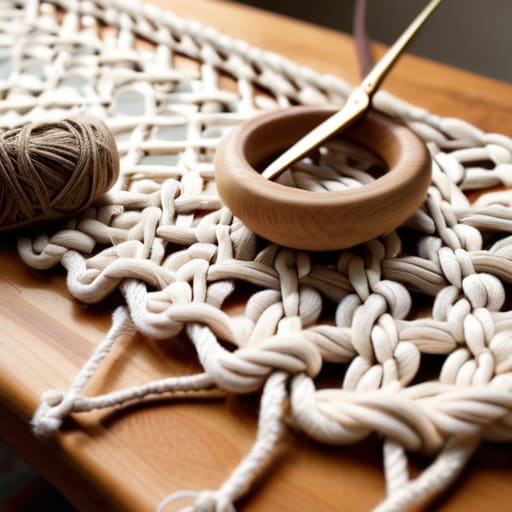
Macramé for Beginners: Your First Wall Hanging
I remember sitting on my floor last autumn, surrounded by a chaotic tangle of synthetic, plastic-based cords that felt more like a mess than a masterpiece. I had picked up a trendy tutorial thinking it would be my new way to decompress, but instead, I felt completely disconnected from the craft. Most people will tell you that you need an expensive studio of specialized tools to start, but the truth is that macrame for beginners is actually about stripping things back to the basics. It’s not about perfection or high-end gear; it’s about the rhythmic, meditative connection between your hands and natural, earth-friendly fibers.
In this guide, I’m stripping away the fluff and the intimidating jargon to show you how to create something truly beautiful. We’re going to focus on selecting the right organic materials and mastering those foundational knots that serve as the heartbeat of every design. You won’t find any overwhelming, complex patterns here—just honest, practical steps designed to help you build confidence. By the time we’re done, you’ll be crafting intentional, sustainable pieces that bring a touch of nature-inspired calm into your own home.
Table of Contents
- Step-by-Step Instructions
- Curating Your Kit Essential Macrame Supplies and Sustainable Cord Types
- The First Stitch Mastering Your Square Knot Tutorial and Pattern Basics
- Mindful Making: 5 Pro-Tips for Your Macrame Journey
- Embracing the Rhythm of Sustainable Crafting
- ## The Rhythm of the Knot
- Weaving Your Own Sustainable Story
- Frequently Asked Questions
Guide Overview
Tools & Supplies
- Scissors for cutting cord
- Measuring tape for length accuracy
- S-hooks or command hooks for hanging projects
- Cotton macrame cord (3mm or 4mm) 1 roll
- Wooden dowel or ring 1 piece
- Masking tape to secure cord ends
Step-by-Step Instructions
- 1. First, let’s gather our materials with intention. Instead of reaching for synthetic fibers, I highly recommend sourcing some organic cotton cord—it feels much more grounded under your hands and is far kinder to our planet. You’ll also need a sturdy wooden dowel (reclaimed wood is a personal favorite of mine!), a pair of sharp scissors, and some masking tape to hold your workspace steady while you work your magic.
- 2. Once you have your supplies, find a comfortable spot with plenty of natural light. Secure your wooden dowel to a wall or a stand, and begin by cutting your cords. A good rule of thumb for beginners is to cut pieces about four to five times longer than your desired finished project; it might feel like a lot of cord at first, but you’ll want that extra length to account for all the beautiful knotting to come.
- 3. Now, we’ll create the foundation by attaching your cords to the dowel using a Lark’s Head knot. Simply fold a cord in half, loop the folded end over the dowel, and pull the two loose ends through that loop. Repeat this with each cord until they are all hanging evenly; this creates a beautiful, rhythmic starting point that feels almost as soothing as the tide coming in.
- 4. Let’s dive into our first real pattern: the Square Knot. This is the heartbeat of macrame. Take four cords, leaving two in the center as your “core” and using the two outer cords to do the work. Cross the left cord over the core to form a shape like the number four, tuck the right cord under the core and up through the loop on the left. Tighten it gently to ensure it’s secure but not so tight that it loses its organic flow.
- 5. To add some visual texture, try alternating your knots to create a “Spiral Stitch.” Instead of switching sides for every knot, keep using the same cord (the one on the left) to wrap around your core. You’ll notice the cord begins to naturally twist into a beautiful, DNA-like spiral. It’s a tiny bit of mathematical magic that looks incredibly sophisticated with very little effort.
- 6. As you move through your piece, don’t be afraid to pause and reflect on the texture you’re creating. If a knot feels a little wonky, don’t sweat it—that’s where the soul of handmade items truly lives. I always say that a slight imperfection is just a reminder that a human, not a machine, poured their energy into this piece.
- 7. Finally, once you’ve reached the length you desire, it’s time for the most satisfying part: the trim. Lay your piece flat and use your scissors to cut the bottom cords into a clean, even line, or perhaps a soft V-shape for a more bohemian vibe. I love leaving a bit of long, flowing fringe at the bottom to catch the light and add a sense of movement to the room.
Curating Your Kit Essential Macrame Supplies and Sustainable Cord Types
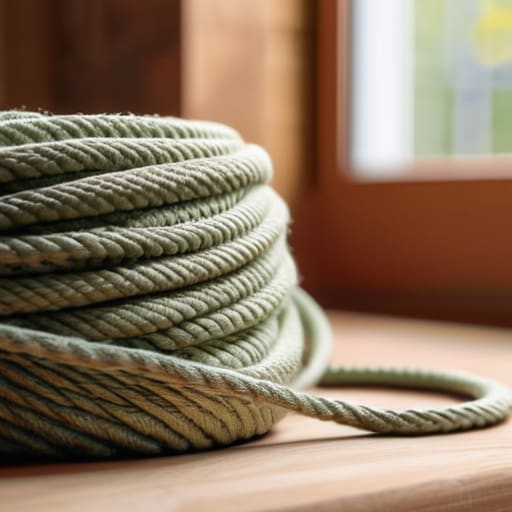
Before you dive into your first knot, let’s talk about the tactile heart of your craft: the cord. Choosing between various macrame cord types and weights can feel a bit overwhelming at first, but I like to think of it as choosing the right companion for your creative journey. For a classic, sturdy feel, a 4mm or 5mm cotton cord is my go-to. However, since we’re all about intentionality here, I always encourage looking for GOTS-certified organic cotton or even recycled textile cords. Not only do they feel incredible in your hands, but they also ensure your new hobby leaves a lighter footprint on our beautiful planet.
Beyond the cord, gathering your essential macrame supplies is where the magic starts to feel real. You’ll want a pair of sharp, high-quality shears—nothing ruins the flow like a jagged edge—and a sturdy wooden dowel or a piece of driftwood I’ve found during my coastal walks to act as your base. If you’re working on a beginner macrame wall hanging project, having a few wooden beads made from reclaimed timber can add that perfect touch of organic texture. Setting up your space with these mindful tools transforms a simple craft into a truly restorative ritual.
The First Stitch Mastering Your Square Knot Tutorial and Pattern Basics
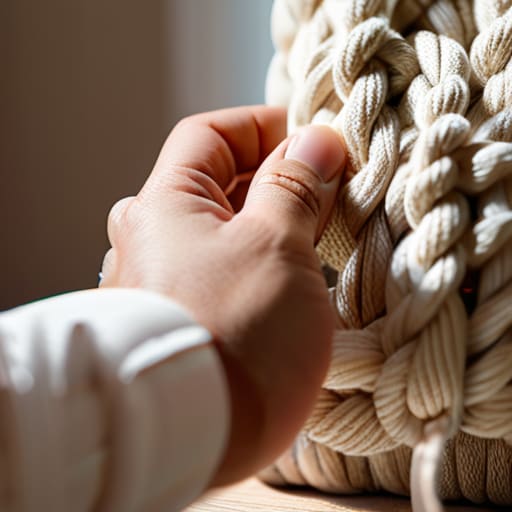
Now that you’ve gathered your materials, it’s time to actually get your hands in the cord. I remember my first attempt at a square knot tutorial; my fingers felt incredibly clumsy, and I was convinced I’d never get the tension right. But here is the secret: don’t aim for perfection on your first go. Instead, focus on the rhythm. As you loop the cords, try to feel the tension in your hands. If one knot feels tighter than the rest, don’t sweat it. It’s all part of the learning curve, and honestly, those tiny imperfections are what give a handmade piece its soul.
Once you feel comfortable with the repetitive motion, you can start to explore more complex macrame pattern basics. This is where the magic happens—transforming simple strands into intricate textures. As you progress through your first beginner macrame wall hanging project, pay close attention to how different knots change the drape of your piece. If you find yourself finishing a section and wanting a more bohemian, organic look, I love learning how to fringe macrame cord to soften the edges. It’s a beautiful way to add that effortless, coastal Maine vibe to your finished work.
Mindful Making: 5 Pro-Tips for Your Macrame Journey
- Embrace the imperfection. Your first few knots might look a little wonky, and honestly? That’s where the soul of the piece lives. Don’t aim for factory-made precision; aim for the rhythmic, intentional movement of your hands.
- Watch your tension, but don’t overthink it. I used to pull my cords so tight my fingers would ache, but I’ve learned that a gentle, consistent touch creates a much more organic flow. Think of it as a conversation between you and the fiber.
- Work in a well-lit, dedicated space. I love setting up a small nook near a window where the natural light hits my workspace. It helps you see the texture of the cord clearly and keeps the process feeling like a meditative escape rather than a chore.
- Don’t be afraid to upcycle. Before you rush out to buy new materials, check if you have any leftover scraps from other textile projects. Even mismatched lengths can be woven into a beautiful, eclectic wall hanging that tells its own story.
- Slow down and breathe. If you find yourself getting frustrated with a complex pattern, step away. Grab a cup of tea or head outside for a quick walk. Macrame is a practice of patience, and sometimes the best way to move forward is to simply reset your energy.
Embracing the Rhythm of Sustainable Crafting
Remember that perfection isn’t the goal; it’s about the mindfulness you bring to every knot and the intentional way you choose materials that honor our planet.
Start small and stay curious—mastering a single knot like the square knot is the foundation for a lifetime of creating beautiful, eco-friendly art.
Let your creativity be guided by your values, using sustainable cords and repurposed elements to ensure your new hobby leaves a positive footprint on the world.
## The Rhythm of the Knot
“Macrame isn’t just about learning a sequence of knots; it’s about finding a rhythmic, meditative connection between your hands and the natural fibers you hold. When you start, don’t worry about perfection—focus on the intention behind every loop, and let the beauty of the craft unfold one mindful stitch at a time.”
Jordan Mitchell
Weaving Your Own Sustainable Story
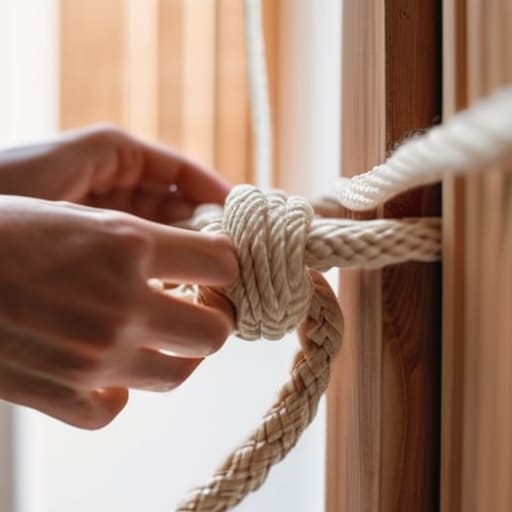
As you wrap up your first few projects, take a moment to appreciate how far you’ve come. We’ve journeyed from selecting the right organic fibers to mastering that foundational square knot, transforming a simple length of cord into something tangible and beautiful. Remember, the goal isn’t immediate perfection; it’s about the intentional rhythm of the craft and the mindful way you choose your materials. By opting for sustainable cords and recycled textiles, you aren’t just making decor—you are actively participating in a more resourceful way of living that honors our planet with every knot you tie.
Beyond the aesthetics of a finished wall hanging, I hope you carry this sense of creativity into your everyday life. Macrame is more than just a hobby; it is a practice of patience and a reminder that we have the power to shape our environment through our own hands. Whether you’re hanging a plant holder in a sunlit corner or experimenting with new patterns, let each stitch be a small victory for both your soul and the earth. Keep exploring, keep creating, and never forget that small, mindful actions are the threads that weave together a much brighter, greener future for us all.
Frequently Asked Questions
I’m loving the idea of using organic cotton, but how do I know if a cord is truly sustainably sourced versus just being marketed that way?
That’s such a sharp question, and honestly, it’s one I ask myself every time I’m sourcing materials. Greenwashing is real, so don’t just take a label’s word for it. I always look for third-party certifications like GOTS (Global Organic Textile Standard)—it’s the gold standard for ensuring ecological and social responsibility. If you can’t find a certification, check the brand’s transparency page. If they’re vague about their supply chain, my gut tells me to keep looking.
Since I'm working with limited space in my apartment, are there certain macrame projects that are easier to start with if I don't have a huge wooden dowel or a dedicated studio setup?
Living in a compact apartment is actually a blessing in disguise for creativity! You don’t need a massive studio to find your flow. I love starting small with plant hangers—you can easily loop them over a command hook or even a sturdy door handle. Think mini wall hangings or even macrame keychains. They’re perfect for testing your knots on a coffee table without needing a heavy dowel or much elbow room.
How do I prevent my finished pieces from looking messy or uneven if I’m still finding my rhythm with the tension of my knots?
Trust me, I’ve been there—staring at a piece that looks more like a tangled web than a wall hanging. When you’re still finding your rhythm, the trick is to slow down. Try using a piece of masking tape on your workspace to mark consistent lengths, or even better, use a dowel to keep your tension steady. Most importantly, don’t rush the pull; treat every knot as a mindful moment to find your flow.
