
Meditation for Beginners: a Simple 5-minute Start
I remember sitting on a jagged piece of granite back home in Maine, the salt spray stinging my eyes and my mind racing with a thousand digital notifications, feeling like I was failing at the very concept of peace. I had tried those glossy, high-production apps that promised enlightenment for $15 a month, but all they did was make me feel more disconnected from the real world. If you’ve ever felt like you’re doing meditation for beginners all wrong because you can’t stop your brain from spiraling, I want you to know that you aren’t broken. The hype tells us we need perfect silence and expensive cushions, but I’ve learned that true stillness is often found in the messy middle of a chaotic day.
I’m not here to sell you a lifestyle of effortless zen or a mountain of overpriced gear. Instead, I want to offer you a practical, grounded approach to finding your center, much like how I approach my urban beekeeping or a DIY sea glass project. We are going to strip away the fluff and focus on small, intentional rhythms that actually fit into a modern, busy life. My promise to you is a no-nonsense guide built on real experience, helping you turn those frantic mental waves into something steady and sustainable.
Table of Contents
Mastering Mindfulness Meditation Techniques for a Serene Soul

When you’re first starting out, it’s easy to feel like you’re doing something wrong if your mind starts racing toward your to-do list. But here’s a little secret from my own practice: the goal isn’t to silence your thoughts entirely, but rather to observe them without judgment. One of my favorite mindfulness meditation techniques involves treating your thoughts like sea glass washing up on the shore—you notice them, acknowledge their unique shapes, and then let the tide carry them back out to sea. This shift in perspective is one of the most profound meditation benefits for anxiety, allowing you to create a gentle distance between yourself and your stressors.
To ground yourself, I highly recommend incorporating simple meditation breathing exercises into your routine. Try the “box breathing” method: inhale for four counts, hold for four, exhale for four, and hold again. It’s like finding your steady rhythm amidst a crashing wave. If you find your focus drifting, don’t be discouraged. Instead of fighting the distraction, simply gently guide your attention back to the sensation of the air entering your lungs. This small, intentional act of returning is where the real magic happens.
Soothing Meditation Breathing Exercises to Anchor Your Spirit

When my mind starts racing like a storm hitting the Maine coast, I’ve found that the quickest way to find center is to return to the most fundamental rhythm we possess: the breath. Think of meditation breathing exercises not as a chore, but as a way to anchor your spirit when the world feels a bit too loud. One of my favorite methods is the “Box Breathing” technique. You inhale for a count of four, hold for four, exhale for four, and hold again for four. It’s a simple, rhythmic cycle that acts like a stabilizer for your nervous system, helping you find that much-needed equilibrium amidst the daily chaos.
If you find your thoughts wandering—which, trust me, happens to the best of us—don’t get discouraged. Instead of fighting the mental noise, try focusing on the physical sensation of air entering your lungs. This shift in attention is one of the most effective meditation benefits for anxiety, as it pulls your awareness away from future worries and back into the present moment. Just like tending to my urban beehives requires patience and a steady hand, mastering your breath requires a gentle, consistent approach rather than force.
Small Ripples: Five Gentle Ways to Anchor Your Practice
- Start with the “Micro-Moment” approach. Don’t feel pressured to sit for thirty minutes straight; instead, try just three minutes of intentional stillness while your morning coffee brews. Think of it like planting a single seed—it’s much easier to nurture than a whole forest all at once.
- Create a dedicated “Eco-Sanctuary.” You don’t need a fancy meditation room, just a small, consistent corner of your home. Maybe it’s near a window where you can see the sky, or even just a specific chair. Associating a physical space with your practice helps your brain transition into a calm state more naturally.
- Use nature as your mental compass. If your mind starts racing with to-do lists, try to redirect your focus to a natural rhythm, like the sound of wind through the trees or the steady cadence of your own breath. It’s much like watching the tide come in—it happens at its own pace, and you’re just there to witness it.
- Embrace the “Wandering Mind” without judgment. Your thoughts will drift—it’s what humans do. When you realize you’ve been daydreaming about work, don’t beat yourself up. Just acknowledge the thought, let it pass like a cloud over the Maine coast, and gently bring your attention back to the present.
- Integrate sensory anchors. I love using small, tactile objects to ground myself. Keep a smooth piece of sea glass or a textured stone nearby. When you feel your focus slipping, the simple sensation of its weight and coolness in your palm can act as a physical tether to the here and now.
Small Steps Toward a Quieter Mind
Remember that mindfulness isn’t about achieving perfection or silencing your thoughts entirely; it’s about gently returning to the present moment, much like how the tide eventually finds its way back to the shore.
Use your breath as a natural anchor; by focusing on the steady rhythm of your inhales and exhales, you create a personal sanctuary of stillness that you can carry with you into even the most chaotic urban environments.
Approach your practice with the same patience you’d give to a new garden—consistency and small, intentional daily moments are far more transformative than occasional, intense efforts.
Finding Your Natural Rhythm
“Don’t think of meditation as a chore or a complex ritual; think of it like tending to a small coastal garden. It’s simply the act of showing up, being still, and allowing your inner landscape to settle, one quiet, intentional breath at a time.”
Jordan Mitchell
Embracing the Quiet Rhythm
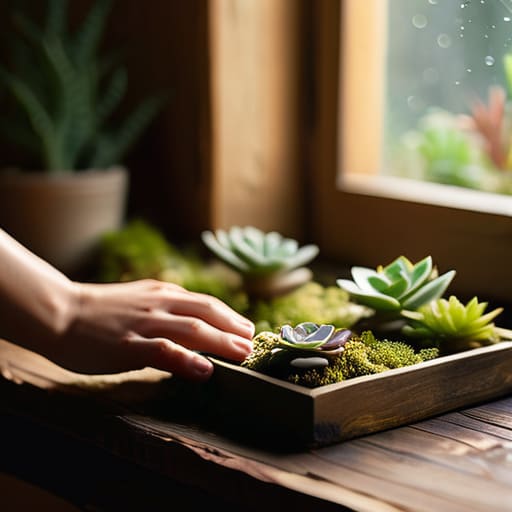
As we wrap up this journey into the stillness, I hope you see that meditation isn’t about achieving some impossible state of perfection or silencing every single thought in your head. It’s really about the small, intentional shifts we’ve explored—from mastering those gentle mindfulness techniques to using rhythmic breathing as an anchor when the world feels a bit too loud. Just like tending to a new garden or carefully arranging pieces of sea glass, these practices require patience and consistency rather than immediate, sweeping results. By integrating these simple tools into your daily routine, you are building a foundation of mental resilience that stays with you long after you’ve opened your eyes.
Ultimately, I want you to remember that your mindfulness practice is a personal evolution, not a race to a finish line. There will be days when your mind feels as turbulent as a Maine coastline during a storm, and that is perfectly okay. The goal isn’t to avoid the waves, but to learn how to ride them with grace. Every single moment you choose to return to your breath is a victory for your well-being and a step toward a more intentional, balanced life. So, take a deep breath, be kind to yourself, and trust that even the smallest moments of stillness can create a lasting ripple effect of peace within your soul.
Frequently Asked Questions
I can never seem to sit still for more than two minutes; is it okay to keep moving or should I force myself to stay frozen?
Honestly, please don’t feel like you have to sit frozen like a statue. I used to think meditation meant being perfectly still, but it’s more about presence than posture. If your mind or body is restless, try “walking meditation” or even gentle stretching. Think of it like the tide; it’s constantly moving, yet it remains rhythmic and centered. Movement can actually be your anchor rather than your distraction. Listen to your rhythm.
Do I really need a quiet, dedicated space to practice, or can I find these moments of stillness during a busy workday?
Honestly, you don’t need a dedicated zen den to find your center. While a quiet corner is lovely, I often find my best moments of stillness right in the middle of a chaotic workday. Think of it like finding a piece of smooth sea glass amidst a rocky tide; you can carve out a micro-moment of peace anywhere. Even a five-minute seated reset at your desk can be a powerful, intentional anchor.
How will I know if my meditation is actually "working" or if I'm just sitting there with a wandering mind?
It’s easy to feel like you’re just failing at sitting still, but here’s a secret: noticing your mind has wandered is the win. That moment of realization? That’s mindfulness in action. Don’t look for a sudden state of Zen; look for subtle shifts, like a slightly calmer response to a stressful email or feeling more grounded during a morning walk. It’s a slow tide, not a sudden wave, but it’s definitely coming in.
