
Self-care Ideas That Don’t Cost a Thing
Lately, I’ve noticed a restless hum in the digital world, a sort of collective burnout that feels a lot like a coastline being eroded by a relentless storm. We spend so much time pouring our energy into our careers, our social feeds, and our endless to-do lists that we often forget to tend to our own internal ecosystems. It’s easy to fall into the trap of thinking that wellness requires a massive, expensive overhaul, but I’ve found that the most effective self care ideas are often the ones that mirror the quiet, steady rhythms of nature. If we don’t find ways to pause and recalibrate, we risk losing that inner spark that drives our passion for the things we love.
In this post, I want to move away from the superficial and dive into rituals that actually nourish the soul. I’ve curated five intentional practices that blend mindful living with a touch of creative resourcefulness to help you find your center again. From grounding yourself in the tactile beauty of the earth to digital detoxing with purpose, these five points will show you how to reclaim your peace without needing to overhaul your entire lifestyle. Let’s explore how we can nurture ourselves so we can continue to show up fully for the world around us.
Table of Contents
Grounding Through Tactile Creativity
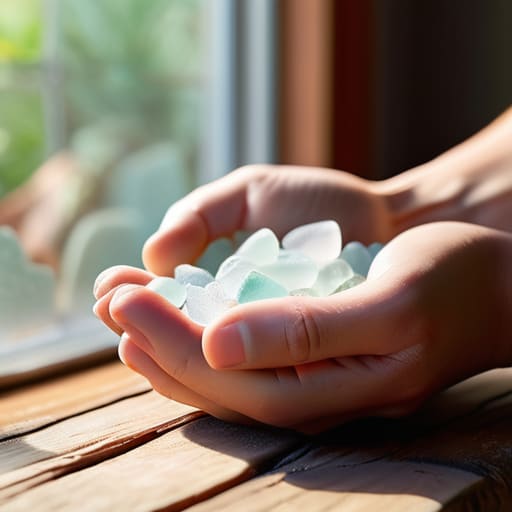
There’s something incredibly healing about getting your hands dirty, whether you’re potting a new fern or working with reclaimed materials. I often find that when my mind is racing with digital deadlines, the best remedy is to pivot toward a tactile hobby that requires my full presence. Last week, I spent an entire afternoon sorting through a new batch of sea glass I found on the coast, feeling the smooth, frosted edges against my palms. It’s a simple act, but it pulls you right out of your head and back into your body.
Cultivating a Micro-Sanctuary
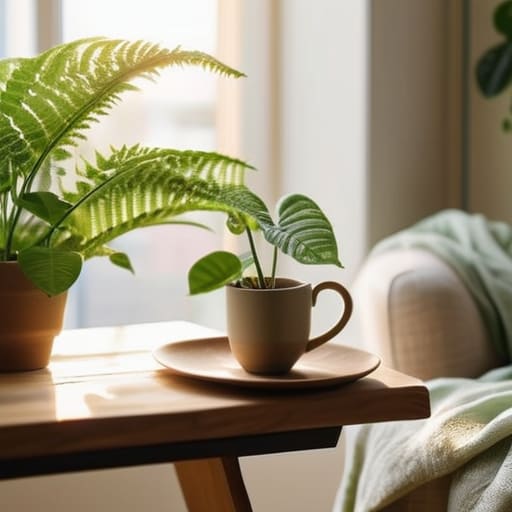
We often think of nature as something we have to travel to—a distant forest or a sweeping coastline—but I’ve learned that you can bring that restorative energy right into your living room. Even if you’re living in a compact urban apartment, creating a small green corner can shift the entire energy of your space. I started with just a single pothos plant on my desk, and now my apartment feels less like a concrete box and more like a living, breathing ecosystem.
Digital Detox and the Analog Hour

As someone who spends a significant portion of my day navigating digital platforms, I know how easy it is to feel “plugged in” until your brain feels like it’s buzzing with static. I’ve made it a personal rule to implement an analog hour every evening, where all screens are banished in favor of something tangible. This might mean reading a physical book, journaling with a fountain pen, or even just sitting on the balcony watching the light change.
Seasonal Eating as a Sensory Ritual
I’ve always believed that what we put into our bodies is a direct reflection of our relationship with the earth. Instead of viewing meal prep as a chore, I try to approach it as a way to celebrate the seasons. There is a profound sense of satisfaction in cooking a meal centered around ingredients that are currently peaking—think crisp, autumnal root vegetables or the bright, sun-drenched flavors of summer berries.
Mindful Movement in the Open Air
While a gym session has its place, I find that my most restorative movement happens when I am walking among the trees or feeling the wind on my face. There is a specific kind of clarity that comes from rhythmic movement in a natural setting. Whether it’s a brisk hike through a local trail or a slow, observant stroll through a park, moving your body in response to the environment feels far more intuitive than any treadmill ever could.
Cultivating Your Personal Ecosystem
Remember that self-care isn’t a luxury or a one-off event; it’s a continuous practice of tending to your own inner landscape so you have the energy to show up for the planet and your community.
Small, intentional rituals—much like the tiny, incremental changes we make in our sustainable habits—build the resilience needed to weather life’s inevitable storms.
Approach your well-being with the same grace you’d offer a recovering coastline; focus on steady, rhythmic progress rather than expecting instant, perfect transformation.
The Ripple Effect of Rest
“Think of self-care not as an indulgence, but as tending to your own inner ecosystem; just as a coastline needs the ebb and flow of the tides to remain resilient, we need intentional moments of stillness to ensure we have the energy to show up for the planet and each other.”
Jordan Mitchell
Cultivating Your Personal Resilience
As we’ve explored today, self-care isn’t about grand, sweeping gestures or expensive retreats; it’s found in the quiet, intentional rhythms of our daily lives. Whether you are finding solace in the grounding ritual of a morning walk, reconnecting with the earth through mindful gardening, or simply allowing yourself the grace of a digital detox, these moments are vital. By integrating these small practices—much like how a single piece of sea glass is shaped by the steady, patient movement of the tide—you are building a foundation of sustainable wellness. Remember, tending to your own mental and emotional landscape is just as important as tending to the planet we call home.
I want to leave you with this thought: you cannot pour from an empty vessel, nor can you advocate for a healthy world if your own inner ecosystem is depleted. Think of these self-care rituals as investing in your own longevity. Just as we strive to make more conscious, eco-friendly choices for our future, we must make conscious choices for our own well-being today. Start small, be patient with your progress, and allow yourself the space to bloom in your own time. Every bit of nourishment you give yourself ripples outward, creating a more resilient version of you that is ready to face the world with clarity and purpose.
Frequently Asked Questions
How can I incorporate these sustainable self-care rituals into a busy work schedule without feeling overwhelmed?
Think of it like tending to a garden; you don’t plant the whole forest in one afternoon. Instead of overhaul, try “micro-moments.” If you’re swamped, swap a scrolling break for a three-minute breathing ritual or a quick stretch by a window. These tiny, intentional anchors prevent burnout without demanding extra hours. It’s about integrating sustainability into the cracks of your day, making eco-conscious wellness feel like a natural rhythm rather than another chore.
Are there ways to practice self-care that are both budget-friendly and low-impact on the environment?
Absolutely. In fact, I find that the most restorative rituals are often the ones that cost nothing and leave the lightest footprint. Think of it as returning to the basics: a long, mindful walk through a local park, practicing meditation in the fresh air, or even starting a small herb garden on your windowsill. When we strip away the consumerism often tied to “wellness,” we find that true self-care is about reconnecting with the rhythms of the earth.
How do I know if my self-care habits are actually helping my mental well-being or if I'm just going through the motions?
It’s easy to fall into the trap of “performative” self-care—checking off a list just to feel productive. To tell the difference, check your internal tide. Does the ritual leave you feeling grounded and replenished, or does it feel like just another chore on your to-do list? Real self-care should feel like a deep breath after a long hike; it’s about genuine restoration, not just ticking a box to satisfy a digital aesthetic.
