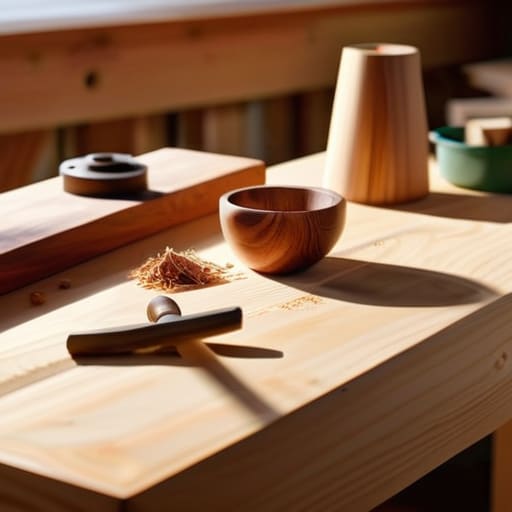
Beginner Woodworking Projects You Can Finish in a Weekend
Have you ever looked at a beautiful, handcrafted piece of furniture and felt a pang of longing, only to realize how disconnected we’ve become from the objects in our own homes? In a world dominated by fast furniture and disposable plastic, there is a profound, quiet power in creating something with your own two hands. I often find that when we choose to build rather than buy, we aren’t just making decor; we are practicing a form of intentional living. However, I know that the jump from admiring a finished product to actually picking up a saw can feel incredibly daunting. That’s exactly why I wanted to demystify the process by curating a selection of beginner woodworking projects that honor both your time and the materials you use.
In this guide, I’m sharing five soulful, approachable projects designed to help you find your rhythm in the workshop without feeling overwhelmed. We’ll move past the intimidating jargon and dive straight into creating pieces that bring a touch of sustainable soul into your living space. By the end of this list, you’ll have the confidence to transform raw, reclaimed timber into meaningful treasures, proving that you don’t need a massive studio to start your journey of craftsmanship.
Table of Contents
The Minimalist Herb Planter
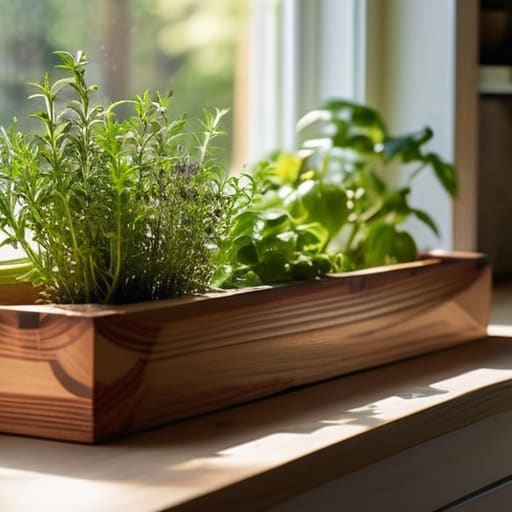
There is something incredibly grounding about growing your own food, even if you only have a tiny windowsill to work with. A simple wooden herb planter is the perfect entry point into woodworking because it focuses on the fundamentals of clean lines and sturdy joinery. I love using reclaimed cedar for these projects; it’s naturally rot-resistant and brings a beautiful, weathered texture that feels right at home in any kitchen.
Rustic Sea Glass Display Frames
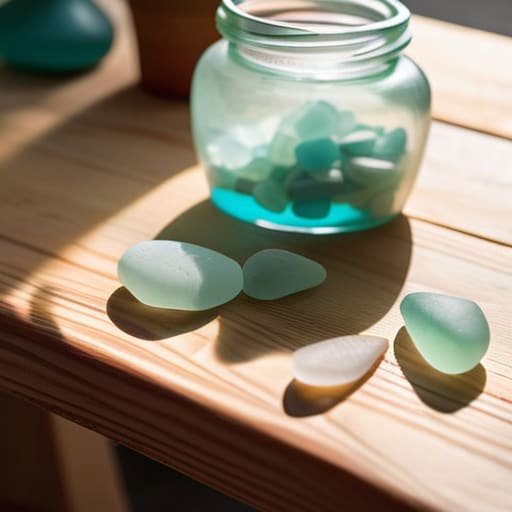
Whenever I take a walk along the Maine coast, I find myself drawn to the treasures the ocean leaves behind. Instead of letting my sea glass collection sit in a jar, I’ve started crafting simple, lightweight frames to showcase these little pieces of history. This project is wonderful for beginners because it doesn’t require complex machinery—just a bit of precision with a hand saw and some eco-friendly wood glue.
The Zero-Waste Coaster Set
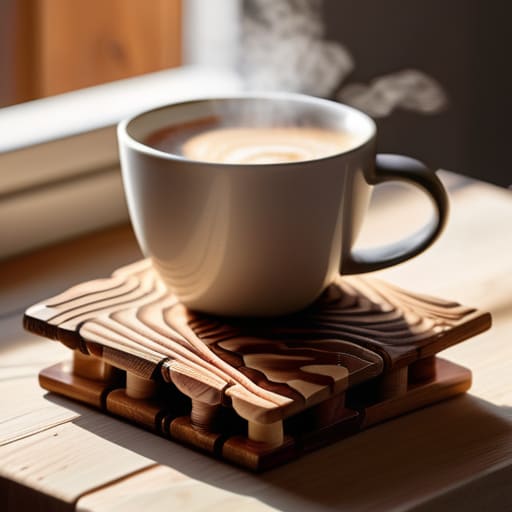
We often overlook the small things, but a beautifully crafted coaster can elevate your entire morning coffee ritual. Making a set of coasters is a fantastic way to practice working with offcuts and scraps that might otherwise end up in the bin. It’s the ultimate lesson in resourcefulness: seeing the potential in what others might consider waste.
Hand-Built Floating Shelves
As our homes evolve, we often find ourselves looking for ways to display our most cherished items without cluttering our living spaces. Floating shelves are a brilliant way to introduce vertical interest while maintaining a clean, modern aesthetic. For a beginner, starting with thick, single planks is a great way to learn about leveling and secure mounting without getting overwhelmed by complex assembly.
The Essential Desktop Organizer
In our digital-heavy world, our physical workspaces can often feel chaotic, making it hard to find a sense of calm. A custom-built desktop organizer allows you to reclaim your space by giving every pen, notebook, and phone a specific home. It’s a project that rewards patience and precision, especially when you’re carving out small compartments to fit your specific tools.
Bringing the Soul of Craft into Your Daily Life
Remember that sustainability isn’t about perfection; it’s about the intention you pour into every piece of wood and every new skill you cultivate.
Start small and stay curious—letting your projects evolve naturally is much more rewarding than rushing toward a complex masterpiece.
Use woodworking as a way to slow down and reconnect, turning simple, eco-friendly materials into meaningful stories within your own home.
The Soul of the Grain
“Woodworking isn’t just about mastering a saw or a sander; it’s about slowing down enough to listen to the story held within the grain, and realizing that every small, handmade piece we bring into our homes is a quiet act of rebellion against a disposable world.”
Jordan Mitchell
From Sawdust to Sustainability
As we wrap up this journey through these initial projects, I hope you see that woodworking is about much more than just joining two pieces of timber together. Whether you were carving out a simple serving tray, assembling a rustic planter, or crafting a minimalist shelf, you’ve taken the first steps toward a more intentional way of living. By choosing reclaimed wood or FSC-certified lumber for these pieces, you aren’t just making furniture; you are actively participating in a cycle of mindful creation that honors the raw materials provided by our planet. Each notch and grain pattern tells a story, and now, your hands are part of that narrative.
I know that starting something new can feel a bit daunting—I still get that same nervous excitement every time I open a new box of hand tools—but remember that perfection is never the goal. The beauty lies in the process and the connection we build with the natural world through our hands. As you move forward from these beginner projects, I encourage you to keep experimenting, keep learning, and most importantly, keep creating with conscience. Every small piece you build is a quiet victory for the environment and a testament to the power of small, purposeful actions. I can’t wait to see what you craft next.
Frequently Asked Questions
What are the most essential, eco-friendly tools I should invest in first to avoid unnecessary waste?
When you’re just starting out, the temptation to buy a massive, plastic-heavy power tool kit is real. Resist it. Instead, focus on a few high-quality, manual essentials: a sturdy Japanese pull saw, a set of precision chisels, and a solid block plane. Investing in well-made hand tools isn’t just about reducing electronic waste; it’s about building a tactile connection to your craft that lasts a lifetime. Buy once, use forever, and let the quality speak for itself.
How can I source sustainable or reclaimed wood for these projects without breaking my budget?
Finding beautiful, ethical wood doesn’t have to drain your bank account. I always start by scouting local construction sites or checking Facebook Marketplace for “free pallet” listings—just ensure they’re heat-treated, not chemically treated. Another favorite of mine is visiting local arborists; they often have stunning offcuts from fallen trees that they’re happy to part with. It’s all about seeing the potential in what others overlook, turning “waste” into something soulful.
Are there specific types of wood that are easier for a complete beginner to work with while still being environmentally responsible?
When you’re just starting out, I always suggest leaning into softwoods like pine or cedar. They’re incredibly forgiving on your tools and much easier to shape while you’re finding your rhythm. To keep it eco-conscious, look for FSC-certified options or, even better, scout local reclaimed sources. There’s something so rewarding about breathing new life into old timber—it adds a layer of history and soul to your work that brand-new lumber just can’t match.
