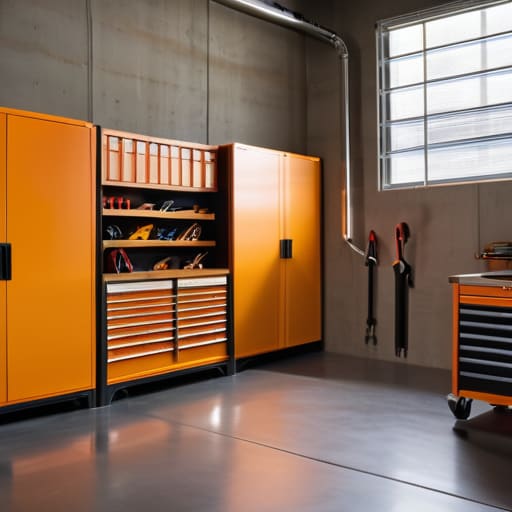
How to Organize Your Garage in a Single Weekend
Ever stared at that mountain of half-empty plastic bins and rusted tools, wondering if you’ve actually lost a battle to your own home? We’ve all been there—standing in the doorway of a cluttered mess, feeling that heavy sense of overwhelm. Most “experts” will tell you that learning how to organize your garage requires a massive budget and a fleet of expensive, heavy-duty shelving units that scream “big-box store consumerism.” But honestly? That’s just more clutter in disguise. I’ve spent too many weekends tripping over unnecessary gadgets when I was just looking for a single screwdriver, and I know that true order shouldn’t come at the cost of your wallet or our planet.
I’m not here to sell you on a lifestyle of endless buying; I’m here to help you find intentional calm amidst the chaos. In this guide, I’m sharing my personal, no-nonsense roadmap for reclaiming your space using resourceful, eco-friendly strategies that actually stick. We’re going to skip the flashy, disposable trends and focus on sustainable systems that honor your home and make your space feel like a sanctuary again. Let’s turn that garage from a storage graveyard into a functional, beautiful part of your life.
Table of Contents
- A Mindful Garage Decluttering Checklist for Every Season
- Maximizing Small Garage Space With Purposeful Minimalist Design
- Five Intentional Shifts for a More Sustainable Garage
- Embracing the Intentional Garage: My Three Golden Rules
- The Philosophy of Space
- From Chaos to Coastal Calm: Your Journey Starts Now
- Frequently Asked Questions
A Mindful Garage Decluttering Checklist for Every Season
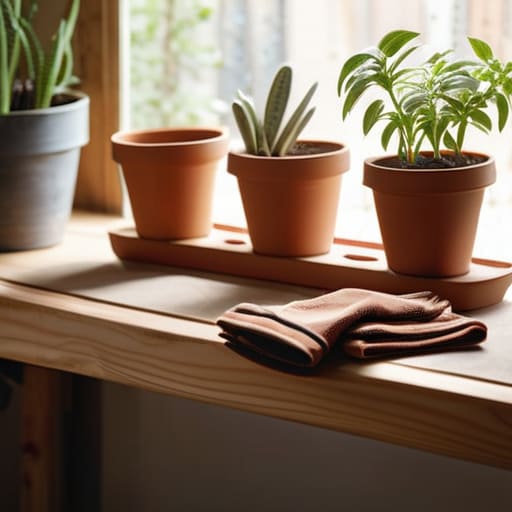
Instead of viewing decluttering as a grueling once-a-year chore, I like to approach it like the changing tides back in Maine—a rhythmic, seasonal shift that keeps things flowing. For spring, focus on the “outdoor transition.” This is the perfect time to audit your gardening tools and seasonal gear. I highly recommend creating a personalized garage decluttering checklist that prioritizes items you haven’t touched in twelve months. If those old plastic planters or rusted trowels aren’t serving you, it’s time to donate them or find a way to upcycle them.
As summer heat settles in, pivot your focus toward maximizing small garage space by looking up. This is when you should evaluate your wall mounted storage solutions to clear the floor of lingering summer clutter. By moving bikes, sports equipment, or even my latest sea glass DIY supplies onto the walls, you reclaim that precious square footage. Treating your garage as a living, breathing extension of your home—rather than a graveyard for forgotten things—allows you to maintain a sense of coastal calm all year long.
Maximizing Small Garage Space With Purposeful Minimalist Design
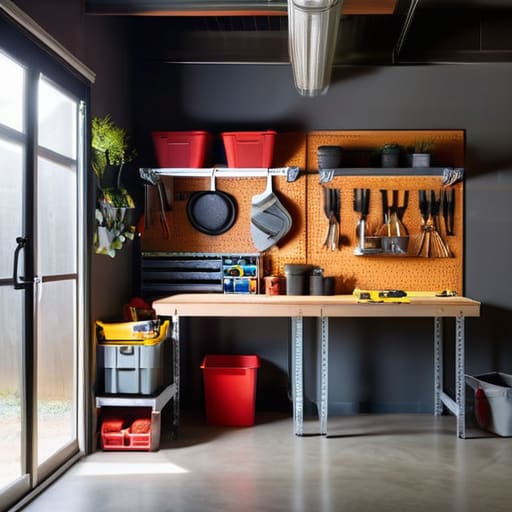
When we’re working with a limited footprint, the secret isn’t just about fitting more in; it’s about elevating what stays. Instead of letting tools and gear sprawl across the floor, I’ve found that looking upward is the ultimate game-changer. By investing in overhead storage racks, you can clear out the visual noise and reclaim that precious floor area for more meaningful uses—perhaps a small potting station or a dedicated space for your latest DIY project.
To keep that sense of coastal calm, I highly recommend leaning into wall mounted storage solutions. Think of your walls as a vertical canvas; using pegboards or sleek slatwalls allows you to display your essentials with intention rather than just stacking them in bins. This approach doesn’t just make maximizing small garage space easier—it turns your tools into a curated part of your environment. When everything has a dedicated, visible home, you move away from the chaos of “stuff” and toward a space that feels truly organized and restorative.
Five Intentional Shifts for a More Sustainable Garage
- Swap out those flimsy plastic bins for reclaimed wooden crates or sturdy, secondhand containers; it adds a touch of rustic charm and keeps unnecessary new plastic out of our landfills.
- Harness the power of verticality by installing wall-mounted pegboards made from sustainable bamboo, allowing your tools to breathe and keeping your floor space clear for movement.
- Create a dedicated “Upcycle Station” in a corner, where you can sort through glass jars, scraps, and oddities—much like my sea glass collection—to give them a second life in future DIY projects.
- Ditch the harsh, energy-hungry overhead lights for smart, LED lighting solutions that mimic natural daylight, creating a workspace that feels bright and energizing without the heavy carbon footprint.
- Implement a “One-In, One-Out” ritual for all your gear; before bringing in a new piece of equipment, ensure an old, unused item is either donated to a local community tool library or responsibly recycled.
Embracing the Intentional Garage: My Three Golden Rules
Shift your mindset from mere “tidying up” to intentional curation, ensuring every item you keep serves a purpose or brings genuine value to your life and home.
Prioritize sustainable organization by opting for repurposed containers and natural materials over new plastic bins, reducing your footprint while adding a touch of eco-chic character to your space.
View your garage not as a graveyard for forgotten clutter, but as a functional extension of your home that supports your lifestyle through mindful, minimalist design.
The Philosophy of Space
“Organizing your garage shouldn’t just be about tidying up clutter; it’s about reclaiming a sanctuary where your tools and treasures coexist with intention, turning a chaotic corner of your home into a space that breathes alongside you.”
Jordan Mitchell
From Chaos to Coastal Calm: Your Journey Starts Now
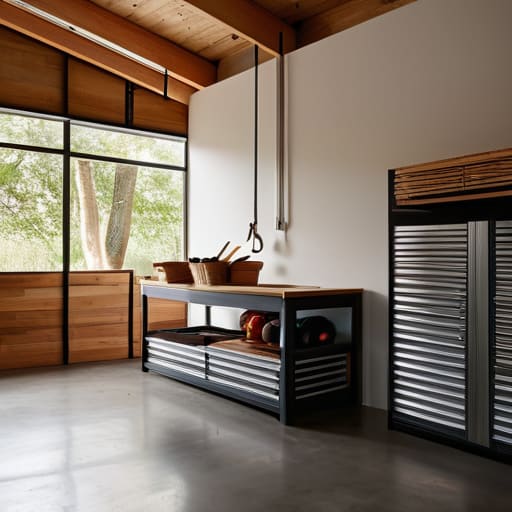
As we’ve explored, transforming your garage from a cluttered catch-all into a functional sanctuary isn’t just about tidying up; it’s about making intentional choices that reflect your values. By following a seasonal decluttering rhythm and embracing minimalist design principles, you’ve moved away from the cycle of mindless consumption and toward a space that actually serves your lifestyle. Remember, whether you are utilizing repurposed containers or prioritizing multi-functional shelving, the goal is to create a system that honors both your home and our planet. You now have the roadmap to turn that overwhelming mountain of boxes into a streamlined, purposeful environment.
At the end of the day, I want you to look at your organized garage and see more than just neat rows of tools or bicycles. See it as a reflection of a larger commitment to a more sustainable, mindful way of living. Just like the sea glass I find on the Maine coast—once something discarded and lost, now something beautiful and refined—your space can undergo a profound transformation through a little bit of patience and a lot of heart. Let this project be your first step toward reclaiming your environment, one small, eco-conscious victory at a time. You’ve got this.
Frequently Asked Questions
How can I transition my current plastic storage bins into more sustainable, long-lasting alternatives without breaking the bank?
I totally get the dilemma—it’s hard to ditch the plastic we already own. Instead of a total overhaul, try a “one-in, one-out” rule. As you empty a plastic bin, replace it with something more soulful, like reclaimed wooden crates or sturdy seagrass baskets. For a budget-friendly win, hunt for vintage metal tins or heavy-duty canvas bags at thrift stores. It’s about slow, intentional transitions that honor both your wallet and the earth.
Are there specific ways to organize my garage that will help protect my tools and gear from coastal humidity or moisture?
Living near the coast, I know exactly how that salty, heavy air can play havoc with your gear. To keep your tools from succumbing to rust, ditch the floor storage—moisture loves to settle there. Instead, opt for elevated, wall-mounted pegboards or heavy-duty shelving. I also swear by airtight, reusable bins for smaller items and tossing a few silica gel packets into your toolboxes. It’s all about creating a dry, intentional sanctuary for your essentials.
I have a lot of old DIY supplies and scraps; how do I decide what’s actually worth keeping for future projects versus what should be recycled or repurposed?
We’ve all been there—staring at a mountain of wood scraps and half-used paint cans, feeling more overwhelmed than inspired. To decide, ask yourself: “Does this spark a specific vision, or am I just hoarding potential?” If a piece of scrap doesn’t fit a project you can actually see in your mind, let it go. Aim for quality over quantity; prioritize versatile materials and recycle the rest to keep your creative space—and the planet—clutter-free.
