
How to Fix a Squeaky Door in Two Minutes
I was sitting in my home office last Tuesday, trying to find a moment of stillness to finish some digital layouts, when that piercing, metallic screech cut right through my focus. It’s funny how we often think that learning how to fix a squeaky door requires a trip to the big-box hardware store for specialized, synthetic chemicals, but that’s usually a myth. In reality, most of those high-tech sprays are packed with aerosols that don’t align with a more intentional way of living. I found myself staring at the hinge, thinking back to the quiet, salt-aired mornings in Maine, realizing that the solution was likely already sitting in my kitchen or workshop.
In this guide, I’m skipping the flashy, non-biodegradable fixes and getting straight to the heart of the matter. I’ll show you how to use simple, eco-friendly household staples to silence those annoying hinges for good. We’re going to explore a few resourceful DIY methods that are as kind to your home environment as they are to your ears. Whether you have a bit of olive oil on hand or a stray bit of beeswax, you’re about to master a small, mindful win that brings a sense of lasting peace back to your living space.
Table of Contents
- Step-by-Step Instructions
- Finding Peace Through Simple Lubricating Door Hinges
- Choosing Your Path Wd 40 vs Silicone Spray for Doors
- Small Wins for a Harmonious Home: My Top 5 Tips for Lasting Silence
- Small Wins for a More Intentional Home
- The Harmony of a Quiet Home
- Finding Stillness in the Small Fixes
- Frequently Asked Questions
Guide Overview
Tools & Supplies
- Screwdriver for tightening loose hinge screws
- Microfiber cloth for wiping away excess lubricant
- Lubricant (WD-40, silicone spray, or lithium grease) 1 can
- Paper towels 1 roll
Step-by-Step Instructions
- 1. First, let’s gather our tools, but let’s keep it eco-friendly. Instead of rushing to the store for a synthetic aerosol spray that might linger in your home’s air, check your pantry for a natural alternative. A small bottle of olive oil, coconut oil, or even a bit of beeswax from a local maker will work beautifully to soothe those metal hinges.
- 2. Next, we need to identify the exact source of the friction. Gently swing the door back and forth until you hear that sharp, piercing sound, and try to pinpoint the specific hinge that’s causing the trouble. Sometimes, it’s just one stubborn joint that needs a little extra love to find its rhythm again.
- 3. If a simple surface application doesn’t do the trick, you might need to go a level deeper by removing the hinge pin. Use a small hammer and a nail—or even a sturdy screwdriver—to lightly tap the pin upward from the bottom of the hinge. It’s a delicate process, much like handling delicate sea glass, so take your time and move with intention.
- 4. Once the pin is out, give it a good clean. Use a soft cloth to wipe away any old, gritty residue or dust that might be acting like sandpaper inside your hardware. This step is crucial because we want to ensure we aren’t just trapping debris inside the mechanism, which would only lead to more friction down the road.
- 5. Now comes the most satisfying part: applying your natural lubricant. If you’re using oil, dip a cotton swab into it and coat the pin thoroughly from top to bottom. If you prefer using beeswax, you can rub the warm wax directly onto the pin until it’s evenly coated and smooth.
- 6. Slide the pin back into the hinge carefully, making sure it sits flush with the hardware. Once it’s in place, swing the door open and closed several times to help the oil or wax work its way deep into the joints. You’ll likely feel the resistance melt away, replaced by a smooth, silent motion that feels much more harmonious.
- 7. Finally, take a clean cloth and wipe away any excess oil that might have dripped onto the door or the frame. We want to keep our living spaces tidy and prevent any accidental staining. Once the excess is gone, take a moment to appreciate the sudden stillness of your room—it’s amazing how much a tiny bit of maintenance can shift the energy of a space.
Finding Peace Through Simple Lubricating Door Hinges
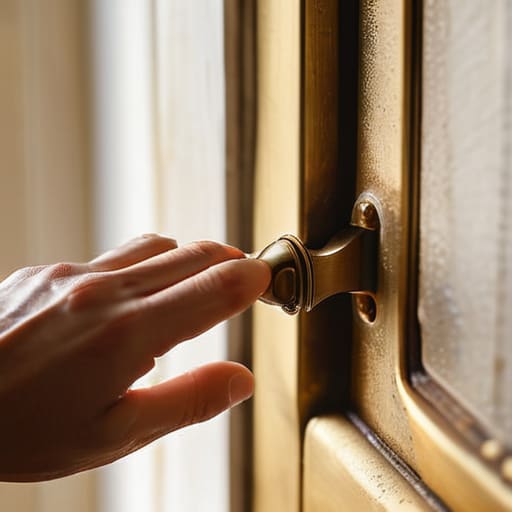
There is something deeply restorative about a home that breathes in silence. When we neglect small tasks like door hinge pin maintenance, those sharp, metallic protests can disrupt the calm we work so hard to cultivate in our living spaces. For me, a squeaky door isn’t just a mechanical nuisance; it’s a tiny disruption to the mindful atmosphere I strive to maintain. Taking a few minutes to address these sounds is a way of honoring the sanctuary you’ve built, ensuring your environment remains a place of true repose.
If you are looking for eco-friendly solutions, you might find yourself wondering about WD-40 vs silicone spray for doors. While the former is a classic, I often lean toward natural alternatives or specialized silicone sprays that offer longer-lasting protection without the harsh, lingering scent. You can even explore creative household items to stop door squeaks, such as a bit of olive oil or even a bar of soap in a pinch. These small acts of fixing noisy door hinges are more than just chores; they are opportunities to practice intentionality, proving that even the smallest adjustments can restore a sense of harmony to your daily life.
Choosing Your Path Wd 40 vs Silicone Spray for Doors

When you’re standing there with a squeak echoing through your hallway, the first question is usually: what do I actually grab from the utility closet? It’s a classic debate of WD-40 vs silicone spray for doors, and honestly, the answer depends on the “vibe” of your hardware. WD-40 is a fantastic, quick-acting penetrant that’s perfect for breaking up old, gummy residue or rust that might be clinging to your hinges. It’s like a deep clean for your metalwork, clearing the path so things can move freely again.
However, if you’re looking for something that lingers, silicone spray is your best friend for long-term door hinge pin maintenance. Unlike standard lubricants that can attract dust and grime over time, silicone creates a slick, protective barrier that stays put. If you’re working on high-traffic doors, I always lean toward the silicone; it’s a more intentional choice that keeps the silence lasting much longer. Think of it as investing a little extra effort now to avoid the same chore next month. Whether you choose a quick spray or a more thorough application, you’re performing essential door hardware maintenance tips that keep your home feeling harmonious.
Small Wins for a Harmonious Home: My Top 5 Tips for Lasting Silence
- Go beyond the quick fix by cleaning the hinge first; wiping away old, gritty dust with a soft cloth ensures your new lubricant can actually reach the metal, rather than just sitting on top of the grime.
- Embrace the power of pantry staples if you’re in a pinch; a tiny bit of olive oil or even a dab of beeswax can work wonders in a moment of need, echoing that resourceful, DIY spirit I love so much.
- Less is truly more when it comes to application; instead of a heavy spray that might drip onto your floor, use a precision applicator or a cotton swab to target the pin directly, keeping your space clean and intentional.
- Don’t forget the “deep breath” method—sometimes a squeak is actually a loose screw, so take a moment to tighten the hardware before you even reach for the lubricant to ensure the door is truly settled.
- Make it a ritual of mindfulness; instead of viewing a squeaky door as a nuisance, treat the maintenance as a small act of stewardship for your home, turning a chore into a moment of quiet, restorative care.
Small Wins for a More Intentional Home
Think of fixing a squeak not as a chore, but as a mindful way to restore harmony and quietude to your living sanctuary.
Choose your tools with purpose, opting for silicone spray or natural alternatives whenever possible to keep your indoor environment as clean as the Maine coast.
Remember that these tiny, resourceful repairs are part of a larger journey toward a more sustainable, low-waste lifestyle where we mend rather than replace.
The Harmony of a Quiet Home
“Mending a squeaky door is about more than just silence; it’s about restoring the intentional flow of your home, proving that even the smallest mechanical friction can be smoothed away with a little bit of care and the right mindful touch.”
Jordan Mitchell
Finding Stillness in the Small Fixes
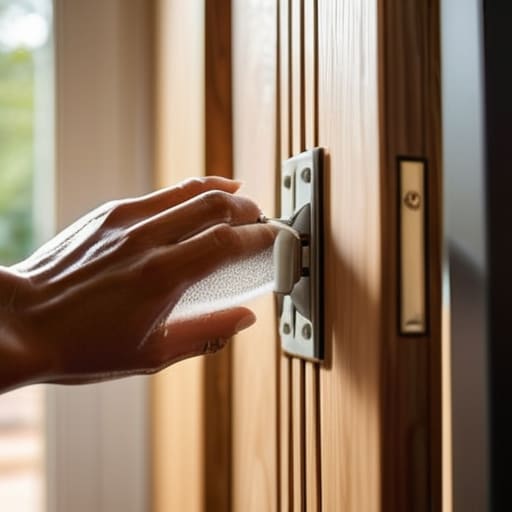
Taking a moment to silence that persistent squeak is about more than just home maintenance; it’s about reclaiming the harmony of your living space. Whether you decided to go the route of a quick silicone spray for a long-lasting, clean finish or opted for a more traditional lubricant to soothe those metal joints, you’ve successfully navigated a common household hurdle with intentionality. By choosing the right tool for the job—and perhaps even opting for a more eco-friendly, biodegradable lubricant—you’ve ensured that your fix is as gentle on the planet as it is on your ears. It’s a simple process, but mastering these little repairs is a vital part of living more resourcefully and taking ownership of the environment you inhabit every single day.
As I sit here reflecting on the quiet rhythm of a well-maintained home, I’m reminded of how much beauty exists in the details. Just as I find joy in the smooth, frosted edges of a piece of sea glass I’ve found on the shore, there is a profound sense of satisfaction in mending what is broken rather than replacing it. These small, mindful victories ripple outward, teaching us to value what we already own and to approach our surroundings with a sense of stewardship and grace. Let this little project be a stepping stone toward a more sustainable lifestyle—one where every small action, no matter how minor, contributes to a much larger, more peaceful world.
Frequently Asked Questions
Are there any natural or eco-friendly alternatives to synthetic sprays if I want to avoid chemicals in my home?
Absolutely. If you’re looking to keep your indoor air as pure as a Maine morning, you don’t need harsh synthetics. A simple bit of olive oil or even a natural beeswax rub can work wonders on those stubborn hinges. I often lean toward coconut oil for its versatility—it’s effective and biodegradable. It’s these little, mindful swaps that keep our homes feeling grounded and our environmental footprint just a little bit lighter.
How often should I actually be maintaining my door hinges to prevent that annoying noise from coming back?
Think of hinge maintenance like tending to a garden; it’s better to be proactive than to wait for the weeds to take over. I usually recommend a quick check every six months. If you live in a coastal area where salt air can accelerate wear, or if your doors see heavy daily use, maybe aim for quarterly. A little preventative care keeps your home’s rhythm smooth and prevents that jarring friction from returning.
If I've already tried lubricating the hinges and the squeak persists, does that mean the door itself is misaligned?
It’s frustrating when that persistent squeak refuses to budge, isn’t it? If lubrication didn’t do the trick, there’s a good chance your door is slightly misaligned. Much like how a shifting coastline changes the landscape, a settling house can cause doors to hang unevenly, putting undue pressure on the hinges. Before you dive into heavy repairs, check if the door is rubbing against the frame—it might just need a gentle adjustment to find its balance again.
