Simple Ways to Make Your Home More Eco-friendly
I remember sitting in my tiny apartment after graduation, staring at a shelf full of “green” cleaning products that cost three times as much as the standard stuff, yet promised nothing more than a fancy label and a recycled bottle. It felt like a scam—this idea that being sustainable required a massive budget or a complete lifestyle overhaul overnight. We’ve been sold this myth that eco friendly home tips have to be expensive, aesthetic, and incredibly complicated to actually matter. But honestly? Most of that high-end “eco-chic” marketing is just noise designed to make you feel like you aren’t doing enough unless you’re buying something new.
I’m not here to sell you a lifestyle you can’t afford or a set of rigid rules that feel more like a chore than a choice. Instead, I want to share the practical, soulful shifts I’ve learned through years of consulting and my own trial and error. We’re going to skip the hype and focus on meaningful, low-impact changes that actually fit into a modern, busy life. Think of this as a toolkit for transforming your space into a sanctuary that respects the planet without sacrificing your sanity or your savings.
Table of Contents
- Sustainable Interior Design Merging Style With Substance
- Low Impact Lifestyle Habits for a Greener Daily Rhythm
- Small Shifts, Big Ripples: 5 Ways to Infuse Sustainability into Your Space
- Making Sustainability Stick: My Three Golden Rules
- The Heart of a Sustainable Home
- Bringing It All Home
- Frequently Asked Questions
Sustainable Interior Design Merging Style With Substance
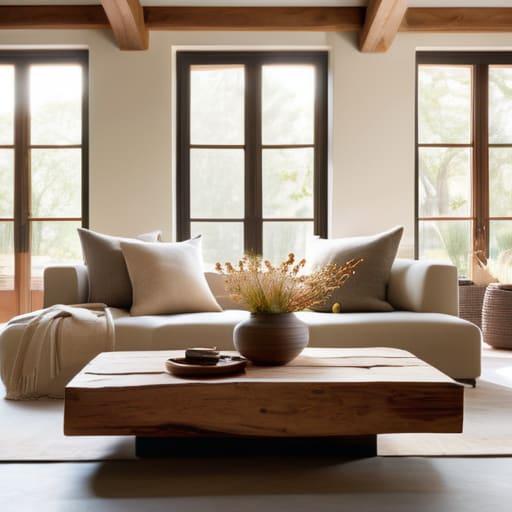
When we talk about decorating, there’s this lingering misconception that going green means sacrificing that polished, modern aesthetic. I used to think that too, until I realized that sustainable interior design is actually about curation rather than just consumption. Instead of chasing every fleeting trend, think about bringing in pieces that have a story—maybe a reclaimed wood coffee table or a vintage linen throw that feels as good as it looks. It’s about choosing quality over quantity, ensuring that every item in your sanctuary serves a purpose and lasts for years rather than months.
Beyond the aesthetics, we can make much deeper impacts through subtle, intentional shifts. I’m a huge advocate for integrating energy efficient home improvements into your decor, like swapping out old lighting for warm, LED alternatives or choosing heavy, natural fiber curtains to help regulate temperature naturally. It’s these small, thoughtful layers that allow us to reduce our household carbon footprint without losing that sense of warmth and personality that makes a house feel like a home. After all, true style should never come at the expense of the planet.
Low Impact Lifestyle Habits for a Greener Daily Rhythm
Beyond the aesthetics of your living space, the true magic happens in the quiet, repetitive rhythms of our daily routines. It’s easy to feel overwhelmed by the scale of environmental issues, but I’ve found that adopting low impact lifestyle habits is less about perfection and more about intentionality. Think about your morning ritual: could that single-use coffee pod be replaced by a French press or a reusable pour-over? Small shifts like this, when woven into the fabric of your day, begin to reduce your household carbon footprint without requiring a total life overhaul.
I also love finding ways to make our chores feel a little more soulful. Instead of reaching for those harsh, synthetic sprays, try experimenting with eco friendly cleaning products made from simple, plant-based ingredients like white vinegar and essential oils. It’s a win for your indoor air quality and a win for our waterways. Transitioning toward zero waste living at home doesn’t have to be a radical departure from your lifestyle; it’s simply about choosing items that have a story and a purpose, ensuring our daily habits reflect the respect we have for the natural world.
Small Shifts, Big Ripples: 5 Ways to Infuse Sustainability into Your Space
- Rethink Your Energy Rhythm: Instead of letting your appliances run on autopilot, try getting intentional with your power usage. Swapping out old bulbs for warm LEDs and unplugging those “vampire” electronics when they aren’t in use might seem small, but it’s a beautiful way to honor our energy resources.
- Cultivate a Zero-Waste Kitchen Sanctuary: Let’s move away from that reliance on single-use plastics that clutter our lives and our oceans. Embracing beeswax wraps, glass jars for bulk shopping, and compostable scraps turns your kitchen from a waste generator into a mindful ecosystem.
- Harness the Power of Natural Cleaning: There’s something so grounding about using ingredients you can actually pronounce. By swapping harsh, synthetic chemicals for simple staples like white vinegar, baking soda, and essential oils, you’re creating a healthier home environment without the toxic footprint.
- Curate with Conscious Water Stewardship: Water is our most precious resource, and we can honor it right at the tap. Installing low-flow aerators or simply being mindful of how long we let the water run during our morning rituals can save gallons every single day.
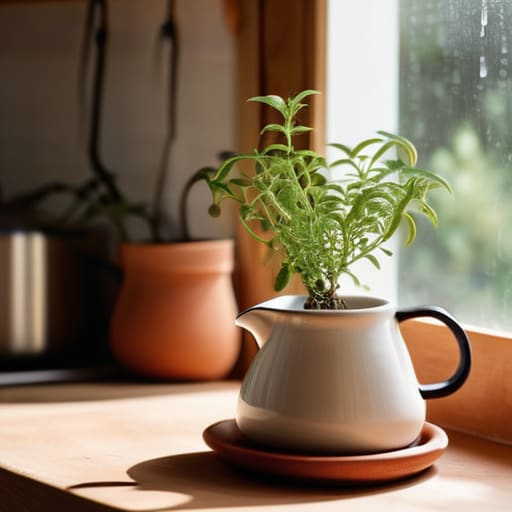
- Bring the Outdoors In with Mindful Gardening: Whether it’s a windowsill herb garden or a small balcony patch, growing your own food connects you to the earth’s cycles. It reduces your food miles and brings a touch of that Maine coastal vitality directly into your living room.
Making Sustainability Stick: My Three Golden Rules
Focus on the “Slow Swap”—don’t feel pressured to overhaul your entire home overnight; instead, replace one plastic or wasteful item with a soulful, durable alternative whenever the old one reaches its end.
Prioritize quality over quantity by investing in pieces that tell a story, whether it’s a thrifted vintage find or a locally made artisanal tool, ensuring your home reflects both your values and your unique style.
View every small, intentional choice as a personal victory for the planet, remembering that consistency in our daily rhythms matters far more than achieving a state of perfect, zero-waste perfection.
The Heart of a Sustainable Home
“Creating an eco-friendly home isn’t about achieving some unattainable standard of perfection; it’s about curating a space that breathes with intention, where every mindful choice—from the materials we touch to the habits we hold—becomes a beautiful, lasting tribute to the planet we call home.”
Jordan Mitchell
Bringing It All Home
As we’ve explored together, creating an eco-friendly sanctuary isn’t about achieving some impossible standard of perfection overnight. It’s about the intentional choices we make, from the way we curate our living spaces with sustainable, soulful materials to the subtle shifts in our daily rhythms that reduce our overall footprint. Whether you are rethinking your interior design to favor longevity or simply swapping out a few single-use items for more mindful alternatives, every decision acts as a building block. By merging style with substance, you aren’t just decorating a house; you are cultivating a lifestyle that honors both your personal aesthetic and the planet we call home.
At the end of the day, I want you to remember that sustainability is a journey, not a destination. Just like the sea glass I find on the Maine coast—pieces that have been weathered and tumbled by the ocean until they become something beautiful and unique—our small, imperfect efforts eventually coalesce into something truly transformative. Don’t feel overwhelmed by the big picture; instead, find joy in the micro-wins. Every time you choose a greener path, you are casting a vote for the kind of world you want to live in. Let’s keep moving forward, one meaningful, intentional step at a time.
Frequently Asked Questions
How can I transition to an eco-friendly home without breaking the bank or feeling overwhelmed by the cost of "green" products?
Honestly, the biggest misconception is that going green requires a massive bank account. It’s actually about unlearning the urge to constantly buy new things. Start by auditing what you already own—repurposing a glass jar or mending a favorite linen shirt is infinitely more sustainable (and cheaper!) than buying a “luxury” eco-brand. Focus on one small, intentional swap at a time. Think of it as a slow, soulful transition rather than an overnight overhaul.
Are there specific materials or certifications I should look for to ensure my furniture and decor are truly sustainable and not just greenwashed?
It’s so easy to get lost in the “greenwashed” fog, isn’t it? To cut through the noise, I always look for the heavy hitters: FSC-certified wood ensures your pieces aren’t contributing to deforestation, while OEKO-TEX or GOTS certifications mean your textiles are free from nasty chemicals. If you’re eyeing rugs or upholstery, look for regenerative fibers like organic hemp or jute. It’s about looking past the pretty green packaging and finding the real, certified substance underneath.
How do I balance a modern, stylish aesthetic with the more rustic or "reclaimed" look that often comes with sustainable living?
Think of it as a curated conversation between eras. I love blending sleek, modern lines with the soulful imperfections of reclaimed wood or vintage finds. The secret is balance: pair a minimalist, contemporary sofa with a weathered, hand-carved coffee table, or use smooth, clean-lined ceramics against a rustic linen backdrop. It’s about letting each piece breathe. When you mix the polished with the storied, you create a space that feels intentional, not cluttered.
