How to Make Soap at Home: a Beginner’s Guide
I remember standing in my kitchen back in Maine, staring at a mountain of plastic-wrapped, neon-colored detergent bars and feeling a profound sense of disconnect. We’ve been conditioned to believe that eco-friendly living has to be expensive, complicated, or—frankly—a bit boring. But here’s the truth: learning how to make soap isn’t about mastering a complex chemistry experiment; it’s about reclaiming control over what touches your skin and what enters our waterways. It’s about turning a mundane household chore into a mindful ritual that honors the planet.
In this guide, I’m stripping away the intimidating jargon and the high-priced “boutique” gatekeeping to give you the real, no-nonsense basics. I’ll walk you through a streamlined process that focuses on sustainable sourcing and simple, beautiful aesthetics—think textures reminiscent of the tumbled sea glass I find on my morning beach walks. You won’t find any fluff here, just practical, actionable steps to help you craft small-batch bars that are as kind to the earth as they are to your soul. Let’s get started.
Table of Contents
- Step-by-Step Instructions
- Mastering the Cold Process Soap Making Method Sustainably
- Sourcing Natural Soap Ingredients for Skin and Soul
- Small Shifts for a Big Impact: My Top 5 Tips for Mindful Soap Making
- Small Steps, Big Waves: My Final Thoughts on Your Soap-Making Journey
- The Heart of the Craft
- Crafting a Legacy of Care
- Frequently Asked Questions
Guide Overview
Tools & Supplies
- Digital scale for precise measurements
- Stick blender for emulsifying oils and lye
- Heat-resistant glass beaker for lye solution
- Silicone molds for easy soap removal
- Coconut oil (approx. 500g)
- Olive oil (approx. 500g)
- Sodium hydroxide/Lye (approx. 140g)
- Distilled water (approx. 330g)
Step-by-Step Instructions
- 1. First things first, let’s talk safety, because even though we’re creating something beautiful, we’re working with lye, which is no joke. Grab your safety goggles, long sleeves, and some sturdy gloves; we want to stay completely protected while we work our magic. Set up your workspace in a well-ventilated area—maybe near an open window—and make sure you have a digital scale ready, because in soap making, precision is everything.
- 2. Once you’re geared up, it’s time to weigh out your oils and fats. I love using a blend of coconut oil for that lovely lather and olive oil for a bit of moisturizing goodness, much like the nourishing qualities of the Maine coastline. Carefully weigh your oils into a heat-proof glass container, and then, in a separate vessel, weigh your distilled water and lye. Remember the golden rule: always add the lye to the water, never the other way around, to avoid any unexpected splashes.
- 3. Now, we’re going to gently heat our oils until they are just warm to the touch, while simultaneously warming our lye-water solution. You want both liquids to be around the same temperature—ideally between 90°F and 110°F—to ensure a smooth, seamless emulsion. This little bit of patience ensures that your ingredients play nice together from the very start.
- 4. This is where the real transformation happens: slowly pour your lye-water into your oils. Grab your immersion blender and start pulsing it gently. You’ll see the mixture begin to thicken and change texture; we’re looking for what we call “trace,” which is when the mixture reaches a consistency similar to pudding. Once it holds a light mark on the surface when you drizzle it, you’re ready for the creative part.
- 5. Now, let’s infuse our soap with some soul. This is the perfect moment to stir in your essential oils—I’m a huge fan of cedarwood or lavender for that grounding, earthy vibe—and perhaps some natural clays for color. If you want to channel my obsession, you can even add a bit of dried botanical matter to mimic the ethereal textures of sea glass. Mix it in thoroughly with a spatula until the color is even.
- 6. Pour your fragrant, creamy mixture into your silicone molds, tapping them firmly on the counter to release any trapped air bubbles. Cover the molds with a piece of parchment paper and a towel to help insulate the heat as the soap undergoes its chemical journey. Now comes the hardest part for someone like me: the waiting game. Let your bars sit undisturbed for about 24 to 48 hours.
- 7. Once the soap is firm to the touch, pop it out of the molds and slice it into your desired bar shapes. But don’t go using them just yet! You need to let your new eco-treasures “cure” in a cool, dry place for about four to six weeks. This allows the water to evaporate, resulting in a harder, longer-lasting bar that’s incredibly gentle on your skin and the planet.
Mastering the Cold Process Soap Making Method Sustainably
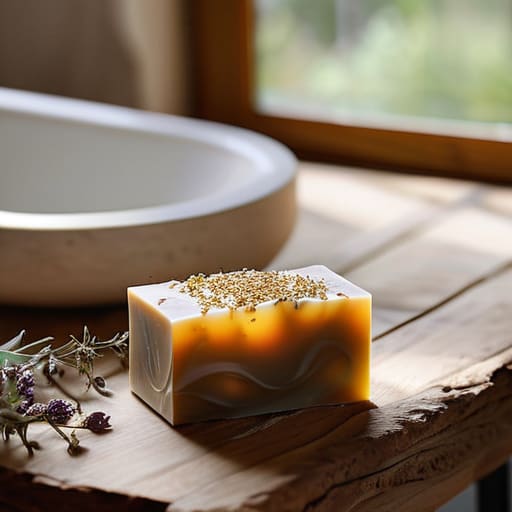
Now, if you’re looking to truly elevate your craft, I highly recommend leaning into the cold process soap making method. Unlike quicker alternatives, this approach gives you complete creative control over every single element of your bar. It’s a bit more of a slow-living ritual, requiring patience as the soap cures, but the result is a luxurious, artisanal product that feels far more intentional. To ensure your bars are as nourishing as they are beautiful, I always suggest using a reliable lye and oils ratio calculator before you even touch a single ingredient. This precision is what transforms a simple DIY project into a professional-grade sustainable staple.
Safety is also paramount when you’re working with these raw elements. Please, don’t skip out on your soap making safety equipment—think goggles and gloves—because we want this to be a meditative experience, not a hazardous one! Once you’ve mastered the chemistry, you can start playing with scents. I love experimenting with essential oils for natural soap to create botanical aromas that remind me of the Maine coastline. It’s all about finding that perfect, soulful balance between science and nature.
Sourcing Natural Soap Ingredients for Skin and Soul
When you’re standing in your kitchen, surrounded by raw materials, it’s easy to forget that what we put on our bodies is just as important as what we put in them. To truly honor the spirit of sustainability, I always suggest looking beyond the standard grocery store aisles. Instead, try to seek out local, organic fats like coconut or olive oils, which often come with a much smaller carbon footprint. When selecting your natural soap ingredients for skin, think about the story behind the source. Is the shea butter fair-trade? Is the honey from a local apiary? Choosing ingredients that support ethical ecosystems turns a simple hobby into a profound act of stewardship.
The magic really happens when you layer in the aromatics. I’m a huge advocate for using pure essential oils for natural soap rather than synthetic fragrances, which can be harsh on both your skin and the environment. There is something incredibly grounding about the scent of cedarwood or lavender—it’s like bringing a piece of the Maine woods right into your bathroom. Just remember to approach these potent extracts with respect; they are powerful gifts from nature that require a mindful and intentional touch.
Small Shifts for a Big Impact: My Top 5 Tips for Mindful Soap Making
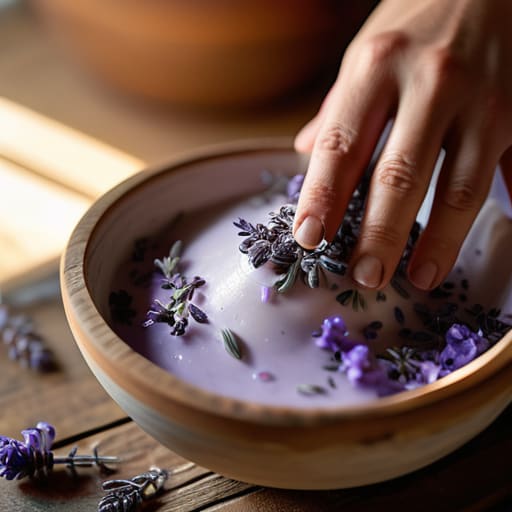
- Embrace the “Zero-Waste” Mindset: Before you start, take a look at your pantry. Instead of buying new containers, repurpose old glass jars for your lye-water or oils. It’s a small way to honor the circularity of nature right in your own kitchen.
- Prioritize Ethical Sourcing: When selecting your oils, look for RSPO-certified sustainable palm oil or, even better, skip it entirely in favor of local olive or coconut oils. Knowing your ingredients haven’t contributed to deforestation makes every bubble feel a little cleaner.
- Let Nature Do the Coloring: Skip those synthetic, neon dyes that can be harsh on the water supply. I love using botanical powders—like turmeric for a golden glow or spirulina for a soft sea-foam green—to give my bars that beautiful, earth-toned aesthetic.
- Master the Art of Patience: Soap making isn’t a race; it’s a ritual. Resist the urge to rush the curing process. Giving your bars a full four to six weeks in a well-ventilated space ensures a harder, longer-lasting bar that won’t melt away in your shower.
- Safety First, Always: Working with lye requires respect. Think of it like navigating a rocky coastline—you need to be prepared and cautious. Always wear your gear, work in a well-ventilated area, and keep a little mindfulness in your movements to ensure your creative process stays joyful and safe.
Small Steps, Big Waves: My Final Thoughts on Your Soap-Making Journey
Remember that sustainability isn’t about perfection; it’s about the intentionality behind your ingredients and the mindfulness you bring to your kitchen sanctuary.
Embrace the beauty of the process—whether it’s the unpredictable swirls of a cold process batch or the way a natural scent fills your home—and let your creativity flow as freely as the tide.
View every bar of soap you craft not just as a practical tool, but as a small, tangible victory for the planet and a beautiful way to honor the natural world that sustains us.
The Heart of the Craft
“Making your own soap isn’t just about avoiding harsh chemicals; it’s a quiet, rhythmic ritual of reclaiming your connection to the earth, turning simple, raw ingredients into something beautiful, functional, and entirely your own.”
Jordan Mitchell
Crafting a Legacy of Care
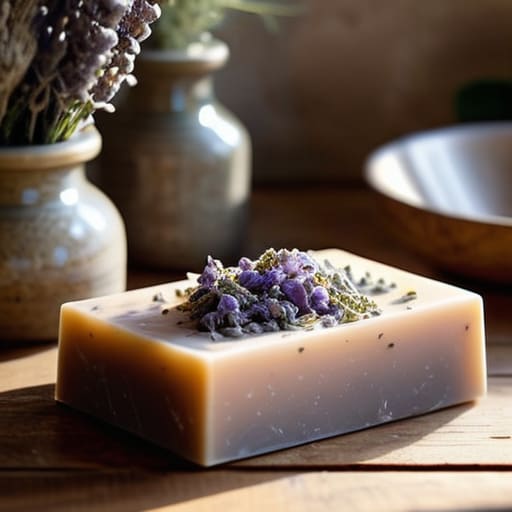
As we wrap up our journey into the art of soap making, I hope you feel more confident stepping into your own eco-sanctuary. We’ve covered everything from mastering the patience required for the cold process method to the mindful art of sourcing ingredients that truly honor both your skin and our planet. Remember, it’s not just about the final, beautiful bar of soap sitting on your windowsill; it’s about the intentional choices you made during the process. By selecting sustainable oils and avoiding harsh synthetics, you have effectively reduced your footprint and reclaimed a piece of your daily ritual from the cycle of mass production.
Ultimately, this isn’t just a hobby—it’s a small, beautiful rebellion against a disposable culture. Every time you lather up with a bar you crafted yourself, you are celebrating the connection between human creativity and the natural world. Whether your soap looks like a polished piece of Maine sea glass or a simple, rustic block, it carries the weight of your values. Let these small, everyday victories fuel your passion for a greener lifestyle. Keep experimenting, keep creating, and never forget that small actions ripple outward to create waves of profound, lasting change.
Frequently Asked Questions
How can I ensure my DIY soap recipes are safe for my skin without using synthetic fragrances or harsh stabilizers?
To keep your skin happy and the planet even happier, I always lean into the magic of pure essential oils for scent—think calming lavender or bright citrus. For stability, skip the synthetic stabilizers and let nature do the heavy lifting; a little extra coconut oil or shea butter can provide that creamy, luxurious lather we crave. It’s all about trusting the botanical wisdom of the earth to nourish your skin without the chemical baggage.
What are some effective ways to package my handmade soaps so they stay plastic-free and eco-friendly?
Wrapping up your soap creations shouldn’t feel like adding more waste to the world. I love using recycled kraft paper or even scraps of old linen to give each bar a rustic, sea-glass-inspired aesthetic. For a touch of elegance, try tying them with hemp twine and a sprig of dried lavender. It’s a small, intentional detail that keeps things plastic-free while turning your beautiful soap into a truly thoughtful, earth-friendly gift.
If I’m working with small spaces, how can I manage the cleanup and safety aspects of soap making without creating a mess?
Living in an urban space means every square inch counts, so I’ve learned to treat my kitchen like a mini-lab. The secret? A “clean-as-you-go” ritual. Keep a dedicated silicone mat down to protect your counters and use stainless steel bowls—they’re easy to rinse and easy to store. Most importantly, always work in a well-ventilated area and keep your safety gear, like goggles and gloves, right at arm’s reach. Small footprint, big impact!
